galka
Also known as:
Loading...
Also known as:
Per 100g
Nutrition data source: USDA FoodData Central
Yes, galka is a very healthy vegetable. It's low in calories and fat, while being rich in antioxidants and anti-inflammatory compounds like monoterpenes. It also traditionally aids digestion and may offer mood-enhancing benefits.
Galka is a low-calorie vegetable, providing only 19 calories per 100g. It contains 0.9g of protein, 3.6g of carbohydrates, and a negligible 0.1g of fat. It's also a good source of various micronutrients and beneficial plant compounds.
Yes, galka has been traditionally used to aid digestion. It may help relieve issues like indigestion and bloating due to its natural compounds. Incorporating it into your diet can support overall digestive health.
With 3.6g of carbohydrates per 100g, galka is relatively low in carbs, making it suitable for many low-carb diets. For a strict keto diet, it can be consumed in moderation as part of your daily carb allowance.
Yes, as a natural vegetable, galka is inherently vegan and gluten-free. It's a great choice for individuals following plant-based diets or those with gluten sensitivities.
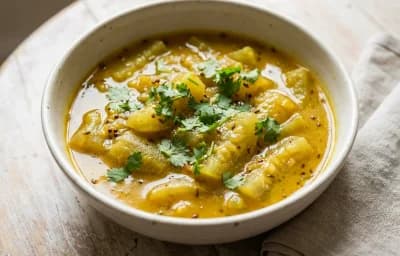
Galka can be cooked in various ways. It can be stir-fried, added to curries, soups, or stews. It's often sautéed with other vegetables and spices until tender, or boiled and mashed.
Galka typically has a mild, slightly bitter taste, often described as earthy or subtly peppery. Its flavor can vary slightly depending on its ripeness and how it's prepared, often mellowing when cooked.
galka is a versatile ingredient found in cuisines around the world. With 19 calories per 100g and 0.9 grams of protein, it's a nutritious addition to many dishes.
Explore more ingredients in the vegetable category with complete nutrition information.
View all vegetable →Store fresh galka in the crisper drawer of your refrigerator. Place it in a perforated plastic bag or wrapped in a paper towel to maintain freshness and prevent moisture buildup. It typically lasts for about 5-7 days.
Look for galka that is firm to the touch, with a vibrant color and no soft spots or blemishes. Avoid any that appear shriveled, discolored, or have a strong, unpleasant odor.
While galka is typically cooked to enhance its flavor and texture, some varieties or young galka might be consumed raw in salads or as a garnish. However, cooking often helps to reduce any bitterness and improve digestibility.