Other3 recipes
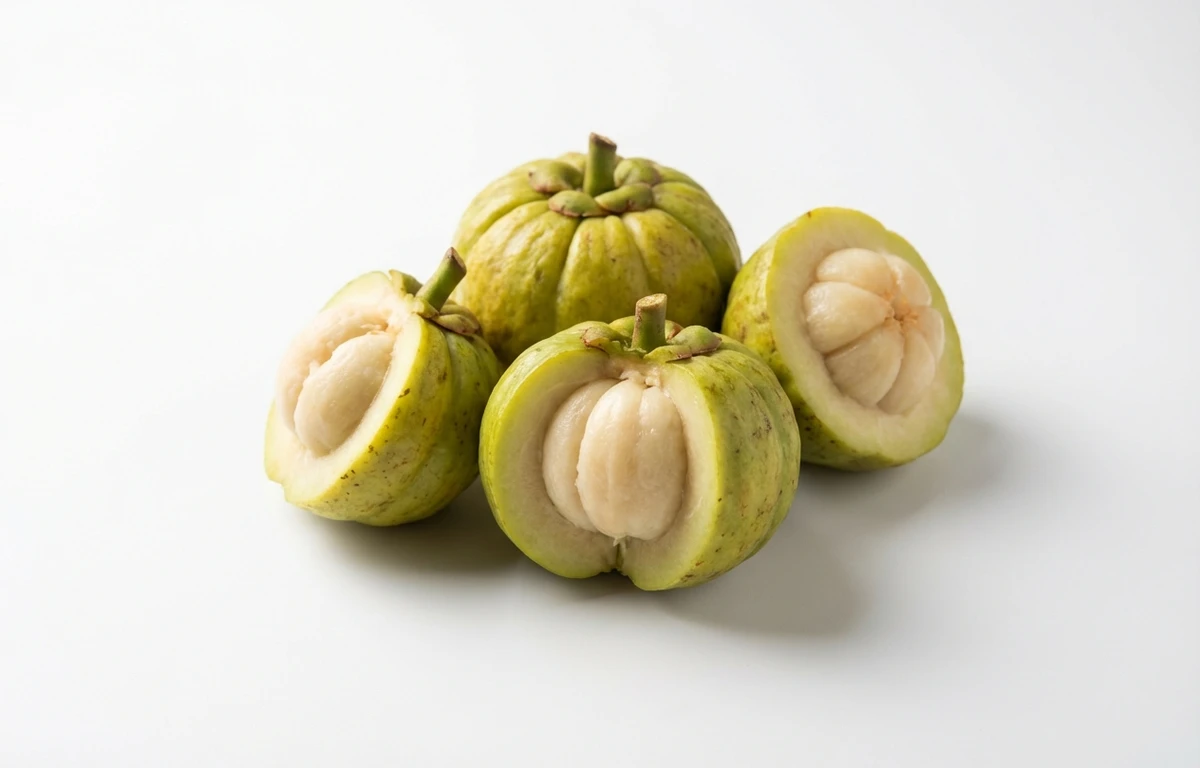
garcinia pedunculata.
VegetarianVeganGluten-freeDairy-freeNut-freePeanut-freeSoy-freeEgg-freeShellfish-freeHoney-freeAlcohol-free
ALSO KNOWN AS
thekerathekara
SERVING
CALORIES
55
PROTEIN
0.60g
CARBS
13.5g
FAT
0.20g
FIBER
2.5g
This ingredient is flagged as naturally gluten-free. Per 100 g, it provides 2.0 µg of vitamin K.
NUTRITION PROFILE · per 100 g
Everything in this ingredient.
MACRONUTRIENTS
Calories55kcal—
Protein0.60g1%
Carbohydrates13.5g5%
Fiber2.5g9%
Sugar8.0g16%
Total fat0.20g0%
Saturated fat0.02g0%
Trans fat0g—
Cholesterol0mg0%
Water82g—
MINERALS
Sodium5.0mg0%
Potassium160mg3%
Calcium45mg3%
Iron1.2mg7%
Magnesium20mg5%
Phosphorus18mg1%
Zinc0.10mg1%
Copper0.05mg6%
Manganese0.10mg4%
Selenium0.20µg0%
VITAMINS
Vitamin A15µg2%
Vitamin C48mg53%
Vitamin D0µg0%
Vitamin E0.30mg2%
Vitamin K2.0µg2%
Thiamin (B1)0.03mg3%
Riboflavin (B2)0.02mg2%
Niacin (B3)0.30mg2%
Pantothenic acid (B5)0.10mg2%
Vitamin B60.05mg3%
Folate (B9)12µg3%
Vitamin B120µg0%
%DV based on a 2,000 cal diet. Source: USDA FoodData Central. A dash in the %DV column means there’s no established Daily Value for that nutrient.
MEASUREMENT CONVERSIONS
How much is what.
1 cup196g
1 tablespoon12.3g
1 teaspoon4.1g
1 ml0.8g
1 liter816.7g
1 piece150g
COOKING TIPS
In the kitchen.
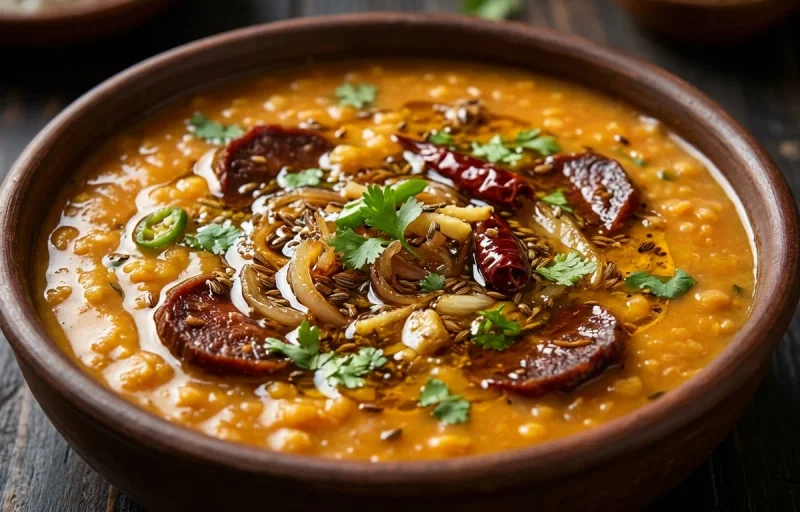
- 1Use as a souring agent in Assamese and other Northeast Indian cuisines, particularly in lentil soups (dal) and fish curries (masor tenga).
- 2A small slice is usually sufficient to impart a tangy flavor to a large pot of curry or dal.
- 3Soak the dried slices in warm water for about 15-20 minutes before use to soften them. The soaking water can also be added to the dish for extra flavor.
- 4It can be used to make a tangy, refreshing drink by steeping the slices in water with a pinch of salt or sugar.
STORAGE
Keep it fresh.
- Store dried slices of garcinia pedunculata in an airtight container in a cool, dark, and dry place. They can last for over a year.
- If you have fresh fruit, it is highly perishable and should be used quickly or sliced and sun-dried for long-term preservation.
FAQ
Frequently asked questions.
What are the nutritional values of garcinia pedunculata?
Per 100g, garcinia pedunculata contains approximately 55 calories, 0.6g protein, 13.5g carbohydrates, and 0.2g fat. It's a low-fat fruit, providing a good source of energy primarily from carbohydrates.
Is garcinia pedunculata suitable for a vegan or vegetarian diet?
Yes, as a fruit, garcinia pedunculata is naturally suitable for both vegan and vegetarian diets. It is a plant-based ingredient that can be incorporated into various plant-forward meals.
Is garcinia pedunculata keto-friendly or low-carb?
With 13.5g of carbohydrates per 100g, garcinia pedunculata is not considered low-carb or keto-friendly, especially in larger quantities. Individuals on a strict ketogenic diet would need to consume it very sparingly.
How is garcinia pedunculata typically used in cooking?
Garcinia pedunculata is known for its sour taste and is often used as a souring agent in Southeast Asian cuisine, particularly in curries, stews, and chutneys. It can also be used to make refreshing drinks or preserves.
What does garcinia pedunculata taste like?
Garcinia pedunculata has a distinctly sour and tangy taste, often described as tart or acidic. This makes it a popular ingredient for adding a sharp, refreshing flavor to dishes, similar to tamarind or lime.
How should I store garcinia pedunculata?
Fresh garcinia pedunculata should be stored in a cool, dry place or refrigerated to extend its shelf life. If dried, it should be kept in an airtight container away from moisture and direct sunlight.
How do I know if garcinia pedunculata is fresh or ripe?
A fresh garcinia pedunculata fruit should feel firm and have a vibrant color, typically green to yellowish-orange depending on ripeness. Avoid fruits that are soft, bruised, or show signs of mold.
RECIPES
Cook with garcinia pedunculata.
3 recipes · sorted by what’s quick