
Condiment
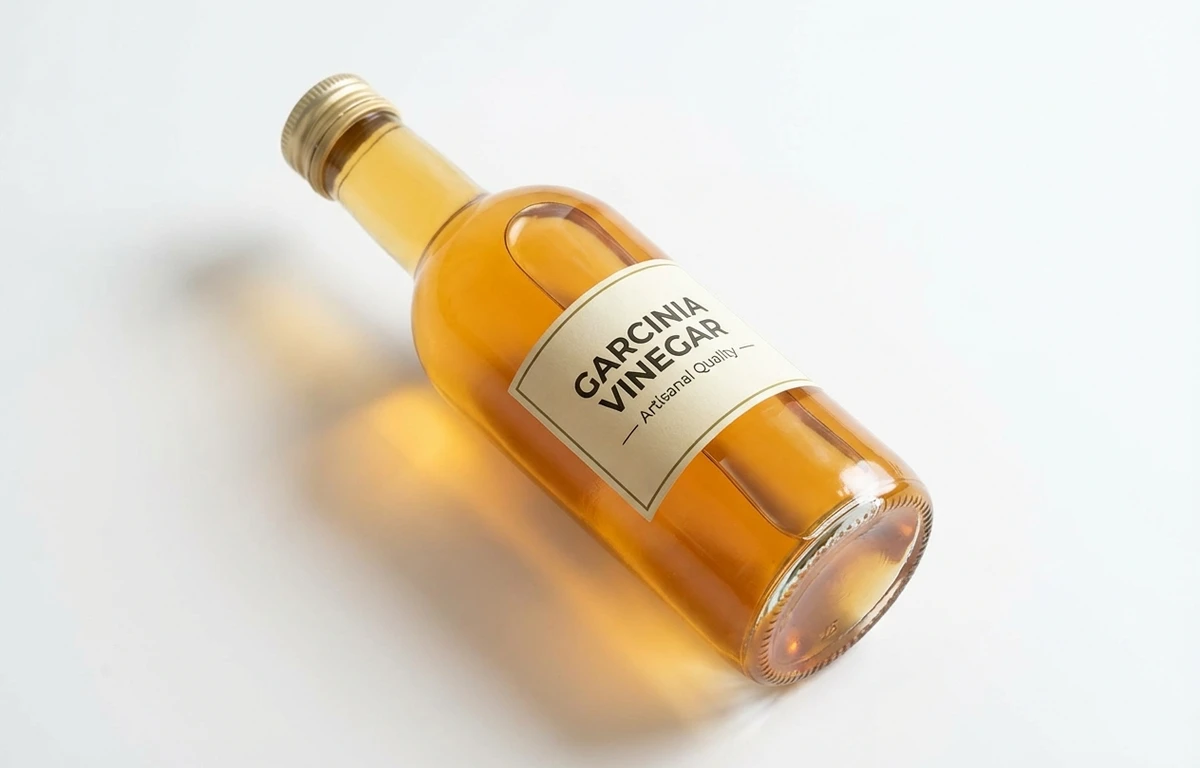
garcinia vinegar.
VegetarianVeganGluten-freeDairy-freeNut-freePeanut-freeSoy-freeEgg-freeShellfish-freeHoney-freeAlcohol-freeFermented
ALSO KNOWN AS
kudampuli vinegarmalabar tamarind vinegar
SERVING
CALORIES
18
PROTEIN
0.10g
CARBS
4.5g
FAT
0g
FIBER
0g
NUTRITION PROFILE · per 100 g
Everything in this ingredient.
MACRONUTRIENTS
Calories18kcal—
Protein0.10g0%
Carbohydrates4.5g2%
Fiber0g0%
Sugar0.50g1%
Total fat0g0%
Saturated fat0g0%
Trans fat0g—
Cholesterol0mg0%
Water94g—
MINERALS
Sodium8.0mg0%
Potassium40mg1%
Calcium10mg1%
Iron0.20mg1%
Magnesium5.0mg1%
Phosphorus4.0mg0%
Zinc0.05mg0%
Copper0.01mg1%
Manganese0.05mg2%
Selenium0.10µg0%
VITAMINS
Vitamin A0µg0%
Vitamin C1.0mg1%
Vitamin D0µg0%
Vitamin E0mg0%
Vitamin K0µg0%
Thiamin (B1)0.01mg1%
Riboflavin (B2)0.01mg1%
Niacin (B3)0.10mg1%
Pantothenic acid (B5)0.05mg1%
Vitamin B60.01mg1%
Folate (B9)0µg0%
Vitamin B120µg0%
%DV based on a 2,000 cal diet. Source: USDA FoodData Central. A dash in the %DV column means there’s no established Daily Value for that nutrient.
MEASUREMENT CONVERSIONS
How much is what.
1 cup242.4g
1 tablespoon15.2g
1 teaspoon5.1g
1 oz28.6g
1 lb453.6g
1 ml1g
1 liter1010g
HEALTH BENEFITS
Why eat it.
- ✓Contains hydroxycitric acid (HCA) which may support weight management
- ✓Acts as a natural digestive aid and improves gut health
- ✓Possesses antioxidant properties that combat oxidative stress
- ✓Helps in regulating blood sugar levels after meals
- ✓Provides a sharp souring agent without the need for citrus or synthetic acids
COOKING TIPS
In the kitchen.
- 1Use as a traditional souring agent in South Indian fish curries
- 2Add a few drops to meat marinades to help break down tough fibers
- 3Start with small quantities as it is more potent and sharp than standard white vinegar
STORAGE
Keep it fresh.
- Store in a cool, dark place away from direct sunlight to prevent oxidation
- Keep the bottle tightly sealed to maintain its acidic profile and prevent evaporation
- While it does not require refrigeration, keeping it in a cool pantry is ideal
FAQ
Frequently asked questions.
How long does garcinia vinegar last?
If stored in a cool, dark place, it can last indefinitely, though it is best used within 2 years for optimal flavor.
Can I freeze garcinia vinegar?
Freezing is not recommended as it can alter the acidity and flavor profile; room temperature storage is sufficient.
What is the best substitute for garcinia vinegar?
Apple cider vinegar or tamarind paste are the closest substitutes, though they lack the specific HCA profile.
Is garcinia vinegar the same as kokum vinegar?
No, garcinia vinegar is typically made from Garcinia cambogia (Malabar tamarind), while kokum vinegar is made from Garcinia indica.
How do I identify high-quality garcinia vinegar?
Look for a deep amber or dark brown color and a strong, fruity, acidic aroma without any chemical smell.
Does it contain the 'mother' like apple cider vinegar?
Some raw, unfiltered versions may contain the 'mother' (beneficial bacteria), which appears as a cloudy sediment.
Is it safe for people with gluten intolerance?
Yes, garcinia vinegar is naturally gluten-free as it is derived from fruit fermentation.
Can it be used in salads?
Yes, it makes an excellent base for vinaigrettes, especially when paired with honey or maple syrup to balance the sharpness.
What are the primary vitamins in garcinia vinegar?
It contains trace amounts of Vitamin C and B-complex vitamins, though it is primarily valued for its organic acids.
Is it used in traditional medicine?
Yes, in Ayurvedic traditions, it is often used to stimulate appetite and improve digestion.



















