
Nut Seed
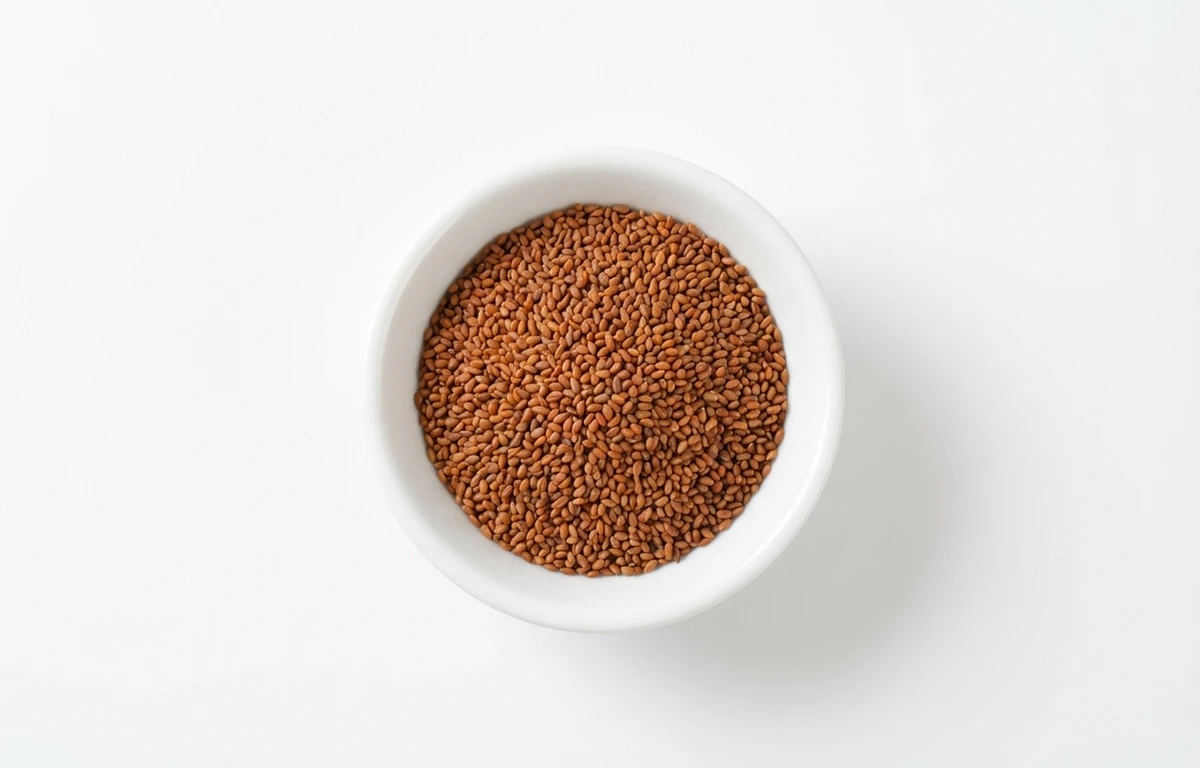
garden cress seeds.
VegetarianVeganGluten-freeDairy-freeNut-freePeanut-freeSoy-freeEgg-freeShellfish-freeHoney-freeAlcohol-free
SERVING
CALORIES
445
PROTEIN
23.4g
CARBS
33.7g
FAT
23.7g
FIBER
8.3g
NUTRITION PROFILE · per 100 g
Everything in this ingredient.
MACRONUTRIENTS
Calories445kcal—
Protein23.4g47%
Carbohydrates33.7g12%
Fiber8.3g30%
Sugar0.91g2%
Total fat23.7g30%
Saturated fat4.1g21%
Trans fat0g—
Cholesterol0mg0%
Water4.6g—
MINERALS
Sodium21.8mg1%
Potassium952mg20%
Calcium318mg24%
Iron17.2mg96%
Magnesium307mg73%
Phosphorus539mg43%
Zinc4.8mg44%
Copper0.51mg57%
Manganese2.9mg125%
Selenium54.4µg99%
VITAMINS
Vitamin A0µg0%
Vitamin C0mg0%
Vitamin D1.9µg10%
Vitamin E0.07mg0%
Vitamin K24.7µg21%
Thiamin (B1)0.52mg43%
Riboflavin (B2)0.15mg12%
Niacin (B3)5.7mg35%
Pantothenic acid (B5)0.28mg6%
Vitamin B60.05mg3%
Biotin (B7)8.7µg29%
Folate (B9)30.9µg8%
%DV based on a 2,000 cal diet. Source: USDA FoodData Central. A dash in the %DV column means there’s no established Daily Value for that nutrient.
MEASUREMENT CONVERSIONS
How much is what.
1 cup155g
1 tablespoon9.7g
1 teaspoon3.2g
1 oz28.4g
1 lb453.6g
1 ml0.7g
1 liter655g
HEALTH BENEFITS
Why eat it.
- ✓Excellent source of iron, which is crucial for hemoglobin production and preventing anemia.
- ✓Rich in dietary fiber, aiding in digestion, promoting satiety, and helping to relieve constipation.
- ✓Known as a galactagogue, traditionally used to enhance milk production in lactating mothers.
- ✓Contains essential fatty acids, including omega-3s, which support cardiovascular and brain health.
COOKING TIPS
In the kitchen.
- 1Soak seeds in water or milk for 30 minutes to an hour; they will swell and develop a gelatinous coating.
- 2Add the soaked, gel-like seeds to smoothies, porridges, yogurt, or desserts like kheer for a nutritional boost.
- 3Sprout the seeds on a damp cloth or paper towel for a few days to use as peppery microgreens in salads and sandwiches.
- 4Combine with jaggery, coconut, and nuts to make traditional Indian energy balls called 'Aliv Ladoo'.
STORAGE
Keep it fresh.
- Store in a cool, dark, and dry place in an airtight container to prevent moisture absorption and spoilage.
- Properly stored, the seeds can last for up to a year without losing their potency or flavor.
FAQ
Frequently asked questions.
Is garden cress healthy?
Yes, garden cress seeds are highly nutritious. They are an excellent source of iron, dietary fiber, and essential fatty acids like omega-3s. They support digestion, help prevent anemia, and contribute to heart and brain health.
What are the key nutritional facts for garden cress seeds?
Per 100g, garden cress seeds contain approximately 445 calories, 23.36g protein, 33.66g carbohydrates, and 23.74g fat. They are also notably rich in iron, which is crucial for hemoglobin production, and dietary fiber.
Are garden cress seeds good for weight loss?
Yes, they can be beneficial for weight management. Their high fiber content promotes satiety, helping you feel full longer and potentially reducing overall calorie intake. The protein content also aids in muscle maintenance during weight loss.
Are garden cress seeds gluten-free?
Yes, garden cress seeds are naturally gluten-free. This makes them a suitable ingredient for individuals following a gluten-free diet or those with celiac disease.
Are garden cress seeds vegan?
Yes, garden cress seeds are entirely plant-based and therefore suitable for a vegan diet. They offer a good source of plant-based protein and essential nutrients.
Can diabetics eat garden cress seeds?
Yes, garden cress seeds can be a good addition to a diabetic diet in moderation. Their high fiber content helps regulate blood sugar levels by slowing down glucose absorption. However, portion control is important due to their carbohydrate content.
How can I use garden cress seeds in my diet?
Garden cress seeds can be added to smoothies, yogurts, salads, or sprinkled over breakfast cereals. They can also be incorporated into baked goods like bread or cookies, or used to thicken soups and stews after being soaked or ground.
What do garden cress seeds taste like?
Garden cress seeds have a slightly peppery, pungent, and earthy flavor, often described as a mild mustard-like taste. When soaked, they develop a mucilaginous texture similar to chia seeds.
How should I store garden cress seeds?
Store garden cress seeds in an airtight container in a cool, dark, and dry place, away from direct sunlight and moisture. Proper storage helps maintain their freshness and extends their shelf life for several months.
Are garden cress seeds beneficial for lactating mothers?
Yes, garden cress seeds are traditionally known as a galactagogue, meaning they can help enhance milk production in lactating mothers. Their rich iron content is also beneficial for postpartum recovery and preventing anemia.



















