
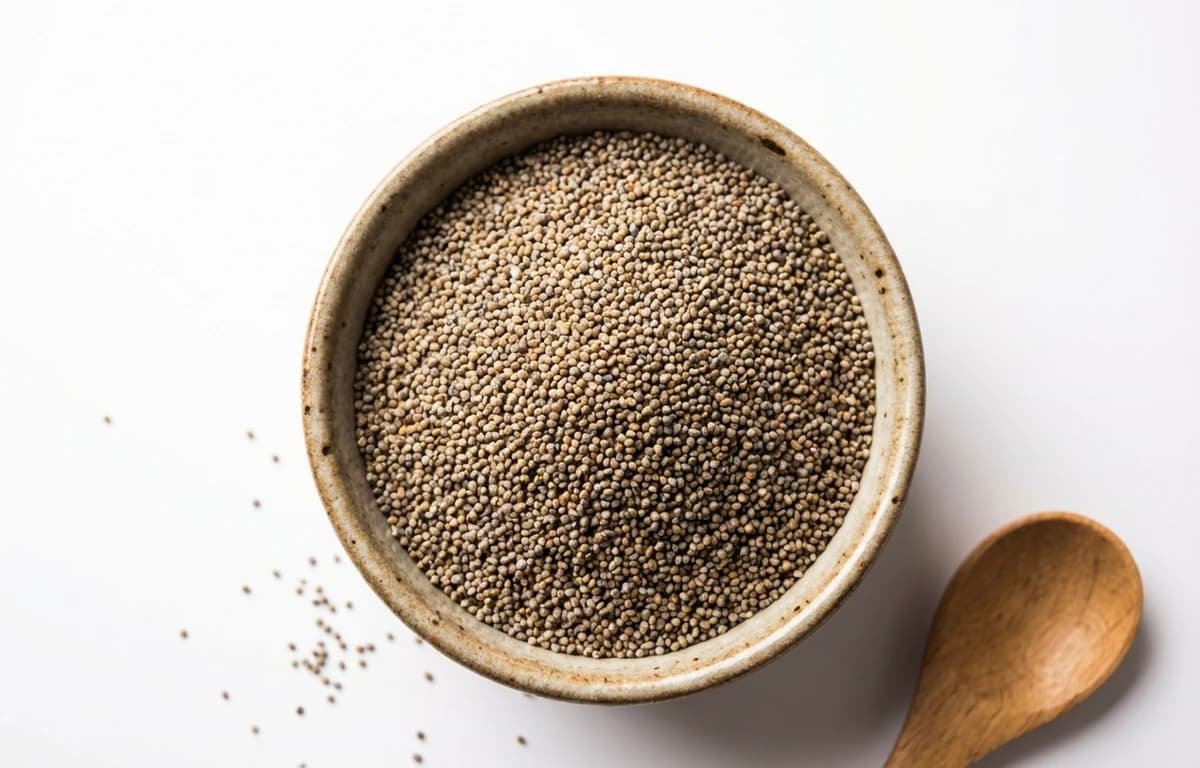
gasagasalu
Also known as:
Loading...
Also known as:
Per 100g
Nutrition data source: USDA FoodData Central
Yes, gasagasalu (poppy seeds) are quite healthy. They are rich in essential minerals like calcium, manganese, and magnesium, crucial for bone health and metabolism. They also provide dietary fiber for digestion and healthy unsaturated fats that support heart health.
Per 100g, gasagasalu (poppy seeds) contain approximately 525 calories, 17.99g protein, 28.13g carbohydrates, and 41.56g fat. They are also a good source of dietary fiber and minerals such as calcium, manganese, and magnesium.
While gasagasalu (poppy seeds) are calorie-dense, their high fiber and healthy fat content can promote satiety, potentially aiding in appetite control. However, due to their caloric value, they should be consumed in moderation as part of a balanced diet for weight management.
Yes, gasagasalu (poppy seeds) are naturally gluten-free, making them suitable for individuals with celiac disease or gluten sensitivity. They are also a plant-based food, making them suitable for vegan diets.
Yes, in moderation. Gasagasalu (poppy seeds) are a good source of dietary fiber, which can help regulate blood sugar levels and improve insulin sensitivity. However, their carbohydrate content should be considered within a diabetic meal plan.
Gasagasalu (poppy seeds) are widely used in baking, often sprinkled on bread, bagels, and pastries. In Indian cuisine, they are frequently ground into a paste to thicken curries and gravies, or used in sweets and desserts for their nutty flavor and texture.
gasagasalu is a versatile ingredient found in cuisines around the world. With 525 calories per 100g and 17.99 grams of protein, it's a nutritious addition to many dishes.
Explore more ingredients in the seed category with complete nutrition information.
View all seed →Yes, gasagasalu (poppy seeds) have a mild, nutty, and slightly sweet flavor when raw. When toasted, their flavor becomes more pronounced and earthy. They also add a pleasant crunch to dishes.
Store gasagasalu (poppy seeds) in an airtight container in a cool, dark, and dry place, such as a pantry. For longer freshness, especially if buying in bulk, they can be stored in the refrigerator or freezer.
Yes, consuming large quantities of poppy seeds can potentially lead to a false positive result for opiates on certain drug tests. This is because poppy seeds can contain trace amounts of opiate alkaloids like morphine and codeine, which are naturally present in the poppy plant.
While generally safe for most people in culinary amounts, some individuals might experience allergic reactions. As mentioned, consuming large amounts can interfere with drug tests. Pregnant or breastfeeding women should consult a doctor before consuming large quantities due to the presence of alkaloids.