Other1 recipes
gentian root.
VegetarianVeganGluten-freeDairy-freeNut-freePeanut-freeSoy-freeEgg-freeShellfish-freeHoney-freeAlcohol-free
ALSO KNOWN AS
bitter rootyellow gentian
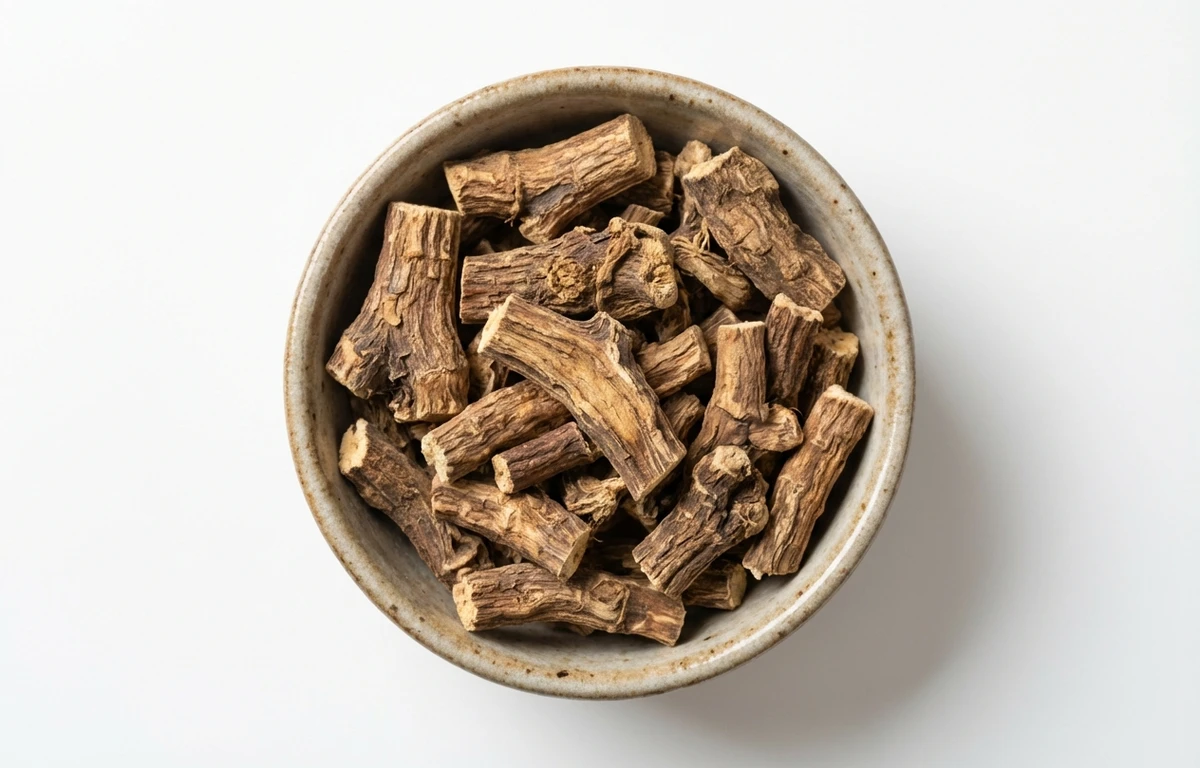
SERVING
CALORIES
350
PROTEIN
6.3g
CARBS
81.3g
FAT
1.3g
FIBER
12.5g
This ingredient is flagged as naturally gluten-free.
NUTRITION PROFILE · per 100 g
Everything in this ingredient.
MACRONUTRIENTS
Calories350kcal—
Protein6.3g13%
Carbohydrates81.3g30%
Fiber12.5g45%
Sugar0g0%
Total fat1.3g2%
Saturated fat0.20g1%
Cholesterol0mg0%
Water8.0g—
MINERALS
Sodium12mg1%
Potassium1250mg27%
Calcium375mg29%
Iron1.3mg7%
Magnesium170mg40%
Phosphorus160mg13%
Zinc1.5mg14%
VITAMINS
Vitamin A0µg0%
Vitamin C0mg0%
Vitamin D0µg0%
Thiamin (B1)0.15mg13%
Riboflavin (B2)0.18mg14%
Niacin (B3)2.5mg16%
Vitamin B60.30mg18%
%DV based on a 2,000 cal diet. Source: USDA FoodData Central. A dash in the %DV column means there’s no established Daily Value for that nutrient.
MEASUREMENT CONVERSIONS
How much is what.
1 cup112g
1 tablespoon7g
1 teaspoon2.3g
1 ml0.5g
1 liter466.7g
HEALTH BENEFITS
Why eat it.
- ✓Stimulates digestion by increasing production of saliva, bile, and stomach acids.
- ✓Acts as a digestive tonic, helping to alleviate symptoms like bloating, gas, and indigestion.
- ✓Traditionally used to stimulate appetite before meals, particularly in cases of poor appetite.
COOKING TIPS
In the kitchen.
- 1Use extremely sparingly due to its intense bitterness; a tiny amount is sufficient for flavoring.
- 2Infuse in high-proof spirits (like vodka or gin) for several weeks to create homemade cocktail bitters or digestive liqueurs (amari).
- 3Create a non-alcoholic digestive aid by steeping a small piece of the root in hot water to make a bitter tea.
- 4Balance its bitterness by combining it with other botanicals like citrus peel, cardamom, star anise, or cinnamon during infusion.
STORAGE
Keep it fresh.
- Store dried, whole, or cut gentian root in an airtight container in a cool, dark, and dry place for up to two years.
- Keep powdered gentian root in a tightly sealed container away from light and moisture to prevent clumping; use within a year for best potency.
FAQ
Frequently asked questions.
What are the primary health benefits of gentian root?
Gentian root is primarily known for its digestive benefits. It stimulates the production of saliva, bile, and stomach acids, acting as a digestive tonic to alleviate symptoms like bloating, gas, and indigestion. It may also support liver function by promoting bile flow and is traditionally used to stimulate appetite.
Is gentian root safe for everyone to use? Are there any side effects?
While generally safe for most adults when used appropriately, gentian root can cause side effects like stomach upset, nausea, or headaches in some individuals. It should be avoided by those with stomach ulcers, acid reflux, or high blood pressure. Always consult a healthcare professional before starting any new herbal supplement.
What does gentian root taste like, and how is it typically consumed?
Gentian root is famously one of the bitterest herbs known, with an intensely strong, earthy, and persistent bitter flavor. It is most commonly consumed as a tea, tincture, or as an ingredient in digestive bitters and aperitifs, often diluted or combined with other flavors to mask its bitterness.
How much protein, carbs, and calories are in gentian root?
Per 100g, gentian root contains approximately 350 calories, 6.25g of protein, 81.25g of carbohydrates, and 1.25g of fat. However, it's typically consumed in very small quantities, so its contribution to daily nutritional intake is minimal.
Is gentian root suitable for vegans or those on a gluten-free diet?
Yes, gentian root itself is a plant-derived ingredient, making it suitable for vegans. It is also naturally gluten-free. However, always check the labels of processed products like tinctures or supplements, as they may contain other ingredients or processing aids.
How long does dried gentian root typically last?
When stored properly, dried gentian root can maintain its potency for up to 2-3 years. Tinctures or extracts may have a longer shelf life, often indicated on the product label, usually several years.
Can gentian root be used during pregnancy or breastfeeding?
No, gentian root is generally not recommended for use during pregnancy or breastfeeding due to a lack of sufficient safety data. It's always best to err on the side of caution and avoid herbal remedies unless specifically advised by a healthcare provider during these periods.
What forms of gentian root are commonly available for purchase?
Gentian root is commonly available as dried cut root for making teas or decoctions, as a powdered supplement, or as a liquid extract (tincture). It's also a key ingredient in many commercial digestive bitters and some alcoholic beverages.
RECIPES
Cook with gentian root.
1 recipes · sorted by what’s quick