
Loading...
Also known as:
Per 100g
Nutrition data source: USDA FoodData Central
Common measurement equivalents in grams
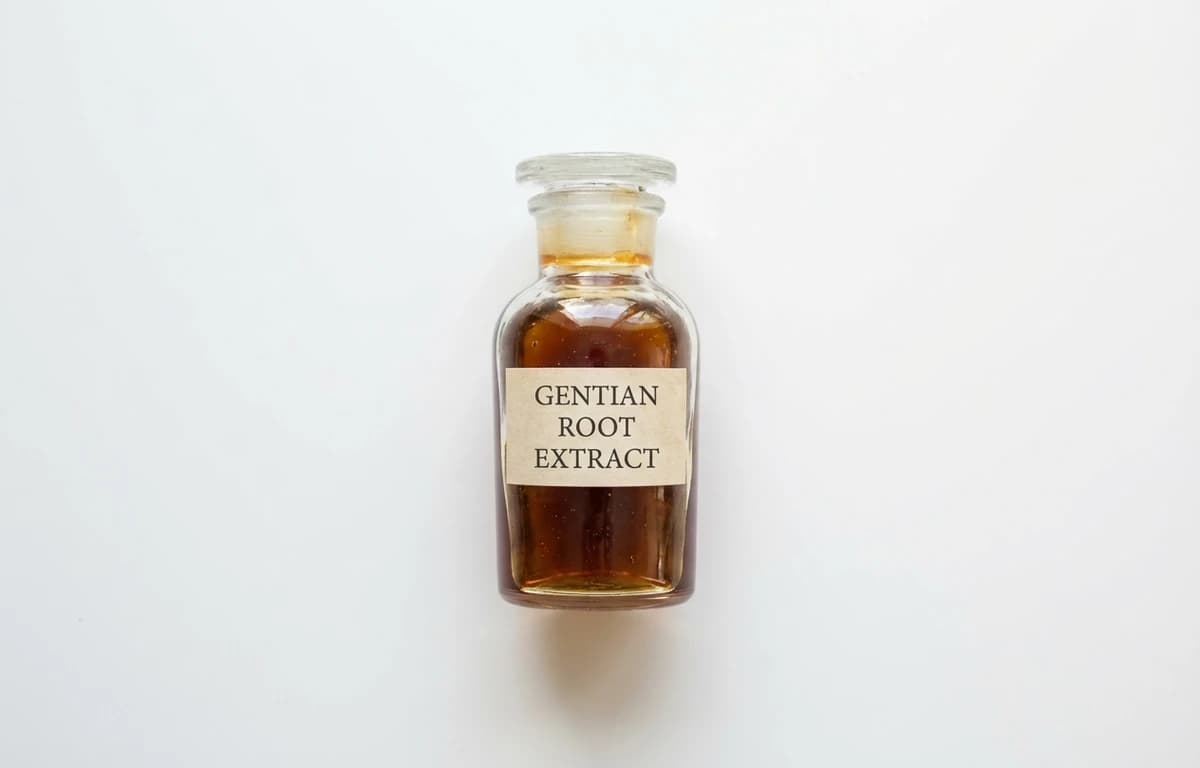
Gentian root extract is primarily used as a bitter tonic to stimulate the production of digestive juices, saliva, and bile. It helps improve appetite, relieve indigestion and heartburn, and supports overall liver and gallbladder function. Traditionally, it has also been used to combat general fatigue and debility.
Gentian root extract is very low in calories, containing approximately 5 calories per 100g. It contains about 1.2g of carbohydrates and negligible amounts of protein and fat. Given that it is typically consumed in very small medicinal doses, its nutritional impact on a daily diet is minimal.
Yes, pure gentian root extract is naturally vegan and gluten-free as it is derived from the roots of the Gentiana lutea plant. However, users should check the labels of commercial tinctures or supplements to ensure no gluten-containing additives or animal-derived stabilizers were used during processing.
Gentian root is known for its intense, sharp, and lingering bitterness; it is often cited as one of the most bitter substances found in nature. It lacks sweetness and has a slightly earthy, floral aroma that is commonly utilized in aromatic bitters and aperitifs.
Yes, gentian root extract is keto-friendly. With only 1.2g of carbohydrates per 100g and a standard serving size usually being just a few drops or milligrams, it will not affect blood sugar levels or interfere with ketosis.
It is most commonly used as a flavoring agent in the beverage industry, appearing in cocktail bitters, aperitifs like Suze, and some herbal sodas. In cooking, it is rarely used as a primary ingredient but can be added to homemade tonics or syrups to provide a complex bitter backbone to balance sweet flavors.
Gentian Root Extract is a versatile ingredient found in cuisines around the world. With 5 calories per 100g and valuable grams of protein, it's a nutritious addition to many dishes.
Explore more ingredients in the herbal extract category with complete nutrition information.
View all herbal extract →Discover 1 recipes featuring gentian root extract with step-by-step instructions.
Browse recipes →Explore more ingredients similar to Gentian Root Extract.
The most-searched ingredients on CraftMyMeals.
Individuals with stomach ulcers, gastritis, or excessive stomach acid should avoid gentian root because it stimulates the production of gastric acid, which can worsen these conditions. It is also generally recommended that pregnant or breastfeeding women consult a doctor before use due to a lack of safety data.
Liquid extract or tinctures should be stored in a cool, dark place, such as a pantry or cupboard, away from direct sunlight and heat. Ensure the bottle is tightly sealed to prevent evaporation and maintain the potency of the active bitter compounds.
Alcohol-based gentian tinctures have a long shelf life of 3 to 5 years if stored correctly. Dried root or powdered extracts typically remain potent for 1 to 2 years, after which the bitter principles may begin to degrade and lose their digestive effectiveness.
Gentian root is not a direct weight loss supplement, but it can support metabolic health by improving digestion and nutrient absorption. However, because it is a bitter tonic that stimulates the appetite, it may actually increase hunger in some individuals, which is why it is traditionally used to treat a lack of appetite.