
Loading...
Per 100g
Nutrition data source: USDA FoodData Central
Common measurement equivalents in grams
In moderation, German lager can offer some health benefits, such as providing B vitamins, minerals, and potentially improving cardiovascular health and bone density. However, due to its alcohol content, excessive consumption can lead to negative health effects, so it should be enjoyed responsibly.
A 100g serving of German lager typically contains 43 calories and 3.6g of carbohydrates. It is a low-protein beverage with about 0.5g per 100g and contains zero fat.
No, German lager is not gluten-free. It is brewed using malted barley, which contains gluten, making it unsuitable for individuals with celiac disease or gluten intolerance.
Most German lagers are vegan-friendly. Because of the German Purity Law (Reinheitsgebot), they are traditionally brewed using only water, malt, hops, and yeast, avoiding animal-derived fining agents like isinglass or gelatin often used in other beer styles.
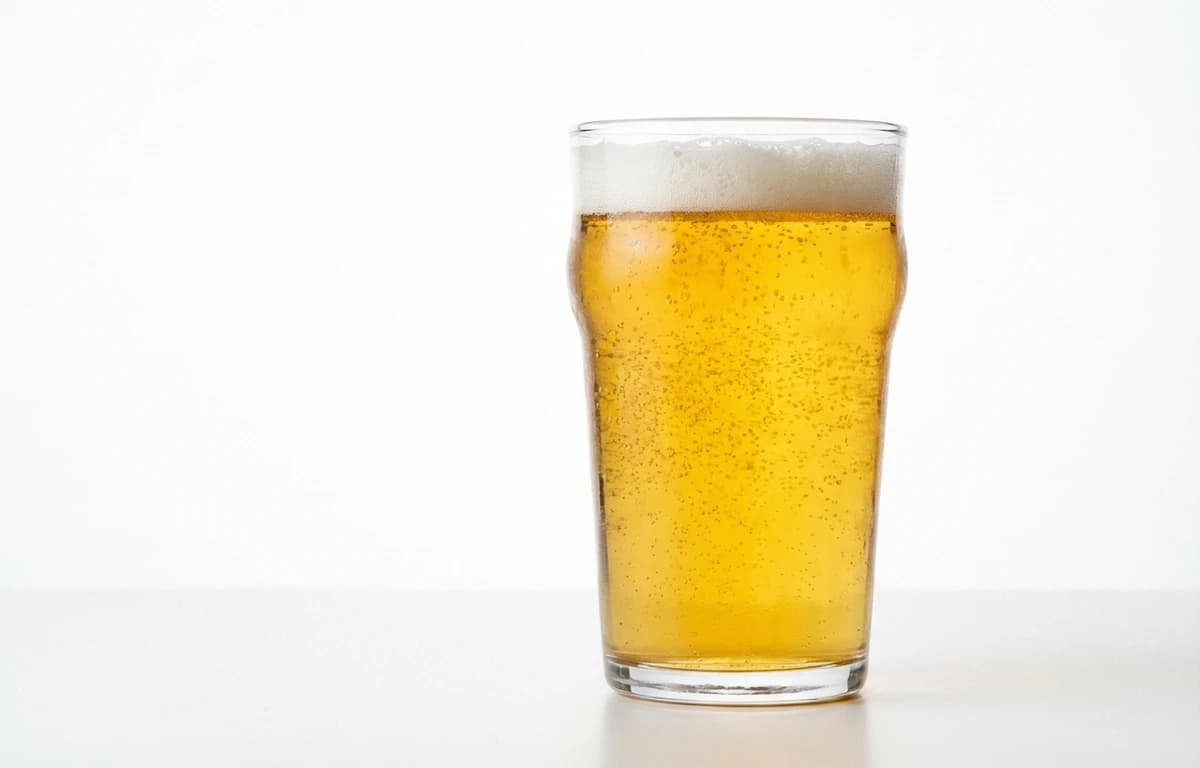
German lagers are known for their clean, crisp, and refreshing taste. They typically feature a balanced profile of bready malt sweetness and a mild, floral hop bitterness, with a smooth finish compared to fruitier ales.
Store German lager in a cool, dark place, ideally between 45°F and 55°F (7°C–13°C). Keep bottles upright to minimize oxidation and protect them from UV light to prevent the beer from becoming 'skunked'.
Yes, it is a versatile cooking ingredient. Its carbonation makes it perfect for light, crispy deep-fry batters, and its malty profile adds depth to stews, beer cheese soups, and marinades for sausages or pork.
German Lager Beer is a versatile ingredient found in cuisines around the world. With 43 calories per 100g and 0.5 grams of protein, it's a nutritious addition to many dishes.
Explore more ingredients in the beverage category with complete nutrition information.
View all beverage →Discover 1 recipes featuring german lager beer with step-by-step instructions.
Browse recipes →While it doesn't expire in a way that makes it unsafe, German lager is best consumed fresh, usually within 6 to 12 months of its bottling date. Over time, the hop flavors fade and the malt can take on a stale, papery taste.
German lager is generally not considered keto-friendly because it contains roughly 12-15 grams of carbohydrates per standard 12oz serving. These liquid carbs can quickly exceed the daily limits of a strict ketogenic diet.
German lagers are bottom-fermented at cooler temperatures using specific yeast strains, resulting in a smoother, cleaner profile than top-fermented ales. Many are also brewed according to the Reinheitsgebot, ensuring no adjuncts like corn or rice are used.