
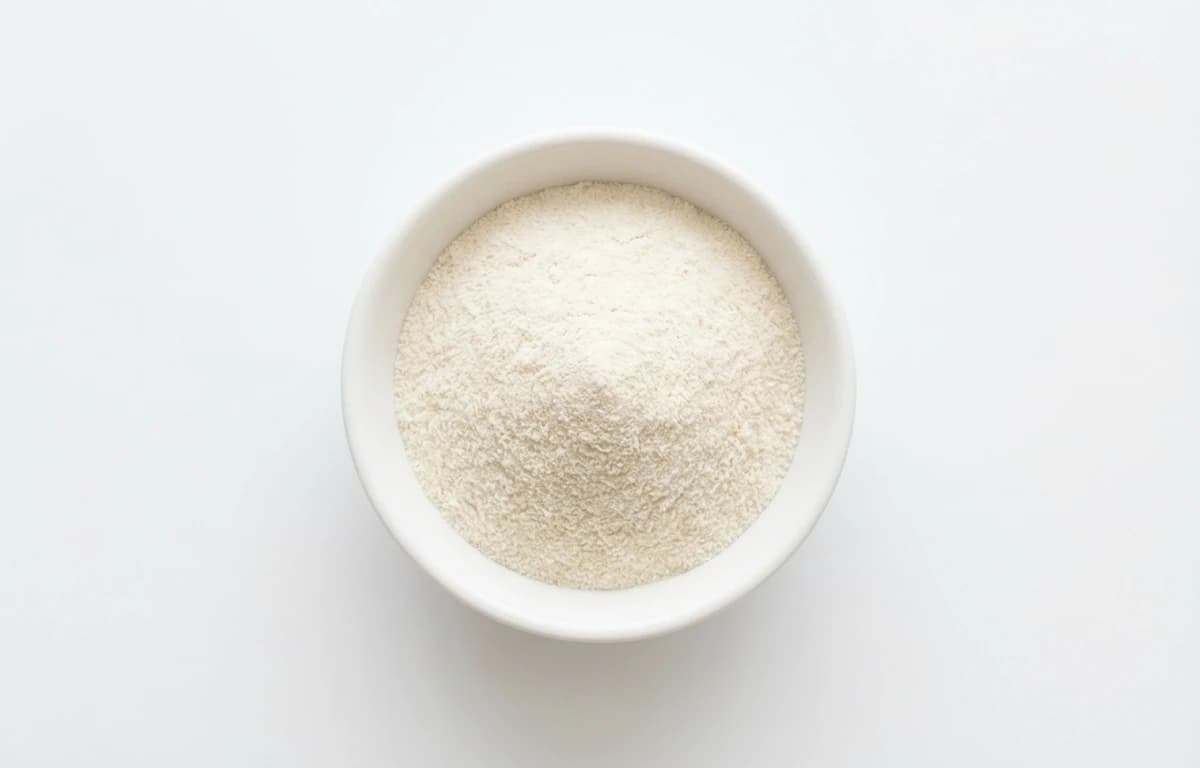
Loading...
Also known as: amyloglucosidase, gamma-amylase
Per 100g
Nutrition data source: USDA FoodData Central
Common measurement equivalents in grams
Glucoamylase is an enzyme that breaks down complex carbohydrates and starches into simple sugars, specifically glucose. It works by hydrolyzing the alpha-1,4 and alpha-1,6 glycosidic bonds found in starches like amylose and amylopectin. This enzyme is widely used in food processing and as a digestive aid.
The main health benefit of glucoamylase is its role in digestion, helping to break down starches into easily absorbable glucose. In supplements, it can potentially alleviate symptoms like bloating and gas associated with poor carbohydrate digestion. It supports the body's ability to process complex carbs more efficiently.
No, glucoamylase itself is an enzyme, not a food source, and therefore contains virtually no calories, protein, carbohydrates, or fat. It acts as a catalyst to break down other substances, but does not contribute nutritional value directly.
Glucoamylase is extensively used in the food industry, particularly in brewing to produce low-carbohydrate or 'light' beers by converting starches into fermentable sugars. It's also used in the production of high-glucose syrups and in creating gluten-free products, such as beers and baked goods, by breaking down starches from alternative grains.
Yes, glucoamylase enzyme is typically vegan as it is usually produced through microbial fermentation, not from animal sources. It is also inherently gluten-free and is often utilized in the production of gluten-free foods and beverages to help break down starches from non-gluten grains.
Yes, glucoamylase can be beneficial for individuals experiencing digestive discomfort, such as bloating and gas, particularly if these symptoms are related to the incomplete digestion of complex carbohydrates. By efficiently breaking down starches, it can reduce the amount of undigested material that ferments in the gut.
glucoamylase enzyme is a versatile ingredient found in cuisines around the world. With 370 calories per 100g and 1.5 grams of protein, it's a nutritious addition to many dishes.
Explore more ingredients in the enzyme category with complete nutrition information.
View all enzyme →Discover 1 recipes featuring glucoamylase enzyme with step-by-step instructions.
Browse recipes →Explore more ingredients similar to glucoamylase enzyme.
The most-searched ingredients on CraftMyMeals.
While glucoamylase itself has no carbs, its action is to break down starches into glucose. In food production, it's used to create low-carb products like 'light' beer by converting starches into fermentable sugars that are then consumed by yeast. For individuals on a low-carb or keto diet, consuming glucoamylase in a supplement might help digest any incidental carbs, but it doesn't prevent the conversion of starches to glucose.
Glucoamylase enzyme, whether in liquid or powdered form, should generally be stored in a cool, dry place, away from direct sunlight. Refrigeration is often recommended for liquid forms to maintain optimal activity and extend shelf life. Always check the specific storage instructions on the product label.
Yes, glucoamylase is commonly used by home brewers to create drier, lower-carb beers or to increase alcohol yield by converting more complex starches into fermentable sugars. It can also be used in home baking for gluten-free recipes to improve texture and breakdown starches from alternative flours.
Glucoamylase is generally recognized as safe (GRAS) when used appropriately. However, as with any supplement, some individuals might experience mild digestive upset. People with diabetes should consult a healthcare professional, as glucoamylase increases glucose availability, which could impact blood sugar levels.