
Other
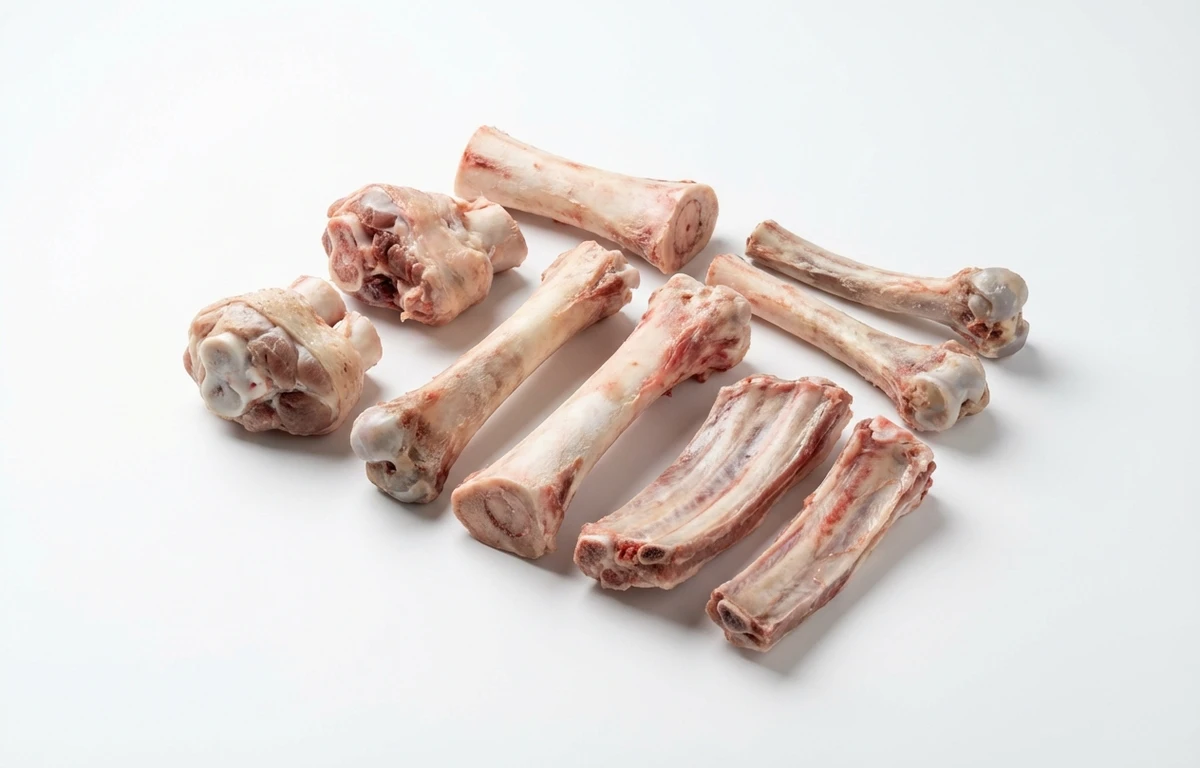
goat bones.
VegetarianVeganGluten-freeDairy-freeNut-freePeanut-freeSoy-freeEgg-freeShellfish-freeHoney-freeAlcohol-free
ALSO KNOWN AS
Bakri ki haddi
SERVING
CALORIES
786
PROTEIN
6.7g
CARBS
0g
FAT
84.4g
FIBER
0g
This ingredient is flagged as naturally gluten-free.
NUTRITION PROFILE · per 100 g
Everything in this ingredient.
MACRONUTRIENTS
Calories786kcal—
Protein6.7g13%
Carbohydrates0g0%
Fiber0g0%
Sugar0g0%
Total fat84.4g108%
Saturated fat35.1g176%
Cholesterol197mg66%
Water8.5g—
MINERALS
Sodium10mg0%
Potassium10mg0%
Calcium10mg1%
Iron0.50mg3%
Magnesium15mg4%
Phosphorus200mg16%
Zinc3.0mg27%
VITAMINS
Vitamin A0µg0%
Vitamin C0mg0%
Vitamin D0µg0%
Thiamin (B1)0.01mg1%
Riboflavin (B2)0.05mg4%
Niacin (B3)0.10mg1%
Vitamin B60.01mg1%
Vitamin B125.0µg208%
%DV based on a 2,000 cal diet. Source: USDA FoodData Central. A dash in the %DV column means there’s no established Daily Value for that nutrient.
MEASUREMENT CONVERSIONS
How much is what.
1 cup220g
1 oz28.4g
1 lb453.6g
1 piece80g
HEALTH BENEFITS
Why eat it.
- ✓Excellent source of collagen and gelatin when simmered, supporting joint health, skin elasticity, and gut integrity.
- ✓Contains bone marrow, which provides healthy fats, vitamins A and K2, and minerals like iron and zinc.
COOKING TIPS
In the kitchen.
- 1For a richer, deeper flavor in stocks and broths, roast the bones at 400°F (200°C) for 30-45 minutes until well-browned before simmering.
- 2Simmer bones slowly over low heat for an extended period (at least 8-24 hours) to extract the maximum amount of collagen, gelatin, and nutrients.
- 3Add a splash of an acidic medium, like apple cider vinegar or lemon juice, to the pot to help break down the bones and release more minerals into the broth.
- 4Skim off any foam or impurities that rise to the surface during the first hour of simmering to ensure a clearer, cleaner-tasting final product.
STORAGE
Keep it fresh.
- Store raw goat bones in the refrigerator at or below 40°F (4°C) and use within 1-2 days.
- For long-term storage, freeze the bones in an airtight, freezer-safe bag or container for up to 6 months.
FAQ
Frequently asked questions.
How much protein and calories are in goat bone broth?
While the raw goat bones with marrow can be high in calories and fat (as per the provided data), a typical serving of goat bone broth is much lower. It primarily offers protein from gelatin (around 6-10g per cup) and minimal calories, making it a nutrient-dense, low-calorie option. The fat content varies depending on how much fat is skimmed off.
Is goat bone broth suitable for a keto or low-carb diet?
Yes, goat bone broth is excellent for keto and low-carb diets. It contains virtually no carbohydrates and is rich in healthy fats (especially if marrow is consumed) and protein, making it a satiating and nutrient-dense beverage that supports ketosis.
Is goat bone broth gluten-free and dairy-free?
Yes, goat bone broth is naturally gluten-free and dairy-free. It is made solely from bones, water, and often vegetables and herbs, making it suitable for individuals with gluten or dairy sensitivities and allergies.
How do you cook goat bones to make broth?
To make broth, goat bones are typically roasted first for deeper flavor, then simmered in water with a splash of apple cider vinegar (to help extract minerals) and optional vegetables and herbs for 12-24 hours. This long, slow cooking process extracts the beneficial collagen, gelatin, and minerals.
What does goat bone broth taste like?
Goat bone broth has a rich, savory, and slightly earthy flavor. It's often described as less greasy than beef broth but with a distinct, pleasant gamey note. The taste can vary based on the roasting process and added aromatics.
How should you store goat bones and homemade bone broth?
Fresh goat bones should be stored in the refrigerator for 1-2 days or frozen for up to 6 months. Homemade goat bone broth can be refrigerated for up to 5-7 days or frozen in airtight containers for several months, making it convenient for regular consumption.
How do you select fresh goat bones for broth?
Look for clean, well-packaged goat bones from a reputable butcher. They should have a fresh, neutral smell, not a strong or off-putting odor. Bones with some residual meat or visible marrow are ideal as they contribute more flavor and nutrients to the broth.
Can you eat the bone marrow from goat bones?
Yes, goat bone marrow is edible and considered a delicacy in many cultures. It's rich, buttery, and highly nutritious, providing healthy fats, vitamins A and K2, and minerals like iron and zinc. It can be roasted and scooped out or enjoyed directly from the bones after simmering in broth.



















