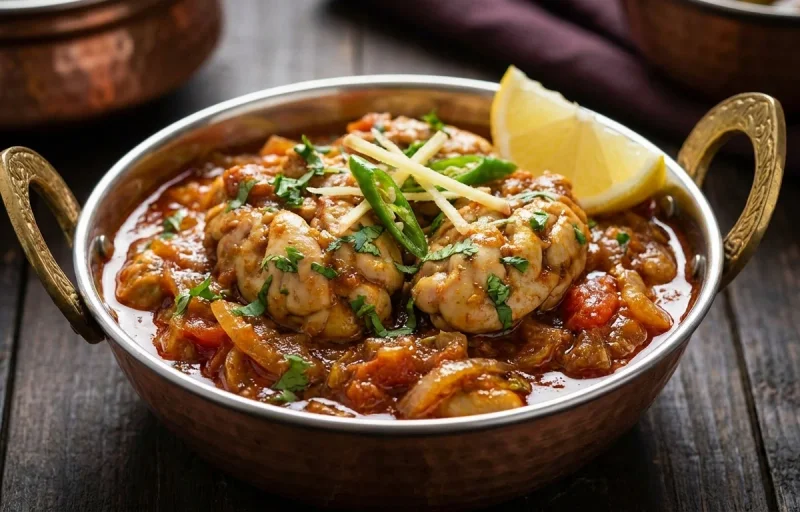
Other5 recipes
goat brain.
VegetarianVeganGluten-freeDairy-freeNut-freePeanut-freeSoy-freeEgg-freeShellfish-freeHoney-freeAlcohol-free
ALSO KNOWN AS
mutton brainbheja
SERVING
CALORIES
127
PROTEIN
13.8g
CARBS
0g
FAT
8.1g
FIBER
0g
This ingredient is flagged as naturally gluten-free. Per 100 g, it provides 3.8 µg of vitamin K.
NUTRITION PROFILE · per 100 g
Everything in this ingredient.
MACRONUTRIENTS
Calories127kcal—
Protein13.8g28%
Carbohydrates0g0%
Fiber0g0%
Sugar0g0%
Total fat8.1g10%
Saturated fat2.1g11%
Trans fat0g—
Cholesterol1340mg447%
Water76.7g—
MINERALS
Sodium132mg6%
Potassium296mg6%
Calcium10.6mg1%
Iron1.6mg9%
Magnesium13.9mg3%
Phosphorus296mg24%
Zinc1.1mg10%
Copper0.30mg33%
Manganese0.04mg2%
Selenium21.7µg39%
VITAMINS
Vitamin A2.0µg0%
Vitamin C0mg0%
Vitamin D0.30µg2%
Vitamin E0.07mg0%
Vitamin K3.8µg3%
Thiamin (B1)0.13mg11%
Riboflavin (B2)0.17mg13%
Niacin (B3)2.0mg13%
Pantothenic acid (B5)1.5mg30%
Vitamin B60.28mg16%
Biotin (B7)1.3µg4%
Folate (B9)0µg0%
Vitamin B1210.0µg416%
%DV based on a 2,000 cal diet. Source: USDA FoodData Central. A dash in the %DV column means there’s no established Daily Value for that nutrient.
MEASUREMENT CONVERSIONS
How much is what.
1 cup150g
1 tablespoon9.4g
1 teaspoon3.1g
1 ml0.6g
1 liter625g
1 piece75g
HEALTH BENEFITS
Why eat it.
- ✓Excellent source of omega-3 fatty acids, particularly DHA, which is crucial for brain health and cognitive function.
- ✓Contains high levels of cholesterol, which is a precursor for steroid hormones and vitamin D, but should be consumed in moderation.
COOKING TIPS
In the kitchen.
- 1Before cooking, soak the brain in cold, salted water for about 30 minutes, then carefully peel away the outer membrane and blood vessels.
- 2Gently poach the cleaned brain in simmering water with a little vinegar or lemon juice for 5-7 minutes to firm it up before frying or adding to curries.
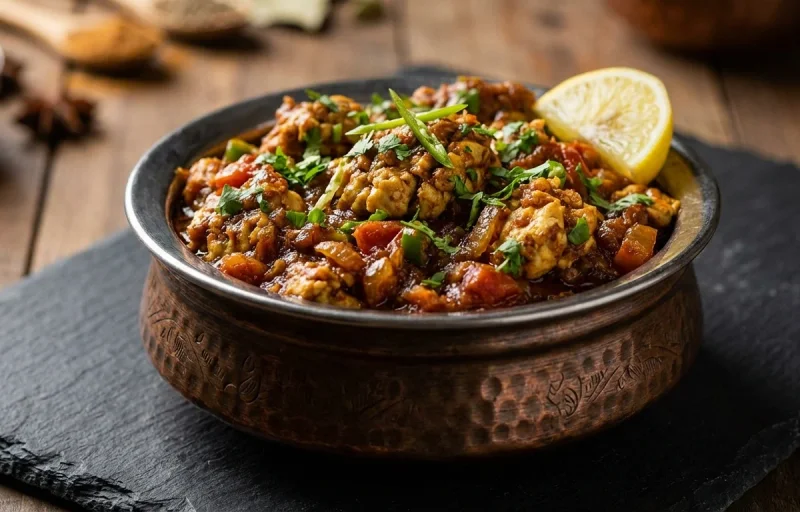
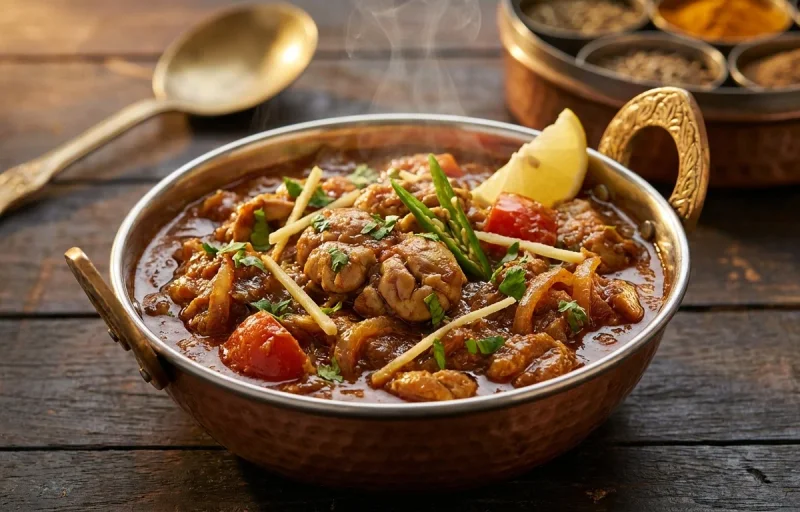
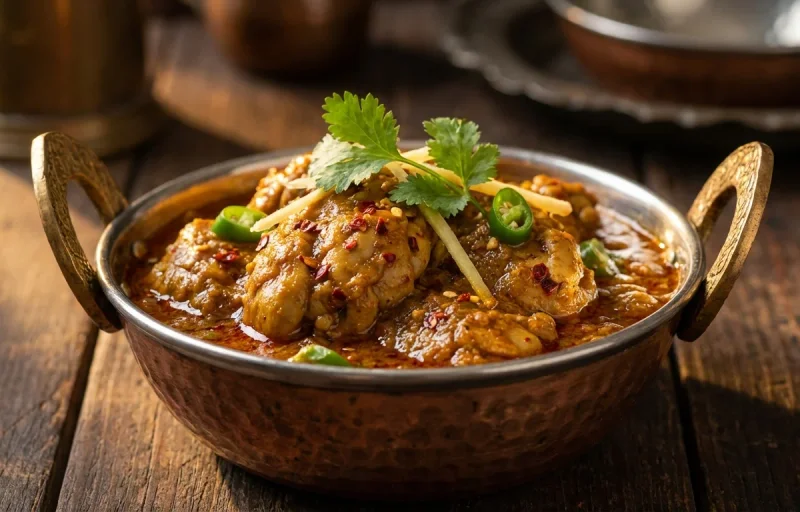
- 3Goat brain has a delicate, custard-like texture and pairs well with bold spices. It is popularly used in dishes like 'Maghaz Masala' (brain curry) or scrambled with onions, ginger, and chilies.
- 4Avoid overcooking, as it can become rubbery. Cook just until it is firm and opaque throughout.
STORAGE
Keep it fresh.
- Store fresh goat brain in an airtight container in the coldest part of the refrigerator (below 40°F or 4°C) and use within 24 hours.
- For longer storage, freeze immediately. Wrap tightly in plastic wrap and place in a freezer-safe bag. Use within 1-2 months for optimal quality.
FAQ
Frequently asked questions.
What are the nutritional values of goat brain?
Per 100g, goat brain contains approximately 127 calories, 13.82g of protein, 8.06g of fat, and 0g of carbohydrates. It's a nutrient-dense food, particularly rich in essential fatty acids and vitamins.
Is goat brain keto-friendly or low-carb?
Yes, goat brain is an excellent choice for keto or low-carb diets as it contains 0g of carbohydrates per 100g. It provides a good source of protein and healthy fats, making it suitable for maintaining ketosis.
How do you cook goat brain?
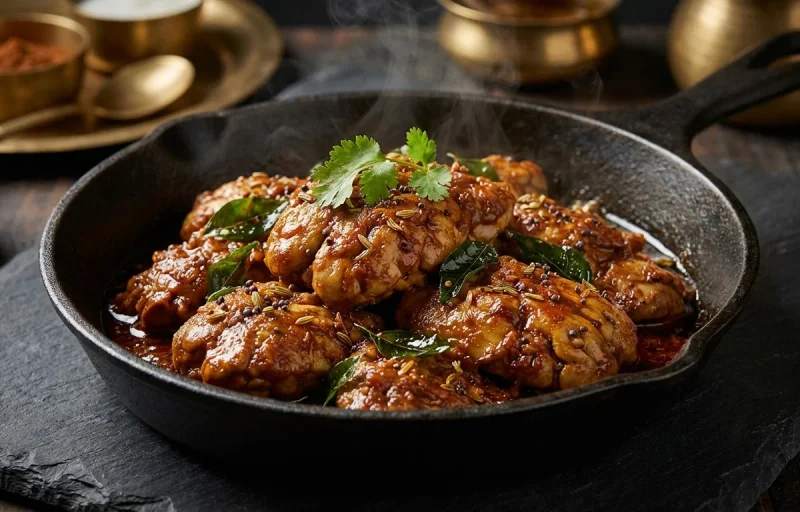
Goat brain is often prepared by first blanching it to firm up the texture and remove membranes. It can then be sautéed, fried, curried, or scrambled with spices and vegetables. Popular preparations include brain masala or fried brain cutlets.
What does goat brain taste like?
Goat brain has a very delicate, mild flavor, often described as slightly sweet and creamy. Its texture is soft, tender, and custard-like when cooked properly, making it a unique culinary experience.
How do you store goat brain?
Fresh goat brain should be stored in the coldest part of the refrigerator and cooked within 1-2 days. For longer storage, it can be frozen in an airtight container or freezer bag for up to 3-4 months. Thaw slowly in the refrigerator before use.
How do you know if goat brain is fresh?
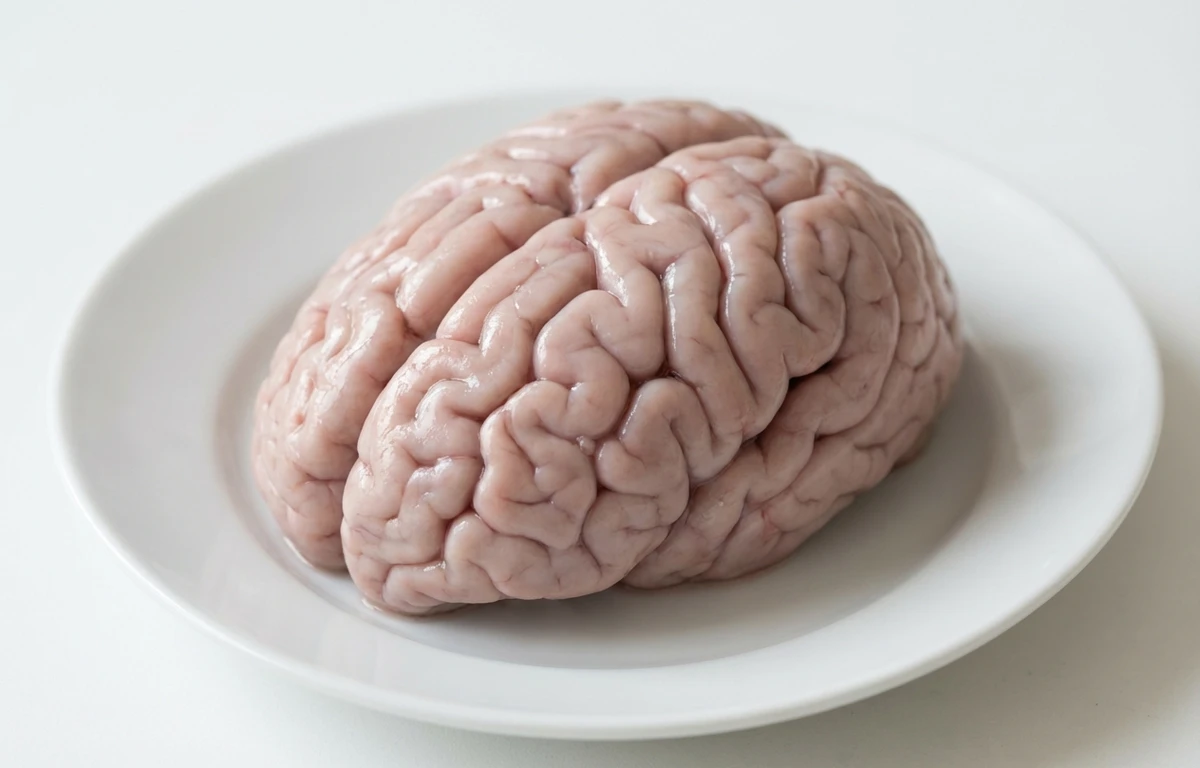
Fresh goat brain should have a pale pinkish-white color and a firm, intact texture. Avoid any brains that appear discolored, have a slimy feel, or emit an off-putting odor, as these are signs of spoilage.
RECIPES
Cook with goat brain.
5 recipes · sorted by what’s quick