
Other
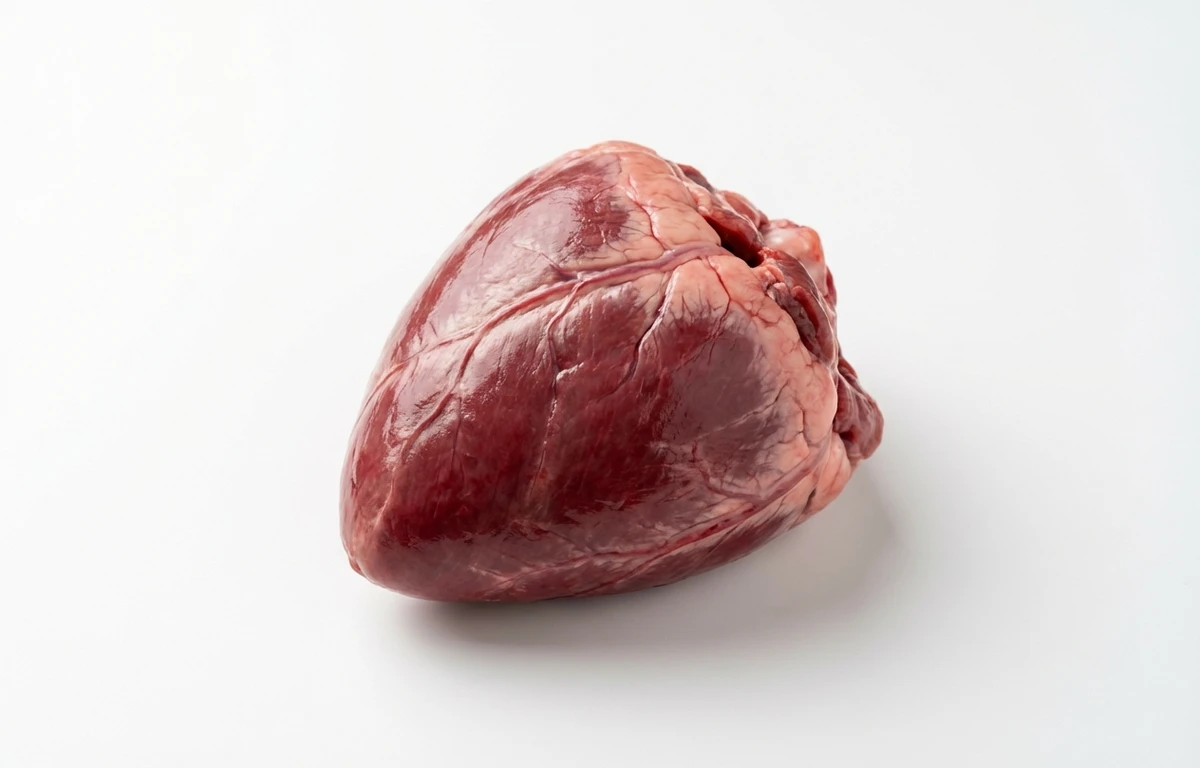
goat heart.
VegetarianVeganGluten-freeDairy-freeNut-freePeanut-freeSoy-freeEgg-freeShellfish-freeHoney-freeAlcohol-free
SERVING
CALORIES
118
PROTEIN
19.4g
CARBS
0g
FAT
4.4g
FIBER
0g
This ingredient is flagged as naturally gluten-free. Per 100 g, it provides 10.6 µg of vitamin K.
NUTRITION PROFILE · per 100 g
Everything in this ingredient.
MACRONUTRIENTS
Calories118kcal—
Protein19.4g39%
Carbohydrates0g0%
Fiber0g0%
Sugar0g0%
Total fat4.4g6%
Saturated fat1.9g10%
Trans fat0g—
Cholesterol122mg41%
Water75.2g—
MINERALS
Sodium73.2mg3%
Potassium224mg5%
Calcium5.7mg0%
Iron3.4mg19%
Magnesium18mg4%
Phosphorus174mg14%
Zinc1.4mg13%
Copper0.34mg38%
Manganese0.03mg1%
Selenium15µg27%
VITAMINS
Vitamin A5.9µg1%
Vitamin C0mg0%
Vitamin D0.60µg3%
Vitamin E0.09mg1%
Vitamin K10.6µg9%
Thiamin (B1)0.36mg30%
Riboflavin (B2)0.33mg25%
Niacin (B3)6.0mg37%
Pantothenic acid (B5)1.7mg34%
Vitamin B60.23mg14%
Biotin (B7)1.6µg5%
Folate (B9)0µg0%
%DV based on a 2,000 cal diet. Source: USDA FoodData Central. A dash in the %DV column means there’s no established Daily Value for that nutrient.
MEASUREMENT CONVERSIONS
How much is what.
1 oz28.4g
1 lb453.6g
1 piece150g
HEALTH BENEFITS
Why eat it.
- ✓Extremely rich in Coenzyme Q10 (CoQ10), which supports cardiovascular health and cellular energy production.
- ✓Excellent source of B vitamins, especially B12, crucial for nerve function and red blood cell formation.
- ✓Provides a lean source of high-quality protein and all essential amino acids for muscle maintenance and repair.
COOKING TIPS
In the kitchen.
- 1Trim any tough silver skin, fat, and connective tissues before cooking. Slice thinly against the grain for maximum tenderness.
- 2Goat heart is very lean and cooks quickly. Use high-heat methods like grilling, searing, or stir-frying to avoid toughness. Do not overcook; aim for medium-rare to medium.
- 3Its robust flavor pairs well with strong aromatics and spices like garlic, rosemary, cumin, and chili. Marinating for 30-60 minutes can enhance flavor and tenderness.
- 4Can be diced and added to stews or ground with other meats for added nutritional value, but add it towards the end of cooking to prevent it from becoming tough.
STORAGE
Keep it fresh.
- Store fresh goat heart in the coldest part of the refrigerator (below 40°F or 4°C) and cook within 1-2 days of purchase.
- For long-term storage, wrap tightly in plastic wrap and a freezer bag, and freeze at 0°F (-18°C) for up to 4 months.
FAQ
Frequently asked questions.
Is goat heart healthy? What are its main benefits?
Yes, goat heart is exceptionally healthy, packed with vital nutrients. It's an outstanding source of Coenzyme Q10 (CoQ10), which is crucial for cardiovascular health and cellular energy. It also provides a rich array of B vitamins, especially B12, and essential minerals like bioavailable heme iron and zinc.
What is the nutritional content of goat heart?
Per 100g, goat heart is very lean, containing approximately 117.59 calories, 19.38g of high-quality protein, and only 4.4g of fat. It is also completely free of carbohydrates, making it a nutrient-dense food with a favorable macronutrient profile.
Is goat heart keto-friendly or low-carb?
Absolutely, goat heart is an excellent choice for keto and low-carb diets. It contains 0g of carbohydrates per 100g, making it a pure protein and fat source that aligns perfectly with these dietary approaches.
What does goat heart taste like?
Goat heart has a rich, slightly gamey flavor, similar to other red meats but with a distinct organ meat essence. It's often described as having a beefy taste, but leaner and with a firmer texture than typical muscle meat.
How do I know if goat heart is fresh?
Fresh goat heart should have a deep reddish-purple color, a firm texture, and a mild, slightly metallic scent. Avoid hearts that appear grayish, have a slimy texture, or emit a strong, off-putting odor, as these are signs of spoilage.
Can goat heart be eaten raw?
While some cultures consume raw organ meats, it is generally not recommended due to the risk of bacterial contamination and parasites. Cooking goat heart thoroughly to an internal temperature of 160°F (71°C) ensures safety and optimal digestibility.



















