
Other
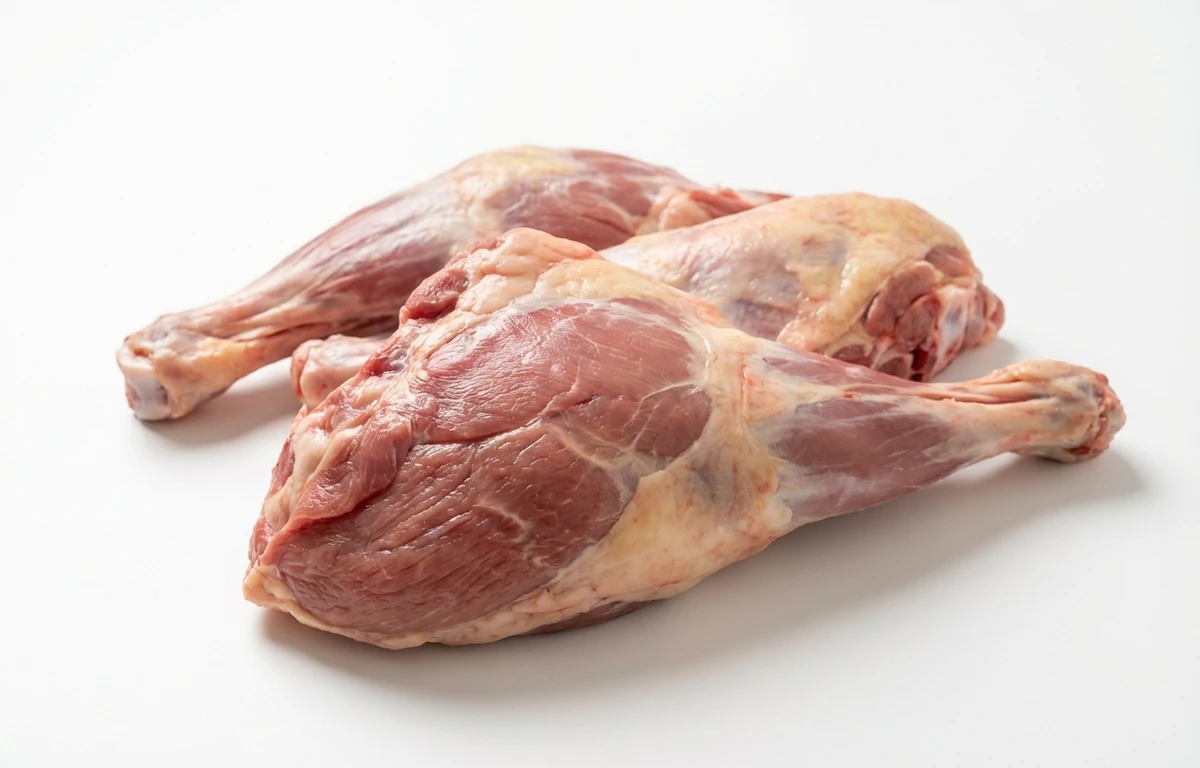
goat legs.
VegetarianVeganGluten-freeDairy-freeNut-freePeanut-freeSoy-freeEgg-freeShellfish-freeHoney-freeAlcohol-free
SERVING
CALORIES
160
PROTEIN
22.1g
CARBS
0g
FAT
7.9g
FIBER
0g
This ingredient is flagged as naturally gluten-free. Per 100 g, it provides 9.5 µg of vitamin K.
NUTRITION PROFILE · per 100 g
Everything in this ingredient.
MACRONUTRIENTS
Calories160kcal—
Protein22.1g44%
Carbohydrates0g0%
Fiber0g0%
Sugar0g0%
Total fat7.9g10%
Saturated fat3.7g18%
Trans fat0g—
Cholesterol82.5mg28%
Water68.8g—
MINERALS
Sodium42.8mg2%
Potassium339mg7%
Calcium5.8mg0%
Iron1.8mg10%
Magnesium21.7mg5%
Phosphorus187mg15%
Zinc3.5mg32%
Copper0.08mg9%
Manganese0.01mg0%
Selenium17.8µg32%
VITAMINS
Vitamin A8.5µg1%
Vitamin C0mg0%
Vitamin D0.32µg2%
Vitamin E0.09mg1%
Vitamin K9.5µg8%
Thiamin (B1)0.07mg6%
Riboflavin (B2)0.15mg12%
Niacin (B3)5.2mg32%
Pantothenic acid (B5)0.99mg20%
Vitamin B60.31mg18%
Biotin (B7)2.3µg8%
Folate (B9)0µg0%
%DV based on a 2,000 cal diet. Source: USDA FoodData Central. A dash in the %DV column means there’s no established Daily Value for that nutrient.
MEASUREMENT CONVERSIONS
How much is what.
1 oz28.4g
1 lb453.6g
1 piece2250g
HEALTH BENEFITS
Why eat it.
- ✓Excellent source of lean protein, crucial for muscle building and repair.
- ✓Lower in saturated fat and cholesterol compared to other red meats like beef and lamb, making it a heart-healthier option.
- ✓Provides significant amounts of B vitamins, particularly Vitamin B12, which supports nerve function and energy metabolism.
COOKING TIPS
In the kitchen.
- 1Due to its lean nature and connective tissue, goat leg is best cooked using low-and-slow methods like braising, stewing, or slow-roasting to ensure tenderness.
- 2Marinate the leg for at least 4-6 hours or overnight in an acidic mixture (like yogurt, citrus, or vinegar) with herbs and spices to tenderize the meat and infuse flavor.
- 3When roasting, sear the leg on all sides in a hot pan before transferring it to the oven. Cook until the internal temperature reaches at least 145°F (63°C) for medium.
- 4The distinct flavor of goat pairs well with bold spices such as cumin, coriander, turmeric, rosemary, and thyme.
STORAGE
Keep it fresh.
- Refrigerate fresh goat leg at or below 40°F (4°C) and cook within 3 to 5 days.
- For longer storage, wrap tightly in freezer-safe packaging or vacuum seal and freeze at 0°F (-18°C) for up to 9 months.
- Thaw frozen goat leg safely in the refrigerator over 24-48 hours, never at room temperature.
FAQ
Frequently asked questions.
Are goat legs healthy?
Yes, goat legs are a very healthy choice. They are an excellent source of lean protein, low in saturated fat and cholesterol compared to other red meats like beef and lamb. They also provide essential nutrients like iron and B vitamins, making them beneficial for overall health.
Is goat meat suitable for a keto diet?
Absolutely. Goat meat is naturally carb-free and rich in protein and healthy fats, making it an excellent choice for a ketogenic diet. It provides essential nutrients without adding carbohydrates, fitting perfectly into low-carb eating plans.
Is goat meat considered red meat?
Yes, goat meat is classified as red meat. It has a reddish hue before and after cooking, similar to beef and lamb, and shares some nutritional characteristics with other red meats, though it is often leaner and lower in saturated fat.
How do you cook goat legs?
Goat legs are best cooked slowly with moist heat to tenderize the meat, such as braising, stewing, or slow roasting. This helps break down connective tissues, resulting in a tender and flavorful dish. Marinating can also enhance flavor and tenderness.
What does goat meat taste like?
Goat meat has a distinct, slightly gamey flavor that is often described as richer and sweeter than lamb, but less fatty. The taste can vary depending on the goat's age and diet, with younger goat meat typically being milder.
How long do raw goat legs last in the refrigerator?
Raw goat legs can typically be stored in the refrigerator for 3-5 days. For longer storage, they should be frozen, where they can last for 6-12 months if properly wrapped and kept at 0°F (-18°C) or below.
Is goat meat halal or kosher?
Goat meat can be halal if the animal is slaughtered according to Islamic dietary laws. Similarly, it can be kosher if slaughtered and prepared according to Jewish dietary laws, though it is less commonly found as kosher meat than beef or lamb.



















