
Other
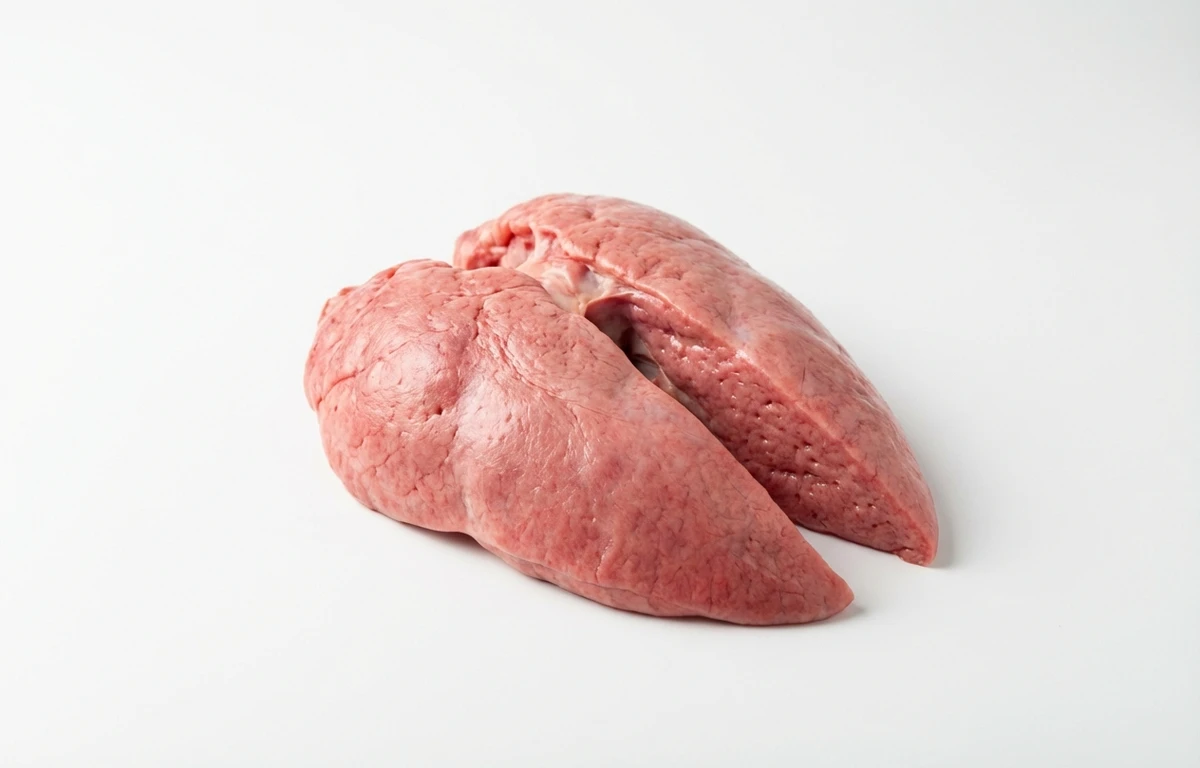
goat lungs.
VegetarianVeganGluten-freeDairy-freeNut-freePeanut-freeSoy-freeEgg-freeShellfish-freeHoney-freeAlcohol-free
ALSO KNOWN AS
mutton lungsgoat lightsbakre ki phephreaatu nuieralmutton phephre
SERVING
CALORIES
92
PROTEIN
16.2g
CARBS
0g
FAT
2.5g
FIBER
0g
This ingredient is flagged as naturally gluten-free. Per 100 g, it provides 1.0 µg of vitamin K.
NUTRITION PROFILE · per 100 g
Everything in this ingredient.
MACRONUTRIENTS
Calories92kcal—
Protein16.2g32%
Carbohydrates0g0%
Fiber0g0%
Sugar0g0%
Total fat2.5g3%
Saturated fat0.80g4%
Trans fat0g—
Cholesterol240mg80%
Water79.5g—
MINERALS
Sodium190mg8%
Potassium245mg5%
Calcium10mg1%
Iron7.8mg43%
Magnesium14mg3%
Phosphorus185mg15%
Zinc1.8mg16%
Copper0.20mg22%
Manganese0.03mg1%
Selenium35µg64%
VITAMINS
Vitamin A15µg2%
Vitamin C32mg36%
Vitamin D0µg0%
Vitamin E0.20mg1%
Vitamin K1.0µg1%
Thiamin (B1)0.05mg4%
Riboflavin (B2)0.25mg19%
Niacin (B3)3.8mg24%
Pantothenic acid (B5)0.70mg14%
Vitamin B60.10mg6%
Biotin (B7)1.8µg6%
Folate (B9)8.0µg2%
Vitamin B124.2µg175%
%DV based on a 2,000 cal diet. Source: USDA FoodData Central. A dash in the %DV column means there’s no established Daily Value for that nutrient.
MEASUREMENT CONVERSIONS
How much is what.
1 oz28.4g
1 lb453.6g
1 piece220g
HEALTH BENEFITS
Why eat it.
- ✓High in Vitamin B12 for nerve function and DNA synthesis
- ✓Low in calories and fat compared to muscle meats
- ✓Rich in Vitamin C, which is rare for animal tissues
- ✓High quality protein for muscle repair
COOKING TIPS
In the kitchen.
- 1Wash thoroughly by running water through the windpipe if still attached
- 2Parboil in salted water with turmeric for 10 minutes to remove impurities before main cooking
- 3Slow cook in curries or stir-fry with strong spices to complement the spongy texture
STORAGE
Keep it fresh.
- Store in the coldest part of the refrigerator for no more than 1-2 days
- Freeze in airtight bags for up to 3-4 months for long-term storage
- Keep raw lungs separate from other foods to prevent cross-contamination
FAQ
Frequently asked questions.
How long do goat lungs last in the fridge?
Fresh goat lungs are highly perishable and should be cooked within 1 to 2 days of purchase.
What do goat lungs taste like?
They have a mild, slightly metallic flavor and a unique, spongy, and airy texture that absorbs sauces well.
How do I clean goat lungs before cooking?
Rinse them thoroughly under cold water. Many traditional recipes suggest boiling them briefly in water with salt and turmeric, then draining the water to remove any 'off' flavors.
Can I freeze goat lungs?
Yes, they can be frozen for 3-4 months. Ensure they are cleaned and patted dry before sealing in an airtight freezer bag.
What is a good substitute for goat lungs?
Lamb lungs are the closest substitute. If lungs are unavailable, other organ meats like heart or kidney can be used, though the texture will differ.
Are goat lungs healthy?
Yes, they are very high in iron and Vitamin B12 while being relatively low in fat, making them a nutrient-dense offal choice.
How do I know if goat lungs are fresh?
Fresh lungs should be bright pinkish-red, firm to the touch, and have a clean, metallic smell. Avoid any that are grey, slimy, or have a strong foul odor.
What are common dishes made with goat lungs?
They are commonly used in 'Boti' curries, stir-fries with onions and peppers, or traditional offal stews in various cultures.
Do goat lungs contain cholesterol?
Yes, like most organ meats, goat lungs are high in cholesterol (about 240mg per 100g), so they should be consumed in moderation.



















