
Dairy1 recipes
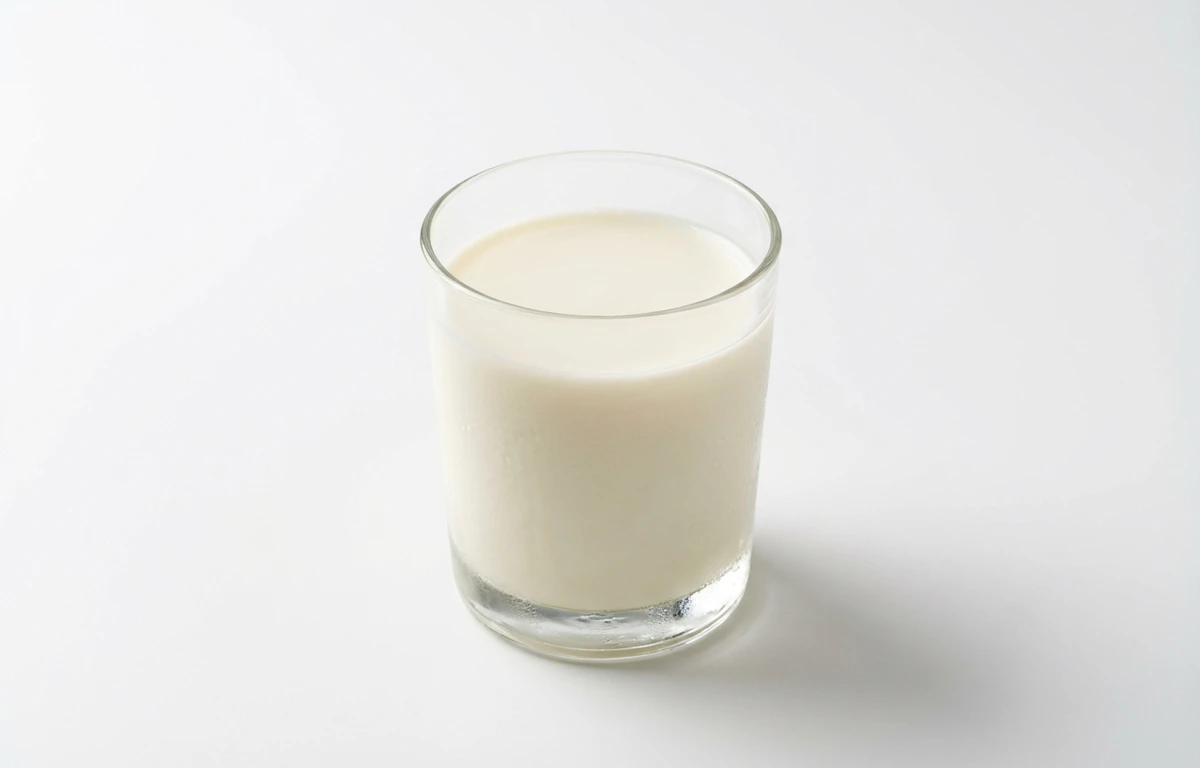
goat milk.
VegetarianVeganGluten-freeDairy-freeNut-freePeanut-freeSoy-freeEgg-freeShellfish-freeHoney-freeAlcohol-free
SERVING
CALORIES
69
PROTEIN
3.6g
CARBS
4.5g
FAT
4.1g
FIBER
0g
NUTRITION PROFILE · per 100 g
Everything in this ingredient.
MACRONUTRIENTS
Calories69kcal—
Protein3.6g7%
Carbohydrates4.5g2%
Fiber0g0%
Sugar4.5g9%
Total fat4.1g5%
Saturated fat2.7g13%
Cholesterol11mg4%
Water87g—
MINERALS
Sodium50mg2%
Potassium204mg4%
Calcium134mg10%
Iron0.05mg0%
Magnesium14mg3%
Phosphorus111mg9%
Zinc0.30mg3%
Copper0.05mg6%
Manganese0.02mg1%
Selenium1.4µg3%
VITAMINS
Vitamin A57µg6%
Vitamin C1.3mg1%
Vitamin D1.3µg7%
Vitamin E0.07mg0%
Vitamin K0.30µg0%
Thiamin (B1)0.05mg4%
Riboflavin (B2)0.14mg11%
Niacin (B3)0.28mg2%
Pantothenic acid (B5)0.31mg6%
Vitamin B60.05mg3%
Folate (B9)1.0µg0%
Vitamin B120.07µg3%
%DV based on a 2,000 cal diet. Source: USDA FoodData Central. A dash in the %DV column means there’s no established Daily Value for that nutrient.
MEASUREMENT CONVERSIONS
How much is what.
1 cup244g
1 tablespoon15.3g
1 teaspoon5.1g
1 ml1g
1 liter1016.7g
HEALTH BENEFITS
Why eat it.
- ✓Easier to digest than cow's milk due to smaller fat globules and lower lactose content.
- ✓Rich in essential nutrients like calcium, phosphorus, magnesium, and potassium.
- ✓Contains A2 casein protein, which may be less inflammatory for some individuals compared to A1 casein found in most cow's milk.
- ✓Higher in medium-chain triglycerides (MCTs), which are easily absorbed for energy and may support healthy cholesterol levels.
COOKING TIPS
In the kitchen.
- 1Use as a 1:1 substitute for cow's milk in recipes, but expect a slightly tangier, more earthy flavor.
- 2Heat gently over low to medium heat and stir often to prevent scorching, as its proteins can be more delicate.
- 3Ideal for making soft cheeses like chèvre, as its unique fat and protein structure creates a creamy, tangy curd.
- 4When making custards or sauces, temper the milk carefully to prevent curdling.
STORAGE
Keep it fresh.
- Refrigerate immediately at or below 40°F (4°C) in its original, tightly sealed container.
- Store away from strong-smelling foods to prevent odor absorption.
- Consume within 5-7 days of opening for optimal freshness and safety.
FAQ
Frequently asked questions.
Is goat milk healthy?
Yes, goat milk is a nutritious alternative to cow's milk, rich in essential nutrients like calcium, phosphorus, magnesium, and potassium. It's often easier to digest due to smaller fat globules and contains A2 casein protein, which some find less inflammatory. It also provides beneficial medium-chain triglycerides (MCTs).
How does the nutrition of goat milk compare to cow's milk?
Per 100g, goat milk has approximately 69 calories, 3.56g protein, 4.45g carbs, and 4.14g fat. While nutritionally similar to cow's milk in terms of macronutrients, goat milk typically has smaller fat globules and a slightly lower lactose content, which can aid digestion. It also contains A2 casein and higher MCTs.
Is goat milk easier to digest than cow's milk?
Many people find goat milk easier to digest than cow's milk. This is primarily due to its smaller fat globules, which form a softer curd in the stomach, and its lower content of alpha-s1 casein, often replaced by A2 casein. It also has slightly less lactose than cow's milk.
Is goat milk lactose-free?
No, goat milk is not lactose-free, but it generally contains slightly less lactose than cow's milk. For individuals with mild lactose intolerance, goat milk might be a more tolerable option, but those with severe intolerance should still exercise caution or choose truly lactose-free alternatives.
Can individuals with a cow's milk allergy consume goat milk?
It depends on the specific allergy. While goat milk contains A2 casein, which some find less problematic, it still contains milk proteins that can trigger an allergic reaction in individuals with a true cow's milk protein allergy. It's best to consult a doctor before trying goat milk if you have a diagnosed cow's milk allergy.
What does goat milk taste like?
Goat milk has a distinct flavor that is often described as slightly sweeter and tangier than cow's milk, with a characteristic 'goaty' or earthy undertone. The intensity of this flavor can vary depending on the goat's breed, diet, and pasteurization process, with fresher, pasteurized milk often having a milder taste.
How can I use goat milk in cooking and baking?
Goat milk can be used as a direct substitute for cow's milk in most recipes, including baking, making sauces, soups, and smoothies. It's excellent for creating creamy dishes, and its unique flavor can add depth to savory recipes or be a delightful base for homemade cheeses and yogurts.
How should I store goat milk?
Goat milk should be stored in the refrigerator at or below 40°F (4°C), just like cow's milk. Keep it in its original sealed container to prevent absorption of other food odors and maintain freshness.
How long does goat milk last once opened?
Once opened, goat milk typically lasts for about 7-10 days when properly refrigerated. Always check the 'best by' date on the packaging and look for any signs of spoilage like off-odor, sour taste, or curdling.
Can goat milk be frozen?
Yes, goat milk can be frozen for up to 3-6 months. While freezing doesn't affect its nutritional value, it may alter the texture slightly, making it a bit grainier or separated upon thawing. It's best used for cooking or baking after thawing rather than drinking directly.
RECIPES
Cook with goat milk.
1 recipes · sorted by what’s quick



















