
Dairy1 recipes
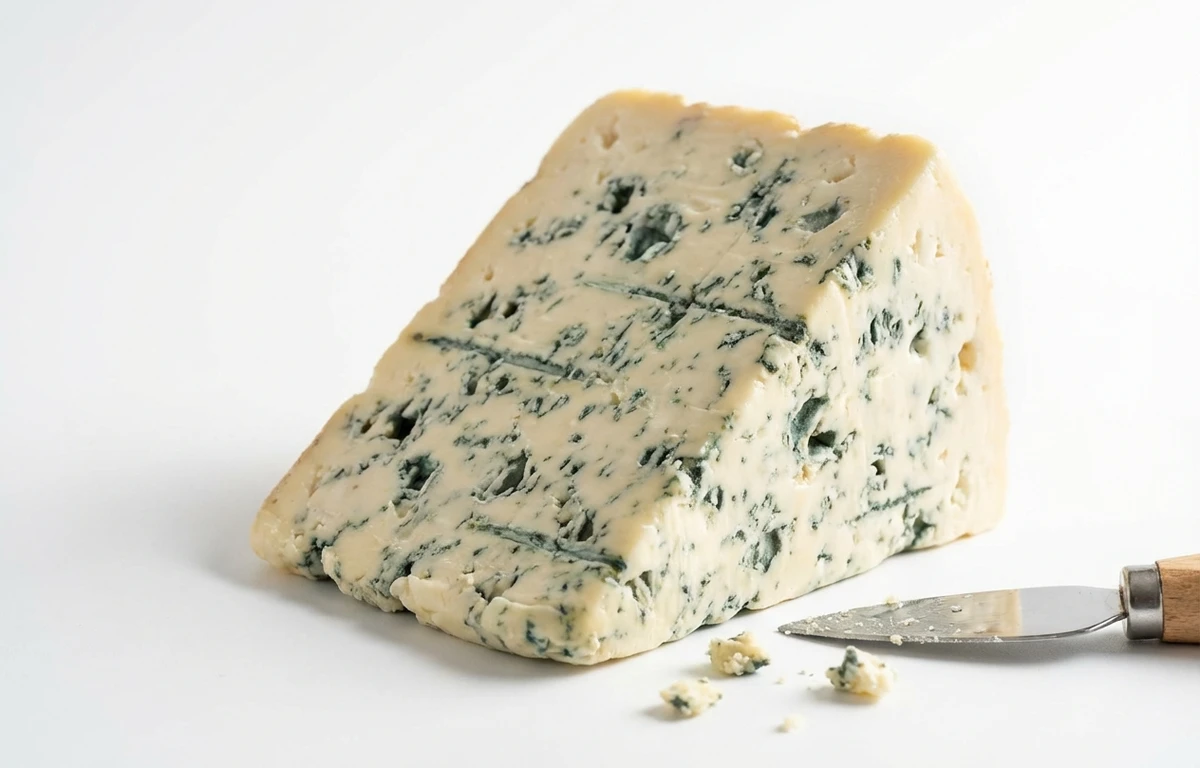
gorgonzola cheese.
VegetarianVeganGluten-freeDairy-freeNut-freePeanut-freeSoy-freeEgg-freeShellfish-freeHoney-freeAlcohol-freeHalalKosherFermented
SERVING
CALORIES
353
PROTEIN
18.5g
CARBS
2.3g
FAT
28.7g
FIBER
0g
NUTRITION PROFILE · per 100 g
Everything in this ingredient.
MACRONUTRIENTS
Calories353kcal—
Protein18.5g37%
Carbohydrates2.3g1%
Fiber0g0%
Sugar0.50g1%
Total fat28.7g37%
Saturated fat18.7g94%
Trans fat0.90g—
Cholesterol75mg25%
Water42.4g—
MINERALS
Sodium1145mg50%
Potassium121mg3%
Calcium528mg41%
Iron0.30mg2%
Magnesium23mg5%
Phosphorus387mg31%
Zinc2.7mg25%
Copper0.04mg4%
Manganese0.01mg0%
Selenium14.5µg26%
VITAMINS
Vitamin A198µg22%
Vitamin C0mg0%
Vitamin D0.50µg3%
Vitamin E0.25mg2%
Vitamin K2.4µg2%
Thiamin (B1)0.03mg3%
Riboflavin (B2)0.38mg29%
Niacin (B3)1.0mg6%
Pantothenic acid (B5)1.2mg24%
Vitamin B60.17mg10%
Folate (B9)36µg9%
Vitamin B121.2µg51%
%DV based on a 2,000 cal diet. Source: USDA FoodData Central. A dash in the %DV column means there’s no established Daily Value for that nutrient.
MEASUREMENT CONVERSIONS
How much is what.
1 cup135g
1 tablespoon9g
1 oz28.4g
1 lb453.6g
HEALTH BENEFITS
Why eat it.
- ✓Excellent source of calcium for bone health
- ✓High protein content for muscle maintenance
- ✓Contains beneficial probiotics from the fermentation process
- ✓Rich in Vitamin B12 for nerve function
- ✓Provides essential minerals like phosphorus and zinc
COOKING TIPS
In the kitchen.
- 1Bring to room temperature for 30 minutes before serving to enhance flavor and texture
- 2Add to hot sauces or polenta at the very end of cooking to maintain its creamy profile
- 3Crumble over salads or pizzas just before serving for a sharp flavor contrast
STORAGE
Keep it fresh.
- Wrap tightly in foil or wax paper to prevent the cheese from drying out
- Store in the coldest part of the refrigerator, typically the vegetable drawer
- Keep away from other foods as its strong aroma can be easily absorbed
FAQ
Frequently asked questions.
How long does Gorgonzola last in the fridge?
When properly wrapped, Gorgonzola typically lasts 1 to 2 weeks in the refrigerator.
Can Gorgonzola cheese be frozen?
Yes, but the texture will become crumbly and lose some creaminess. It is best used for cooking after thawing.
What is the difference between Gorgonzola Dolce and Piccante?
Dolce is aged for a shorter time and is sweeter and creamier, while Piccante is aged longer, resulting in a sharper, firmer, and more crumbly cheese.
How can I tell if Gorgonzola has gone bad?
Look for pink or orange mold, a slimy texture, or an ammonia-like smell that is much stronger than its usual pungent aroma.
What are the best substitutes for Gorgonzola?
Roquefort, Stilton, or any high-quality Danish Blue cheese are excellent alternatives depending on the desired sharpness.
Is Gorgonzola naturally gluten-free?
Yes, Gorgonzola is naturally gluten-free, though always check labels for potential cross-contamination during processing.
What foods pair well with Gorgonzola?
It pairs beautifully with sweet items like honey, pears, walnuts, and full-bodied red wines or dessert wines.
Is Gorgonzola suitable for vegetarians?
While it is dairy, traditional Gorgonzola often uses animal rennet. Vegetarians should look for brands specifically labeled as using microbial or vegetable rennet.
RECIPES
Cook with gorgonzola cheese.
1 recipes · sorted by what’s quick



















