
Other
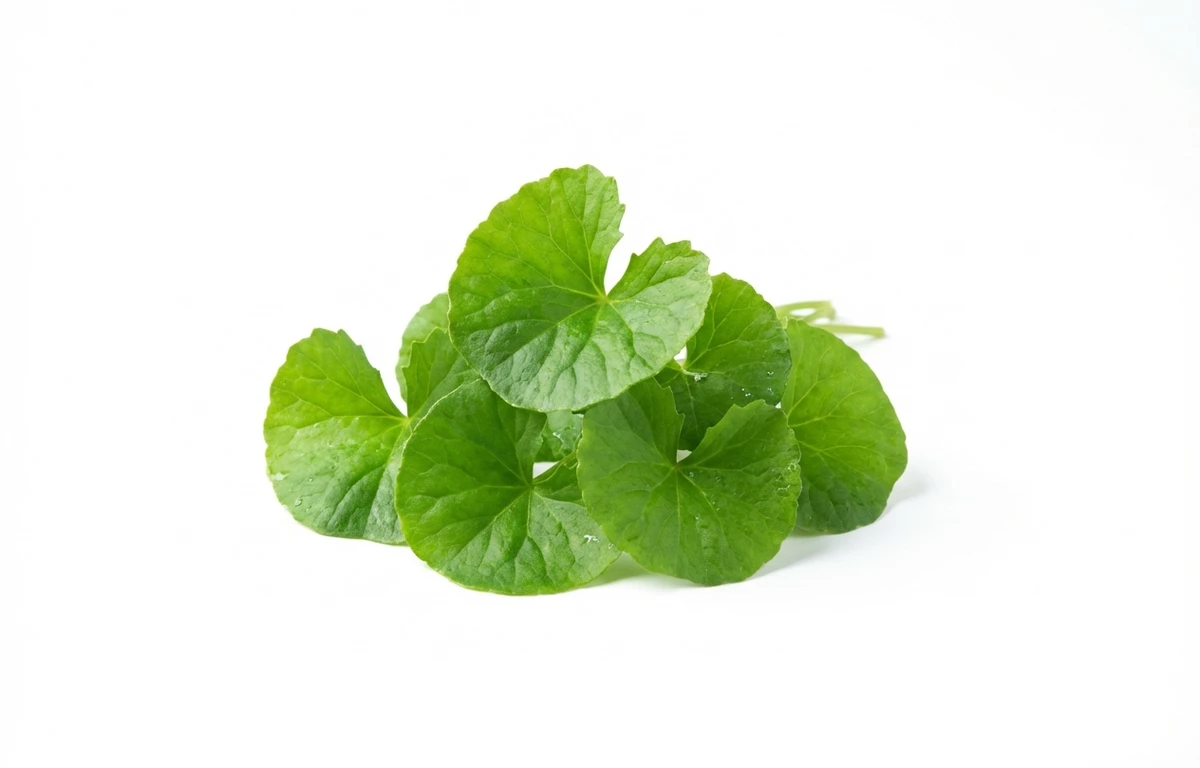
gotu kola.
VegetarianVeganGluten-freeDairy-freeNut-freePeanut-freeSoy-freeEgg-freeShellfish-freeHoney-freeAlcohol-free
ALSO KNOWN AS
centella asiaticaindian pennywortasiatic pennywortvallaraimandukaparnipegaganspadeleaf
SERVING
CALORIES
37
PROTEIN
2.0g
CARBS
6.7g
FAT
0.20g
FIBER
1.5g
This ingredient is flagged as naturally gluten-free. Per 100 g, it provides 230 µg of vitamin K.
NUTRITION PROFILE · per 100 g
Everything in this ingredient.
MACRONUTRIENTS
Calories37kcal—
Protein2.0g4%
Carbohydrates6.7g2%
Fiber1.5g5%
Sugar0.10g0%
Total fat0.20g0%
Saturated fat0.04g0%
Trans fat0g—
Cholesterol0mg0%
Water88g—
MINERALS
Sodium35mg2%
Potassium390mg8%
Calcium171mg13%
Iron5.6mg31%
Magnesium45mg11%
Phosphorus32mg3%
Zinc0.60mg5%
Copper0.15mg17%
Manganese0.50mg22%
Selenium0.80µg1%
VITAMINS
Vitamin A420µg47%
Vitamin C15mg17%
Vitamin D0µg0%
Vitamin E1.2mg8%
Vitamin K230µg192%
Thiamin (B1)0.15mg13%
Riboflavin (B2)0.14mg11%
Niacin (B3)1.2mg8%
Pantothenic acid (B5)0.30mg6%
Vitamin B60.10mg6%
Folate (B9)40µg10%
Vitamin B120µg0%
%DV based on a 2,000 cal diet. Source: USDA FoodData Central. A dash in the %DV column means there’s no established Daily Value for that nutrient.
MEASUREMENT CONVERSIONS
How much is what.
1 cup25g
1 tablespoon4.5g
1 teaspoon1.5g
1 oz28.4g
1 lb453.6g
1 piece0.5g
HEALTH BENEFITS
Why eat it.
- ✓Supports cognitive function and memory
- ✓Promotes wound healing and skin health
- ✓May reduce anxiety and stress levels
- ✓Improves blood circulation and reduces swelling
COOKING TIPS
In the kitchen.
- 1Wash thoroughly in cold water to remove any soil or grit
- 2Add to salads raw or blend into juices and smoothies to preserve nutrients
- 3If cooking, add at the very end of the process to prevent loss of flavor and color
STORAGE
Keep it fresh.
- Wrap in a damp paper towel and store in a sealed plastic bag in the refrigerator
- Keep away from the coldest part of the fridge to prevent wilting
- Best used within 3-5 days of purchase for maximum freshness
FAQ
Frequently asked questions.
How long does fresh gotu kola last?
When stored properly in the refrigerator wrapped in a damp cloth, it typically lasts 3 to 5 days.
Can I freeze gotu kola?
It is not recommended to freeze raw leaves as they become mushy; however, you can freeze it as a blended puree in ice cube trays.
What does gotu kola taste like?
It has a mild, slightly bitter, and grassy flavor with a hint of cucumber-like freshness.
How do I select the best gotu kola?
Look for vibrant green, crisp leaves without yellowing, dark spots, or signs of wilting.
Is gotu kola the same as Brahmi?
In some regions, it is called Brahmi, but it is botanically different from Bacopa monnieri, which is also commonly known as Brahmi.
How is gotu kola typically consumed?
It is often eaten raw in salads (like Sri Lankan Sambol), juiced, or brewed into a herbal tea.
Are there any side effects of eating gotu kola?
While generally safe in culinary amounts, excessive consumption may cause headaches or dizziness in some individuals.
Is gotu kola high in vitamins?
Yes, it is particularly high in Vitamin K, Vitamin A (as beta-carotene), and Vitamin C.
Can I eat the stems of gotu kola?
Yes, the tender stems are edible and contain similar nutrients to the leaves.



















