
Vegetable
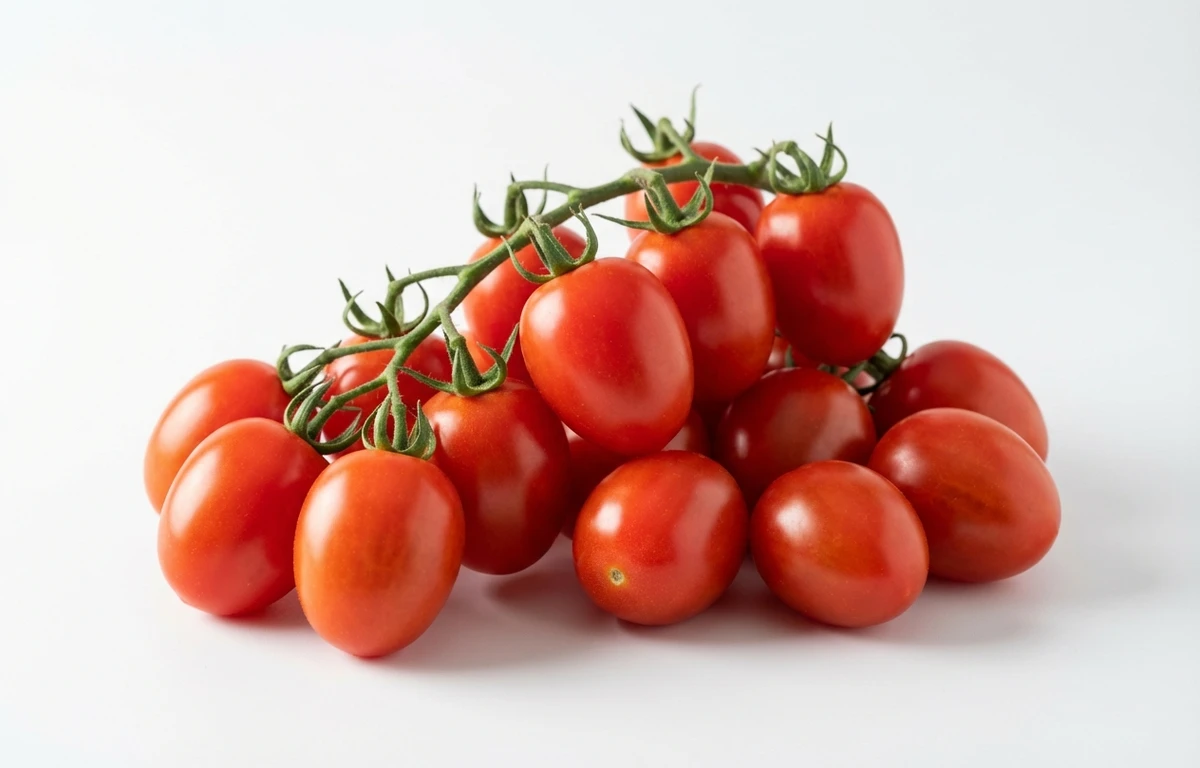
grape tomatoes.
VegetarianVeganGluten-freeDairy-freeNut-freePeanut-freeSoy-freeEgg-freeShellfish-freeHoney-freeAlcohol-freeHalalKosher
SERVING
CALORIES
18
PROTEIN
0.90g
CARBS
3.9g
FAT
0.20g
FIBER
1.2g
This ingredient is flagged as naturally gluten-free. Per 100 g, it provides 7.9 µg of vitamin K.
NUTRITION PROFILE · per 100 g
Everything in this ingredient.
MACRONUTRIENTS
Calories18kcal—
Protein0.90g2%
Carbohydrates3.9g1%
Fiber1.2g4%
Sugar2.6g5%
Total fat0.20g0%
Saturated fat0.03g0%
Trans fat0g—
Cholesterol0mg0%
Water94.5g—
MINERALS
Sodium5.0mg0%
Potassium237mg5%
Calcium10mg1%
Iron0.30mg2%
Magnesium11mg3%
Phosphorus24mg2%
Zinc0.17mg2%
Copper0.06mg7%
Manganese0.11mg5%
Selenium0µg0%
VITAMINS
Vitamin A42µg5%
Vitamin C13.7mg15%
Vitamin D0µg0%
Vitamin E0.54mg4%
Vitamin K7.9µg7%
Thiamin (B1)0.04mg3%
Riboflavin (B2)0.02mg2%
Niacin (B3)0.60mg4%
Pantothenic acid (B5)0.09mg2%
Vitamin B60.08mg5%
Folate (B9)15µg4%
Vitamin B120µg0%
%DV based on a 2,000 cal diet. Source: USDA FoodData Central. A dash in the %DV column means there’s no established Daily Value for that nutrient.
MEASUREMENT CONVERSIONS
How much is what.
1 cup149g
1 tablespoon9.3g
1 teaspoon3.1g
1 ml0.6g
1 liter620.7g
1 piece8g
HEALTH BENEFITS
Why eat it.
- ✓Provides Vitamin A and potassium, important for vision health and blood pressure regulation.
COOKING TIPS
In the kitchen.
- 1Roast whole with olive oil, salt, and herbs at 400°F (200°C) until they burst to concentrate their sweetness for pasta sauces or side dishes.
- 2Slice in half and add raw to salads, wraps, and sandwiches for a fresh, juicy bite.
- 3Sauté in a hot pan with garlic until they begin to blister, creating a quick and simple sauce for chicken or fish.
- 4Skewer them whole for grilling or broiling, often paired with other vegetables like zucchini, onions, and bell peppers.
STORAGE
Keep it fresh.
- Store at room temperature away from direct sunlight for the best flavor and texture, for up to one week.
- Avoid refrigeration, as cold temperatures can make them mealy and dull their taste. Only refrigerate if overripe to prevent spoilage.
FAQ
Frequently asked questions.
How many calories and carbs are in grape tomatoes?
Per 100g, grape tomatoes contain approximately 18 calories and 3.9g of carbohydrates. They are very low in fat (0.2g) and provide a small amount of protein (0.9g), making them a light and nutritious addition to any meal.
Are grape tomatoes vegan and gluten-free?
Yes, grape tomatoes are naturally vegan as they are a plant-based fruit. They are also naturally gluten-free, making them suitable for individuals following vegan or gluten-free diets without any concerns.
Are grape tomatoes keto-friendly?
Yes, grape tomatoes can be included in a keto diet in moderation. While they contain some carbs (3.9g per 100g), their low calorie and high nutrient profile makes them a better choice than many other fruits. Always account for net carbs in your daily intake.
How do you cook or use grape tomatoes?
Grape tomatoes are incredibly versatile. They can be eaten raw in salads, roasted with herbs and olive oil, sautéed into pasta sauces, added to skewers for grilling, or even blended into fresh salsas and gazpachos. Their small size makes them convenient for many dishes.
What do grape tomatoes taste like?
Grape tomatoes have a sweet, slightly tangy flavor with a firm, juicy texture. They are generally sweeter than larger slicing tomatoes and have a satisfying 'pop' when bitten into, making them a popular choice for snacking and salads.
How do you store grape tomatoes?
Store grape tomatoes at room temperature, away from direct sunlight, for optimal flavor and texture. Refrigeration can make them mealy and diminish their taste. If they are very ripe, you can refrigerate them for a few days to extend their shelf life, but bring them to room temperature before eating.
How do you know if grape tomatoes are fresh or spoiled?
Fresh grape tomatoes should be firm, plump, and brightly colored with smooth skin. Avoid any that are soft, wrinkled, bruised, or have mold. A spoiled grape tomato will also have a sour or fermented smell and may appear shriveled.



















