
Oil
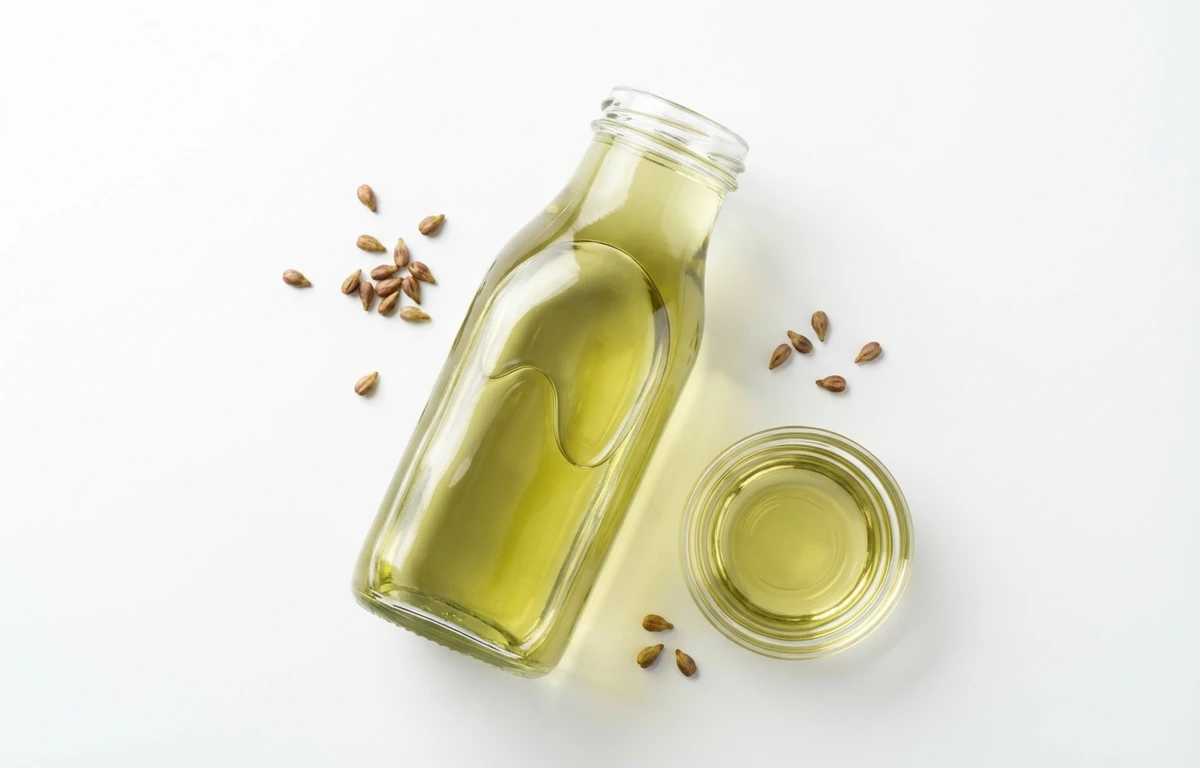
grapeseed oil.
VegetarianVeganGluten-freeDairy-freeNut-freePeanut-freeSoy-freeEgg-freeShellfish-freeHoney-freeAlcohol-free
SERVING
CALORIES
884
PROTEIN
0g
CARBS
0g
FAT
100g
FIBER
0g
NUTRITION PROFILE · per 100 g
Everything in this ingredient.
MACRONUTRIENTS
Calories884kcal—
Protein0g0%
Carbohydrates0g0%
Fiber0g0%
Sugar0g0%
Total fat100g128%
Saturated fat9.6g48%
Cholesterol0mg0%
Water0g—
MINERALS
Sodium0mg0%
Potassium0mg0%
Calcium0mg0%
Iron0mg0%
Magnesium0mg0%
Phosphorus0mg0%
Zinc0mg0%
Selenium0µg0%
VITAMINS
Vitamin A0µg0%
Vitamin C0mg0%
Vitamin E28.8mg192%
Thiamin (B1)0mg0%
Riboflavin (B2)0mg0%
Niacin (B3)0mg0%
Pantothenic acid (B5)0mg0%
Vitamin B60mg0%
Folate (B9)0µg0%
Vitamin B120µg0%
%DV based on a 2,000 cal diet. Source: USDA FoodData Central. A dash in the %DV column means there’s no established Daily Value for that nutrient.
MEASUREMENT CONVERSIONS
How much is what.
1 cup218g
1 tablespoon13.6g
1 teaspoon4.5g
1 ml0.9g
1 liter906.7g
HEALTH BENEFITS
Why eat it.
- ✓High in polyunsaturated fats, particularly omega-6 linoleic acid, which can support heart health when part of a balanced diet.
- ✓Excellent source of Vitamin E, a powerful antioxidant that helps protect cells from oxidative damage.
- ✓Contains beneficial plant compounds like proanthocyanidins, which may have anti-inflammatory properties.
COOKING TIPS
In the kitchen.
- 1With a high smoke point (around 420°F / 216°C), it is ideal for high-heat cooking methods like searing, frying, and sautéing.
- 2Its clean, neutral flavor makes it a versatile choice for salad dressings, marinades, and homemade mayonnaise, as it won't overpower other ingredients.
- 3Use as a substitute for vegetable or canola oil in baking for a light texture in cakes and muffins.
STORAGE
Keep it fresh.
- Store in a cool, dark place away from direct sunlight and heat, such as a pantry, to prevent it from going rancid.
- Keep the cap tightly sealed to minimize exposure to oxygen, which can degrade the oil's quality over time.
- For longer shelf life, it can be refrigerated, though it may become cloudy and solidify; let it return to room temperature before use.
FAQ
Frequently asked questions.
Is grapeseed oil healthy?
Grapeseed oil is considered healthy due to its high content of polyunsaturated fats, particularly omega-6 linoleic acid, which can support heart health when consumed as part of a balanced diet. It's also an excellent source of Vitamin E, a powerful antioxidant that helps protect cells from oxidative damage. Additionally, it contains beneficial plant compounds like proanthocyanidins, which may have anti-inflammatory properties.
What are the nutritional facts for grapeseed oil?
Per 100g, grapeseed oil contains 884 calories, 0g protein, 0g carbohydrates, and 100g fat. The fat content is primarily polyunsaturated (around 70%), with a significant amount of monounsaturated fat (around 16%) and a small amount of saturated fat (around 10%).
Is grapeseed oil good for weight loss?
While grapeseed oil contains healthy fats, it is very calorie-dense, like all oils, providing 884 calories per 100g. Consuming it in moderation as part of a calorie-controlled diet is key for weight management. Its healthy fat profile can contribute to satiety, but excessive use will lead to calorie surplus.
Is grapeseed oil vegan and gluten-free?
Yes, grapeseed oil is both vegan and naturally gluten-free. It is derived solely from the seeds of grapes, making it a plant-based product with no animal ingredients or gluten-containing grains.
Is grapeseed oil keto-friendly?
Yes, grapeseed oil is keto-friendly. It is 100% fat with no carbohydrates or protein, making it an ideal fat source for those following a ketogenic diet. It can be used in cooking, dressings, and marinades to increase fat intake.
What is grapeseed oil best used for in cooking?
Grapeseed oil is highly versatile in cooking due to its neutral flavor and high smoke point, which is typically around 420°F (216°C). This makes it excellent for high-heat cooking methods like sautéing, frying, and baking. It's also suitable for salad dressings, marinades, and homemade mayonnaise where a light, clean taste is desired.
What does grapeseed oil taste like?
Grapeseed oil has a very light, clean, and neutral flavor. It does not impart a strong taste to dishes, making it a popular choice when you want the other ingredients' flavors to shine through. This neutrality is why it's often favored in baking and delicate dressings.
How should I store grapeseed oil?
To maintain its freshness and prevent rancidity, grapeseed oil should be stored in a cool, dark place away from direct sunlight and heat. Keep the bottle tightly sealed when not in use to minimize exposure to air. Refrigeration is not typically necessary but can extend its shelf life after opening.
How long does grapeseed oil last?
Unopened grapeseed oil can typically last for 1-2 years when stored properly. Once opened, it's best to use it within 6-12 months, as exposure to air and light can cause it to go rancid more quickly. Check for any off odors or flavors as signs of spoilage.
What is the smoke point of grapeseed oil?
Grapeseed oil has a relatively high smoke point, typically ranging from 420°F to 450°F (216°C to 232°C). This high smoke point makes it an excellent choice for high-heat cooking applications such as deep-frying, stir-frying, and searing, as it can withstand high temperatures without breaking down and producing harmful compounds.



















