
Vegetable
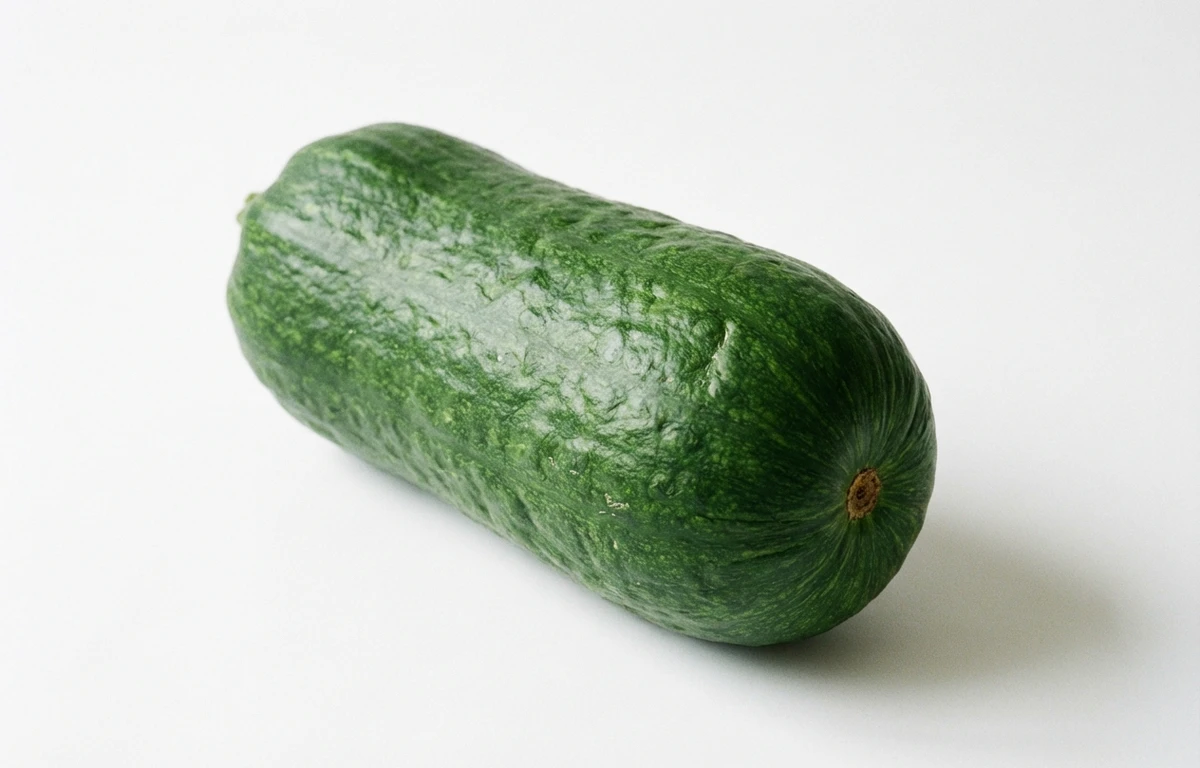
green cylindrical pumpkin.
VegetarianVeganGluten-freeDairy-freeNut-freePeanut-freeSoy-freeEgg-freeShellfish-freeHoney-freeAlcohol-freeHalalKosher
SERVING
CALORIES
25
PROTEIN
0.87g
CARBS
4.2g
FAT
0.18g
FIBER
2.5g
This ingredient is flagged as naturally gluten-free. Per 100 g, it provides 80.8 µg of vitamin K.
NUTRITION PROFILE · per 100 g
Everything in this ingredient.
MACRONUTRIENTS
Calories24.6kcal—
Protein0.87g2%
Carbohydrates4.2g2%
Fiber2.5g9%
Sugar2.9g6%
Total fat0.18g0%
Saturated fat0.05g0%
Trans fat0g—
Cholesterol0mg0%
Water91.7g—
MINERALS
Sodium5.2mg0%
Potassium186mg4%
Calcium24.1mg2%
Iron0.29mg2%
Magnesium13.3mg3%
Phosphorus24.5mg2%
Zinc0.14mg1%
Copper0.04mg4%
Manganese0.08mg3%
Selenium0.34µg1%
VITAMINS
Vitamin A427µg47%
Vitamin C7.3mg8%
Vitamin D1.1µg5%
Vitamin E0.87mg6%
Vitamin K80.8µg67%
Thiamin (B1)0.03mg3%
Riboflavin (B2)0.02mg2%
Niacin (B3)0.44mg3%
Pantothenic acid (B5)0.16mg3%
Vitamin B60.05mg3%
Biotin (B7)1.4µg5%
Folate (B9)31.6µg8%
%DV based on a 2,000 cal diet. Source: USDA FoodData Central. A dash in the %DV column means there’s no established Daily Value for that nutrient.
MEASUREMENT CONVERSIONS
How much is what.
1 cup166g
1 tablespoon10.4g
1 teaspoon3.5g
1 oz28.4g
1 lb453.6g
1 ml0.7g
1 liter700g
1 piece200g
HEALTH BENEFITS
Why eat it.
- ✓Low in calories and carbohydrates, making it suitable for various low-carb diets.
COOKING TIPS
In the kitchen.
- 1Can be eaten raw in salads or cooked; versatile methods include grilling, roasting, sautéing, and spiralizing into noodles.
- 2The skin is thin, edible, and nutritious; it's generally not necessary to peel it before cooking.
- 3Avoid overcooking, as it can become watery and mushy. Cook until just tender-crisp for the best texture.
- 4Due to its high water content, you can salt sliced zucchini and let it sit for 15-20 minutes to draw out excess moisture before cooking, especially for sautés or gratins.
STORAGE
Keep it fresh.
- Store unwashed in a perforated plastic bag in the refrigerator's crisper drawer for up to one week.
- For longer storage, blanch slices or shredded pieces for two minutes, then cool in an ice bath and freeze in an airtight container for up to 3 months.
FAQ
Frequently asked questions.
How many calories and carbohydrates are in green cylindrical pumpkin?
Per 100 grams, green cylindrical pumpkin contains approximately 24.62 calories and 4.22 grams of carbohydrates. This makes it a very low-calorie and low-carb vegetable, suitable for various dietary plans.
Is green cylindrical pumpkin keto-friendly or low-carb?
Yes, with only 4.22 grams of carbohydrates per 100 grams, green cylindrical pumpkin is considered very low-carb and suitable for ketogenic diets. It's a versatile vegetable to include in low-carb meal plans without significantly impacting carb counts.
How do you cook green cylindrical pumpkin?
Green cylindrical pumpkin is very versatile. It can be grilled, roasted, sautéed, steamed, or even spiralized into 'noodles.' It cooks quickly and absorbs flavors well, making it suitable for stir-fries, casseroles, or as a simple side dish.
Do I need to peel green cylindrical pumpkin before cooking?
Generally, no. The skin of green cylindrical pumpkin is thin and tender, especially when young, and is perfectly edible and nutritious. Washing it thoroughly is usually sufficient before cooking or eating raw, as the skin adds fiber and nutrients.
What does green cylindrical pumpkin taste like?
Green cylindrical pumpkin has a mild, slightly sweet, and earthy flavor. Its texture is tender when cooked, making it a versatile ingredient that readily takes on the flavors of other ingredients it's cooked with, similar to zucchini or summer squash.



















