
Other
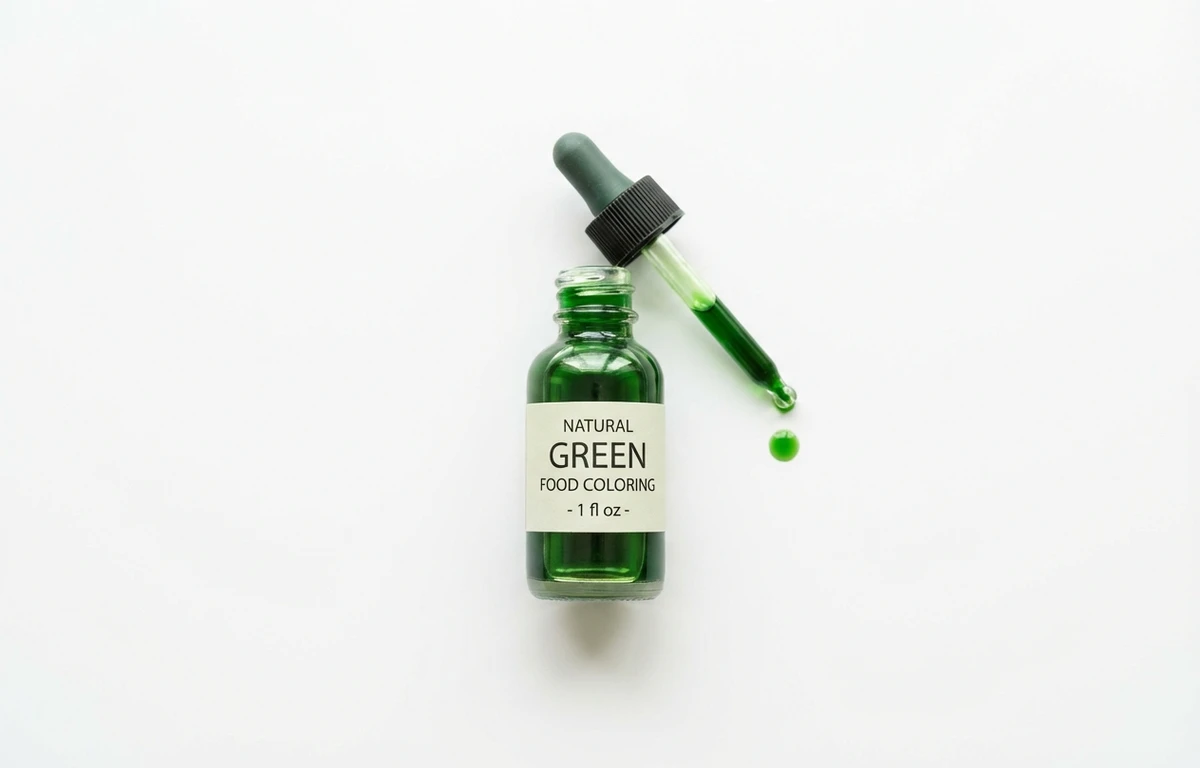
green food coloring.
VegetarianVeganGluten-freeDairy-freeNut-freePeanut-freeSoy-freeEgg-freeShellfish-freeHoney-freeAlcohol-free
ALSO KNOWN AS
green food dyeliquid green color
SERVING
CALORIES
45
PROTEIN
0g
CARBS
11.2g
FAT
0g
FIBER
0g
This ingredient is flagged as naturally gluten-free. Per 100 g, it provides 0 µg of vitamin K.
NUTRITION PROFILE · per 100 g
Everything in this ingredient.
MACRONUTRIENTS
Calories45kcal—
Protein0g0%
Carbohydrates11.2g4%
Fiber0g0%
Sugar0g0%
Total fat0g0%
Saturated fat0g0%
Trans fat0g—
Cholesterol0mg0%
Water88.5g—
MINERALS
Sodium65mg3%
Potassium2.0mg0%
VITAMINS
Vitamin A0µg0%
Vitamin C0mg0%
Vitamin D0µg0%
Vitamin E0mg0%
Vitamin K0µg0%
Thiamin (B1)0mg0%
Riboflavin (B2)0mg0%
Niacin (B3)0mg0%
Pantothenic acid (B5)0mg0%
Vitamin B60mg0%
Folate (B9)0µg0%
Vitamin B120µg0%
%DV based on a 2,000 cal diet. Source: USDA FoodData Central. A dash in the %DV column means there’s no established Daily Value for that nutrient.
MEASUREMENT CONVERSIONS
How much is what.
1 cup245g
1 tablespoon15g
1 teaspoon5g
1 oz28.4g
1 lb453.6g
1 ml1g
1 liter1050g
HEALTH BENEFITS
Why eat it.
- ✓Enhances visual appeal of culinary creations
- ✓Allows for creative food decoration
- ✓Helps in identifying flavors visually
- ✓Useful for themed celebrations and holidays
- ✓Provides consistent coloring results in baking
COOKING TIPS
In the kitchen.
- 1Add one drop at a time to reach the desired shade
- 2Mix thoroughly into liquids or batters to avoid streaks
- 3Use gel-based coloring for more intense color without thinning the batter
STORAGE
Keep it fresh.
- Store in a cool, dry place away from direct sunlight
- Ensure the cap is tightly sealed after every use
- Keep away from high heat sources to prevent evaporation
FAQ
Frequently asked questions.
How long does green food coloring last?
Liquid food coloring typically lasts 2 to 4 years if stored in a cool, dark place with the lid tightly sealed.
Is green food coloring vegan?
Most synthetic green food colorings (usually a blend of Yellow 5 and Blue 1) are vegan as they do not contain animal products.
What are natural substitutes for green food coloring?
Matcha powder, spinach juice, liquid chlorophyll, or spirulina powder can be used as natural green alternatives.
Can I use liquid green food coloring in chocolate?
No, standard liquid food coloring is water-based and will cause chocolate to seize. Use oil-based candy colors for chocolate.
Will green food coloring change the flavor of my food?
In small amounts, it is tasteless. However, using excessive amounts of certain dyes can impart a slightly bitter aftertaste.
How do I remove green food coloring stains from skin?
Wash the area with warm soapy water, or rub with a mixture of baking soda and water or lemon juice.
What is the difference between liquid and gel green food coloring?
Liquid is more diluted and better for light tints; gel is highly concentrated and better for vibrant colors without adding moisture.
Is green food coloring gluten-free?
Most commercial food colorings are gluten-free, but always check the label for cross-contamination warnings or hidden wheat-based carriers.
Can I mix other colors to make green?
Yes, you can create green by mixing equal parts of yellow and blue food coloring.
Does green food coloring expire?
While it doesn't 'spoil' in a way that makes it unsafe, it can lose its potency, change color, or develop mold if contaminated.



















