
Vegetable
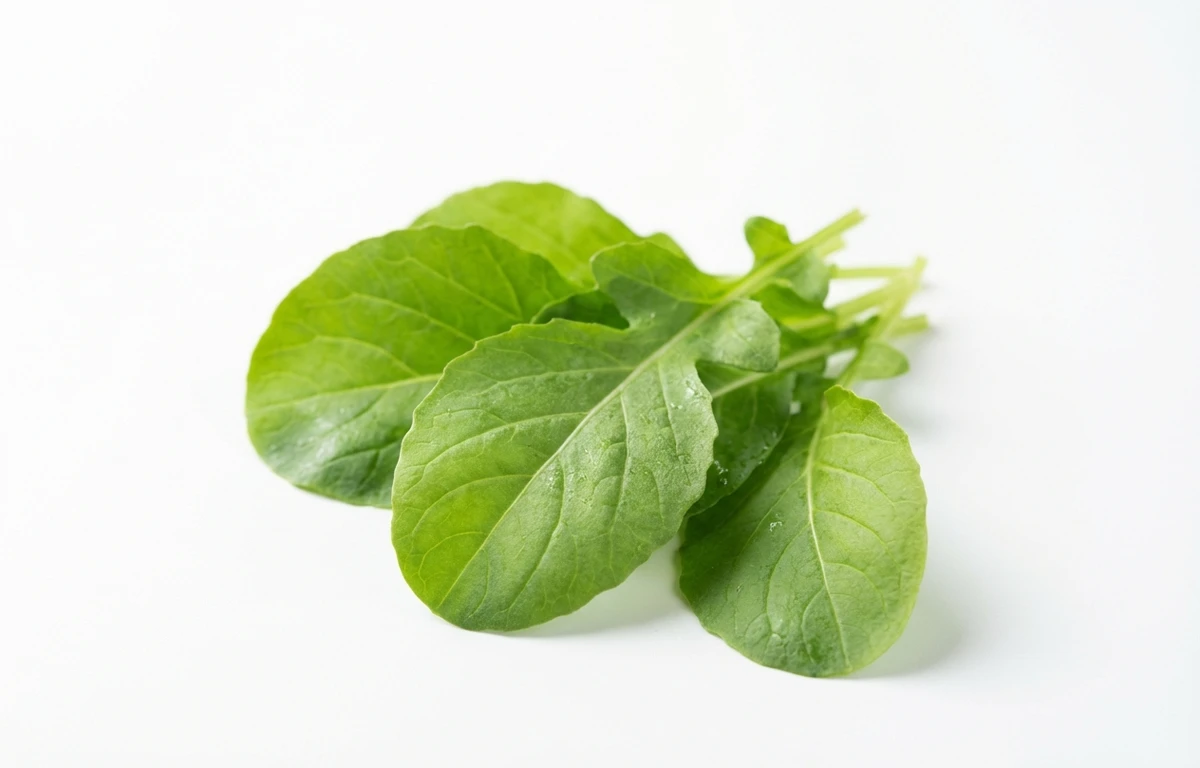
green gogu leaves.
VegetarianVeganGluten-freeDairy-freeNut-freePeanut-freeSoy-freeEgg-freeShellfish-freeHoney-freeAlcohol-free
SERVING
CALORIES
36
PROTEIN
1.9g
CARBS
4.1g
FAT
1.1g
FIBER
4.6g
This ingredient is flagged as naturally gluten-free. Per 100 g, it provides 433 µg of vitamin K.
NUTRITION PROFILE · per 100 g
Everything in this ingredient.
MACRONUTRIENTS
Calories36.3kcal—
Protein1.9g4%
Carbohydrates4.1g1%
Fiber4.6g16%
Sugar0.01g0%
Total fat1.1g1%
Saturated fat0.25g1%
Trans fat0g—
Cholesterol0mg0%
Water87.4g—
MINERALS
Sodium12.3mg1%
Potassium260mg6%
Calcium145mg11%
Iron7.7mg43%
Magnesium83.1mg20%
Phosphorus42mg3%
Zinc0.65mg6%
Copper0.23mg26%
Manganese2.0mg88%
Selenium2.4µg4%
VITAMINS
Vitamin A5285µg587%
Vitamin C29.6mg33%
Vitamin D4.3µg21%
Vitamin E0.50mg3%
Vitamin K433µg361%
Thiamin (B1)0.13mg11%
Riboflavin (B2)0.06mg5%
Niacin (B3)0.58mg4%
Pantothenic acid (B5)0.70mg14%
Vitamin B60.33mg19%
Biotin (B7)3.4µg11%
Folate (B9)74.9µg19%
%DV based on a 2,000 cal diet. Source: USDA FoodData Central. A dash in the %DV column means there’s no established Daily Value for that nutrient.
MEASUREMENT CONVERSIONS
How much is what.
1 cup35g
1 tablespoon2.2g
1 teaspoon0.7g
1 oz28.4g
1 lb453.6g
1 ml0.1g
1 liter148g
COOKING TIPS
In the kitchen.
- 1Embrace their distinct sour flavor, which is excellent for making pickles (Gongura pachadi), tangy lentil stews (dal), and curries with meat like mutton or chicken.
- 2To balance the tartness, cook the leaves with ingredients like onions, green chilies, and spices. The sourness mellows significantly upon cooking.
- 3Avoid cooking gogu leaves in iron or aluminum pots, as their high acidity can react with the metal, discoloring the dish and imparting a metallic taste. Use stainless steel or non-stick cookware instead.
- 4The leaves wilt down considerably when cooked, similar to spinach, so use a generous amount for your recipes.
STORAGE
Keep it fresh.
- For short-term storage, wrap unwashed leaves in a paper towel, place in a perforated plastic bag, and store in the refrigerator's crisper drawer for up to 5-7 days.
- For long-term storage, blanch the leaves for 2 minutes, cool them in an ice bath, drain thoroughly, and freeze in an airtight container or freezer bag for up to 6 months.
FAQ
Frequently asked questions.
How many calories are in green gogu leaves?
Green gogu leaves are very low in calories, with approximately 36.33 calories per 100 grams. They also provide about 1.86g protein, 4.06g carbohydrates, and 1.09g fat per 100g, making them a nutrient-dense, low-calorie vegetable.
Are green gogu leaves vegan/vegetarian?
Yes, green gogu leaves are a plant-based ingredient, making them naturally vegan and vegetarian. They are a great addition to plant-based diets, offering essential vitamins and minerals without any animal products.
Are green gogu leaves keto-friendly or low-carb?
With approximately 4.06g of carbohydrates per 100g, green gogu leaves can be considered relatively low-carb. While not as low as some other leafy greens, they can be incorporated in moderation into a keto or low-carb diet, especially given their high fiber content.
How do you cook green gogu leaves?
Green gogu leaves are versatile and can be cooked in various ways. They are often used in curries, dals, and stir-fries, particularly in South Indian cuisine. They can also be blanched, sautéed, or added to soups and stews to impart their unique tangy flavor.
What do green gogu leaves taste like?
Green gogu leaves have a distinct tangy or sour taste, which is their defining characteristic. This tartness makes them a popular ingredient for adding a unique flavor profile to dishes, often balancing richness in curries and stews.
How do you store green gogu leaves?
To keep green gogu leaves fresh, store them in a perforated plastic bag or wrapped in a damp paper towel in the crisper drawer of your refrigerator. They typically last for 3-5 days when stored properly, maintaining their freshness and flavor.
Can green gogu leaves be eaten raw?
While traditionally cooked to mellow their tartness and improve digestibility, green gogu leaves can technically be eaten raw in small quantities, perhaps finely chopped in salads. However, cooking is generally preferred to enhance their flavor and texture, and reduce their oxalic acid content.



















