
Other1 recipes
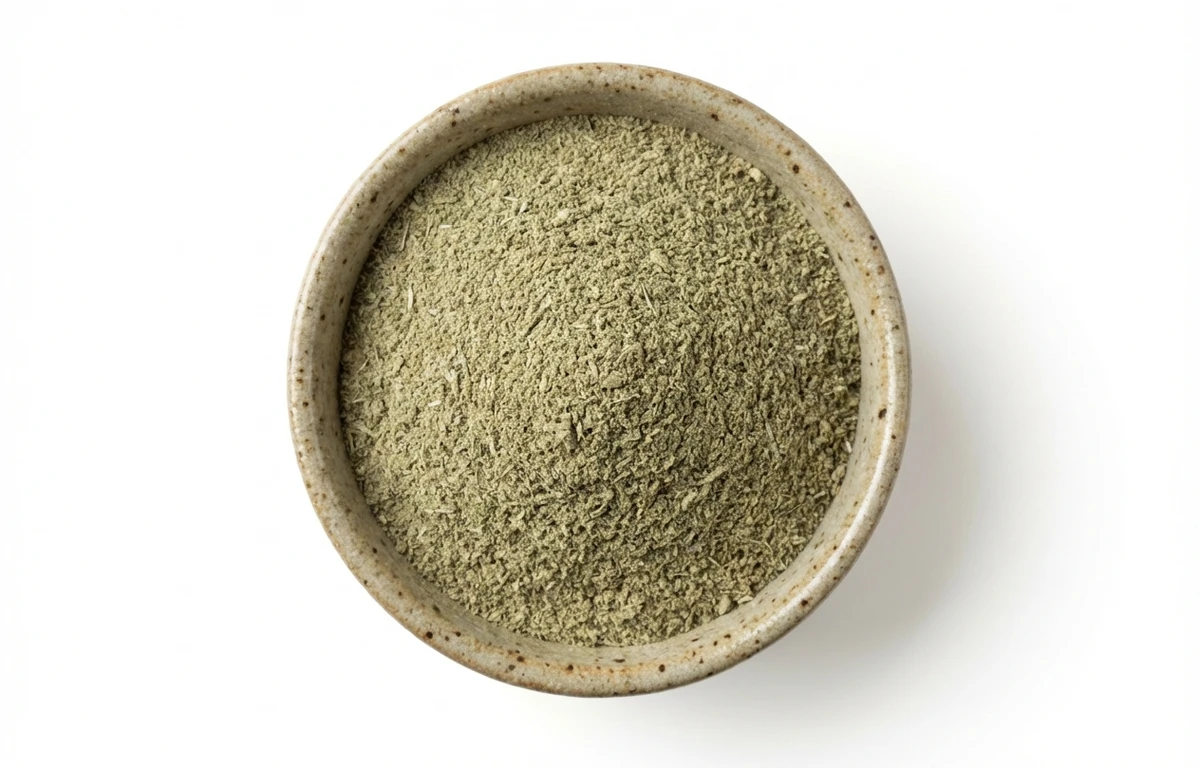
ground sage.
VegetarianVeganGluten-freeDairy-freeNut-freePeanut-freeSoy-freeEgg-freeShellfish-freeHoney-freeAlcohol-free
ALSO KNOWN AS
powdered sagedried ground sagesalvia officinalis powderpisa hua sage
SERVING
CALORIES
400
PROTEIN
10.6g
CARBS
60.7g
FAT
12.7g
FIBER
40.3g
This ingredient is flagged as naturally gluten-free. Per 100 g, it provides 1715 µg of vitamin K.
NUTRITION PROFILE · per 100 g
Everything in this ingredient.
MACRONUTRIENTS
Calories400kcal—
Protein10.6g21%
Carbohydrates60.7g22%
Fiber40.3g144%
Sugar1.7g3%
Total fat12.7g16%
Saturated fat7.0g35%
Trans fat0g—
Cholesterol0mg0%
Water8.0g—
MINERALS
Sodium11mg0%
Potassium1070mg23%
Calcium1652mg127%
Iron28.1mg156%
Magnesium428mg102%
Phosphorus91mg7%
Zinc4.7mg43%
Copper0.76mg84%
Manganese3.1mg135%
Selenium3.7µg7%
VITAMINS
Vitamin A295µg33%
Vitamin C32.4mg36%
Vitamin D0µg0%
Vitamin E7.5mg50%
Vitamin K1715µg1429%
Thiamin (B1)0.75mg63%
Riboflavin (B2)0.34mg26%
Niacin (B3)5.7mg36%
Pantothenic acid (B5)0.34mg7%
Vitamin B62.7mg158%
Folate (B9)274µg69%
Vitamin B120µg0%
%DV based on a 2,000 cal diet. Source: USDA FoodData Central. A dash in the %DV column means there’s no established Daily Value for that nutrient.
MEASUREMENT CONVERSIONS
How much is what.
1 cup35g
1 tablespoon2.1g
1 teaspoon0.7g
1 oz28.4g
1 lb453.6g
1 ml0.2g
1 liter150g
HEALTH BENEFITS
Why eat it.
- ✓May support oral health due to antimicrobial properties
- ✓Potential to improve memory and brain function
COOKING TIPS
In the kitchen.
- 1Add early in the cooking process as it withstands heat well
- 2Use sparingly; ground sage is much more potent than fresh leaves
- 3Pairs exceptionally well with fatty meats, poultry, and root vegetables
STORAGE
Keep it fresh.
- Store in an airtight glass container in a cool, dark place
- Keep away from direct sunlight and heat sources like stoves
- Ensure the container is completely dry to prevent clumping
FAQ
Frequently asked questions.
How long does ground sage last?
When stored in a cool, dark place in an airtight container, ground sage maintains its best quality for 1 to 3 years.
How can I tell if ground sage has gone bad?
Rub a small amount in your palm; if the aroma is weak or non-existent, the spice has lost its potency and should be replaced.
What is a good substitute for ground sage?
Dried marjoram, savory, or poultry seasoning are the best substitutes. Thyme or rosemary can also work in smaller quantities.
Is ground sage the same as rubbed sage?
No. Ground sage is a fine powder, while rubbed sage is made by rubbing the leaves together, resulting in a light, fluffy, velvety texture.
Can I use ground sage instead of fresh sage?
Yes, use 1/2 teaspoon of ground sage for every 1 tablespoon of fresh chopped sage.
Does ground sage contain gluten?
Pure ground sage is naturally gluten-free, but always check labels for potential cross-contamination in processing facilities.
What are the most common dishes using ground sage?
It is a staple in Thanksgiving stuffing, breakfast sausages, saltimbocca, and various bean soups.
Should ground sage be refrigerated?
No, refrigeration is not necessary and can introduce moisture which causes the powder to clump and lose flavor.
What flavors pair best with ground sage?
It pairs well with onion, garlic, lemon, rosemary, thyme, and heavy ingredients like butter, cream, and pork.
RECIPES
Cook with ground sage.
1 recipes · sorted by what’s quick



















