Dairy10 recipes
gruyère cheese.
VegetarianVeganGluten-freeDairy-freeNut-freePeanut-freeSoy-freeEgg-freeShellfish-freeHoney-freeAlcohol-freeHalalKosherFermented
ALSO KNOWN AS
gruyèregruyere cheese
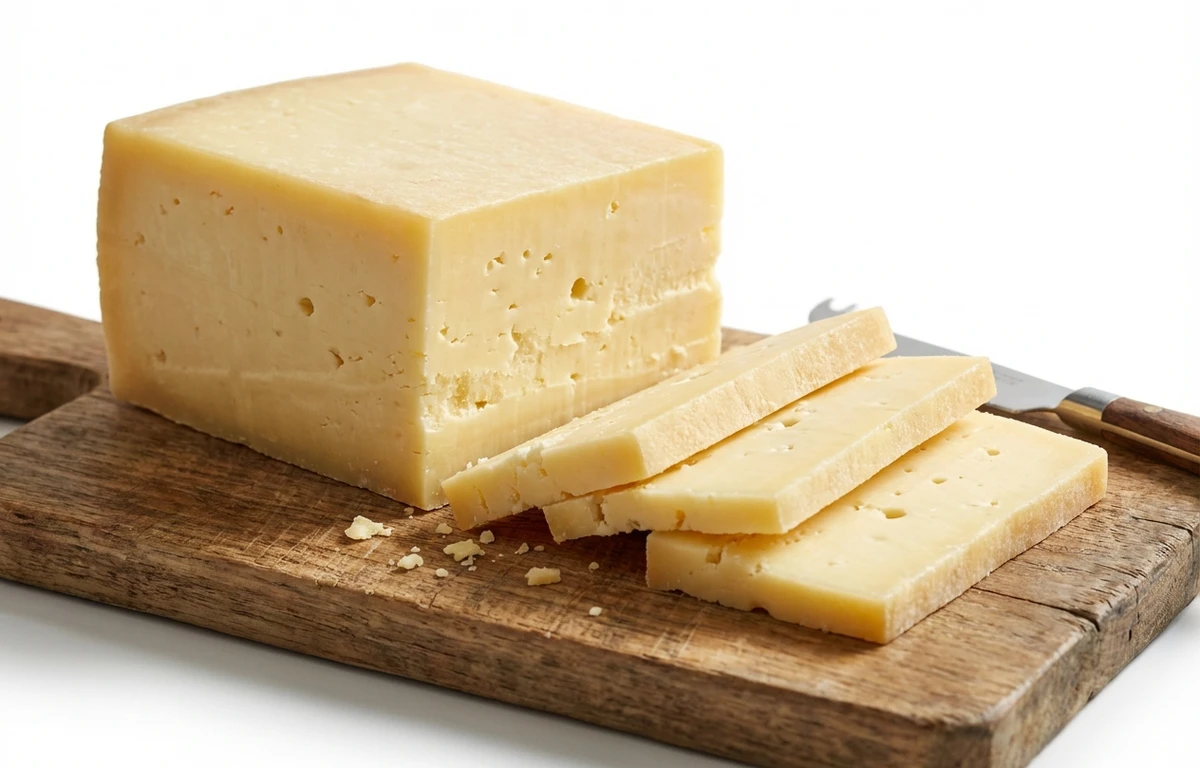
SERVING
CALORIES
413
PROTEIN
29.8g
CARBS
0.36g
FAT
32.3g
FIBER
0g
NUTRITION PROFILE · per 100 g
Everything in this ingredient.
MACRONUTRIENTS
Calories413kcal—
Protein29.8g60%
Carbohydrates0.36g0%
Fiber0g0%
Sugar0.36g1%
Total fat32.3g41%
Saturated fat20.3g102%
Cholesterol108mg36%
MINERALS
Sodium336mg15%
Potassium93mg2%
Calcium1010mg78%
Iron0.10mg1%
Magnesium33mg8%
Phosphorus570mg46%
Zinc4.0mg36%
Copper0.03mg3%
Manganese0.01mg0%
Selenium14.5µg26%
VITAMINS
Vitamin A260µg29%
Vitamin C0mg0%
Vitamin D0.40µg2%
Vitamin E0.20mg1%
Vitamin K2.3µg2%
Thiamin (B1)0.04mg3%
Riboflavin (B2)0.30mg23%
Niacin (B3)0.10mg1%
Pantothenic acid (B5)0.30mg6%
Vitamin B60.09mg5%
Folate (B9)18µg5%
Vitamin B121.7µg71%
%DV based on a 2,000 cal diet. Source: USDA FoodData Central. A dash in the %DV column means there’s no established Daily Value for that nutrient.
MEASUREMENT CONVERSIONS
How much is what.
1 cup120g
1 tablespoon7.5g
1 teaspoon2.5g
1 oz28.4g
1 lb453.6g
1 ml0.5g
1 liter500g
HEALTH BENEFITS
Why eat it.
- ✓Excellent source of calcium and phosphorus, crucial for bone and tooth health.
- ✓Rich in high-quality complete protein, providing all essential amino acids for muscle repair and growth.
- ✓Contains Vitamin K2, which plays a key role in cardiovascular health and calcium metabolism.
- ✓As a fermented food, it can contribute beneficial bacteria to support a healthy gut microbiome.
COOKING TIPS
In the kitchen.
- 1Gruyère is a superior melting cheese, perfect for classic dishes like fondue, French onion soup, croque monsieur, and gratins.
- 2For the best flavor and aroma, allow the cheese to come to room temperature for about 30-60 minutes before serving on a cheese board.
- 3Shred or grate the cheese when it is cold for easier handling and to ensure even melting in recipes.
- 4Its nutty, slightly sweet, and earthy flavor pairs well with fruits like apples and pears, as well as with cured meats and crusty bread.
STORAGE
Keep it fresh.
- Wrap the cheese in parchment or wax paper, then place it in a loosely sealed plastic bag to allow it to breathe while preventing it from drying out.
- Store in the warmest part of your refrigerator, such as the cheese or vegetable drawer, where it can last for 2 to 3 weeks once opened.
FAQ
Frequently asked questions.
Is Gruyère cheese healthy?
Yes, Gruyère cheese offers several health benefits. It's an excellent source of calcium, phosphorus, and high-quality protein, supporting bone health and muscle repair. It also contains Vitamin K2 and beneficial bacteria from fermentation. However, it is high in calories and fat, so moderation is key.
What are the nutritional values of Gruyère cheese?
Per 100g, Gruyère cheese contains approximately 413 calories, 29.8g of protein, 32.3g of fat, and a very low 0.36g of carbohydrates. It's also rich in essential minerals like calcium and phosphorus, crucial for bone and tooth health.
Is Gruyère cheese good for bone health?
Absolutely. Gruyère is an excellent source of calcium and phosphorus, both vital for strong bones and teeth. It also contains Vitamin K2, which plays a crucial role in calcium metabolism and bone mineralization, further supporting skeletal health.
Is Gruyère cheese lactose-free?
Gruyère cheese is naturally very low in lactose due to its long aging process. During aging, the lactose sugars are broken down by bacteria, making it generally well-tolerated by most individuals with lactose sensitivity, though not completely lactose-free.
Is Gruyère cheese keto-friendly?
Yes, Gruyère cheese is considered keto-friendly. With only 0.36g of carbohydrates per 100g and a high fat content (32.3g), it fits well into a ketogenic diet, providing flavor and essential nutrients without significant carbs.
Is Gruyère cheese vegetarian?
Traditionally, Gruyère cheese is made using animal rennet, which means it is not vegetarian. However, some producers may use microbial rennet, so it's important to check the label if you are looking for a vegetarian option.
What does Gruyère cheese taste like and how is it best used?
Gruyère has a rich, nutty, and slightly sweet flavor with earthy undertones that become more pronounced with age. It's famously used in French onion soup, croque monsieur, quiches, gratins, and fondues due to its excellent melting properties and complex taste.
Does Gruyère cheese melt well?
Yes, Gruyère cheese is renowned for its exceptional melting qualities. It melts smoothly and evenly, making it a perfect choice for dishes like fondues, gratins, and sandwiches where a creamy, gooey texture is desired.
How should I store Gruyère cheese?
Store Gruyère cheese in the refrigerator, ideally wrapped in parchment paper or wax paper, then loosely in plastic wrap or an airtight container. This allows it to breathe while preventing it from drying out, maintaining its flavor and texture for several weeks.
Can you freeze Gruyère cheese?
While you can freeze Gruyère cheese, it's generally not recommended for large blocks as freezing can alter its texture, making it more crumbly. If freezing, it's best to grate it first or cut it into smaller portions, and use it primarily for cooking rather than eating plain.
RECIPES
Cook with gruyère cheese.
10 recipes · sorted by what’s quick