
Other
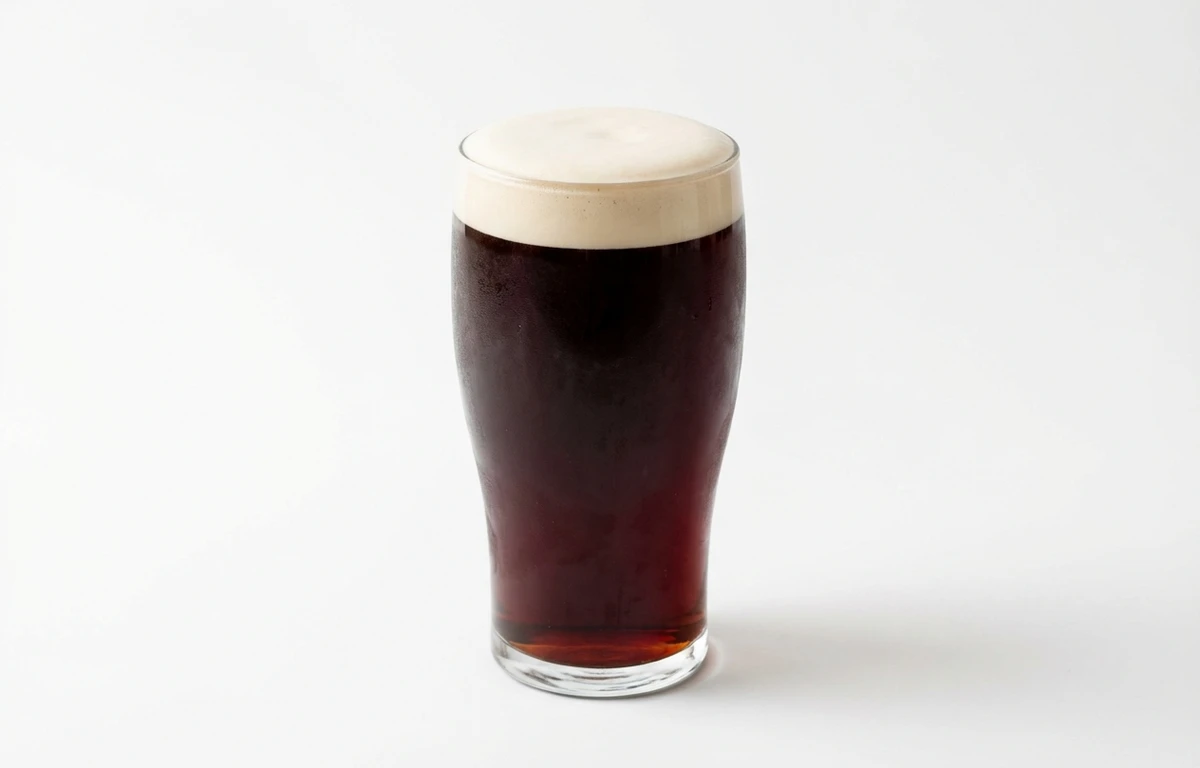
guinness beer.
VegetarianVeganGluten-freeDairy-freeNut-freePeanut-freeSoy-freeEgg-freeShellfish-freeHoney-freeAlcohol-freeHalalKosherFermented
ALSO KNOWN AS
GuinnessIrish stout
SERVING
CALORIES
43
PROTEIN
0.46g
CARBS
3.5g
FAT
0g
FIBER
0g
Per 100 g, it provides 0 µg of vitamin K.
NUTRITION PROFILE · per 100 g
Everything in this ingredient.
MACRONUTRIENTS
Calories43kcal—
Protein0.46g1%
Carbohydrates3.5g1%
Fiber0g0%
Sugar0g0%
Total fat0g0%
Saturated fat0g0%
Trans fat0g—
Cholesterol0mg0%
Water92g—
MINERALS
Sodium4.0mg0%
Potassium27mg1%
Calcium4.0mg0%
Iron0.02mg0%
Magnesium6.0mg1%
Phosphorus14mg1%
Zinc0.01mg0%
Copper0.01mg1%
Manganese0.01mg0%
Selenium0.60µg1%
VITAMINS
Vitamin A0µg0%
Vitamin C0mg0%
Vitamin D0µg0%
Vitamin E0mg0%
Vitamin K0µg0%
Thiamin (B1)0.01mg1%
Riboflavin (B2)0.03mg2%
Niacin (B3)0.51mg3%
Pantothenic acid (B5)0.04mg1%
Vitamin B60.05mg3%
Folate (B9)6.0µg2%
Vitamin B120.02µg1%
%DV based on a 2,000 cal diet. Source: USDA FoodData Central. A dash in the %DV column means there’s no established Daily Value for that nutrient.
MEASUREMENT CONVERSIONS
How much is what.
1 cup247.2g
1 tablespoon15.5g
1 teaspoon5.2g
1 ml1g
1 liter1030g
HEALTH BENEFITS
Why eat it.
- ✓A source of B vitamins, particularly folate, which is essential for producing and maintaining new cells.
- ✓Contains a notable amount of soluble fiber from the unmalted barley, which can aid in digestion and help manage cholesterol levels.
- ✓Provides dietary silicon, which is important for bone mineral density and connective tissue health.
COOKING TIPS
In the kitchen.
- 1Use as a braising liquid for tough cuts of meat like beef chuck or lamb shank; its malty flavor tenderizes the meat and creates a rich, dark gravy.
- 2Incorporate into batters for fried fish or onion rings to create a light, crispy, and flavorful crust.
- 3Add to chocolate-based desserts like cakes, brownies, or mousses to enhance the richness and add a complex, malty depth of flavor.
- 4Reduce Guinness on its own or with stock and aromatics to create a syrupy glaze for roasted meats or vegetables.
STORAGE
Keep it fresh.
- Store unopened bottles and cans upright in a cool, dark place, ideally between 45-55°F (7-13°C), to prevent oxidation and flavor degradation.
- Once opened, consume immediately as the beer will quickly lose its carbonation and characteristic creamy head.
FAQ
Frequently asked questions.
How many calories and carbs are in Guinness?
Per 100g, Guinness contains approximately 43 calories and 3.55g of carbohydrates. A standard pint (around 473ml) would therefore contain roughly 204 calories and 16.8g of carbohydrates, making it relatively lower in calories than many other stouts.
Is Guinness vegan?
Historically, Guinness used isinglass (a fish-derived product) in its filtration process, making it not vegan. However, since 2017, Guinness Draught and other variants produced for the global market are brewed using a new filtration system that does not use animal products, making them suitable for vegans.
What does Guinness taste like?
Guinness Draught is known for its creamy, smooth texture and a distinctive flavor profile. It features notes of roasted barley, coffee, and chocolate, with a slight bitterness and a sweet finish. It's less hoppy than many ales and has a characteristic dark, rich appearance.
Can Guinness be used in cooking?
Yes, Guinness is a popular ingredient in cooking, especially in Irish cuisine. Its rich, malty, and slightly bitter notes make it excellent for stews (like beef and Guinness stew), marinades, bread, and even desserts like chocolate Guinness cake. It adds depth and complexity to dishes.
How should Guinness be stored and served?
Guinness should be stored in a cool, dark place, away from direct sunlight and temperature fluctuations. For optimal enjoyment, Guinness Draught is best served chilled, typically between 6-8°C (43-46°F), in a clean pint glass, allowing for its signature creamy head to form.
How long does Guinness last?
Canned or bottled Guinness typically has a 'best by' date printed on the packaging, usually around 6-9 months from the production date. While it may be safe to drink past this date, the quality, flavor, and carbonation may diminish. Always check the date for best taste.



















