
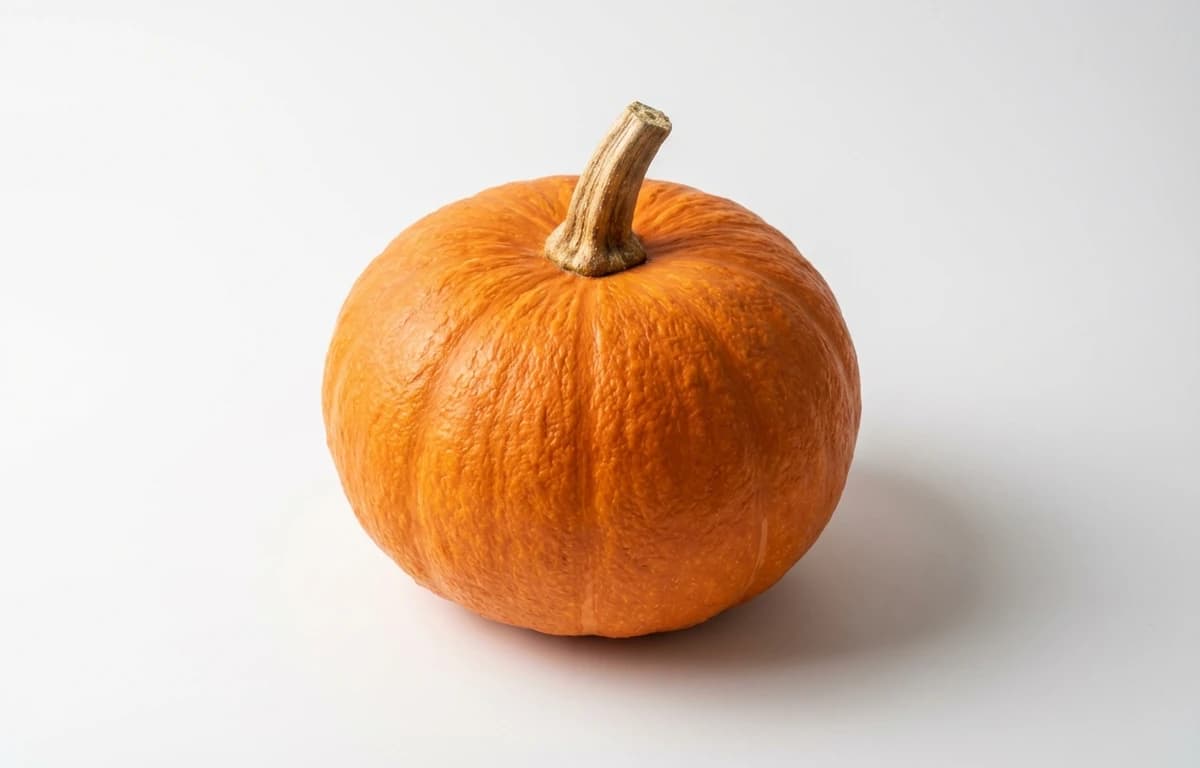
gummadikaya
Also known as:
Loading...
Also known as:
Per 100g
Nutrition data source: USDA FoodData Central
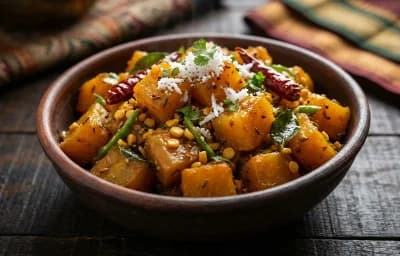
A simple yet flavorful Andhra-style pumpkin stir-fry. Cubes of sweet pumpkin are tossed with aromatic tempering spices and a hint of chili, creating a delightful sweet and spicy side dish. It's a perfect accompaniment to rice and sambar.
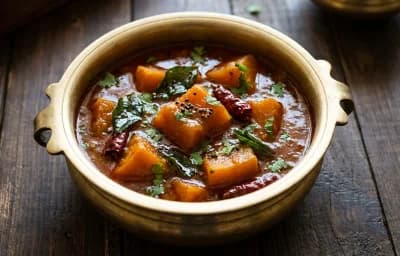
A delightful Andhra-style sweet and sour pumpkin stew. Tender pumpkin pieces are simmered in a tangy tamarind and sweet jaggery gravy, creating a perfect balance of flavors that pairs wonderfully with hot rice.

A delightful Andhra-style sweet and savory pumpkin curry. Tender pumpkin pieces are cooked with a traditional tempering of spices, creating a simple, comforting side dish that pairs perfectly with rice and dal.
Yes, gummadikaya (ash gourd/winter melon) is very healthy. It's low in calories and rich in essential nutrients like Vitamin A (beta-carotene), antioxidants, dietary fiber, and potassium. These contribute to vision health, immune function, digestion, and blood pressure regulation.
Gummadikaya is packed with Vitamin A, crucial for good vision and a strong immune system. It also provides antioxidants like alpha-carotene, protecting cells from damage, and dietary fiber, which aids digestion and helps maintain stable blood sugar levels. It's also a source of potassium for heart health.
Yes, gummadikaya can be beneficial for weight loss. It is very low in calories (approximately 26 calories per 100g) and high in water content and dietary fiber, which promotes satiety and helps you feel full longer without consuming many calories.
Yes, gummadikaya is generally suitable for diabetics. It has a low glycemic index due to its high fiber and water content, which helps in regulating blood sugar levels. Its low carbohydrate content (around 6.5g per 100g) also makes it a good choice.
Yes, gummadikaya is naturally vegan and gluten-free. As a vegetable, it contains no animal products or gluten-containing grains, making it suitable for individuals following these dietary restrictions.
Gummadikaya is versatile in cooking. It can be used in curries, stews, soups, and even juices. It's often peeled, deseeded, and cut into cubes before being boiled, steamed, or sautéed. In some cuisines, it's also used to make sweets or preserves.
Gummadikaya has a very mild, somewhat bland flavor, often described as subtly sweet and refreshing. Its high water content gives it a crisp texture when raw, which softens significantly when cooked, absorbing the flavors of other ingredients it's cooked with.
gummadikaya is a versatile ingredient found in cuisines around the world. With 26 calories per 100g and 1 grams of protein, it's a nutritious addition to many dishes.
Explore more ingredients in the vegetable category with complete nutrition information.
View all vegetable →Discover 0 recipes featuring gummadikaya with step-by-step instructions.
Browse recipes →Whole, uncut gummadikaya can be stored in a cool, dry place for several weeks, or even months, similar to other winter squashes. Once cut, wrap the remaining portion tightly in plastic wrap and refrigerate, where it will last for about 3-5 days.
A fresh gummadikaya should feel firm and heavy for its size, with a smooth, pale green to white skin that is free from blemishes, soft spots, or mold. Avoid any that feel light, soft, or have a shriveled appearance.
Yes, gummadikaya can be eaten raw. It's often grated and added to salads, or juiced for a refreshing and hydrating drink. When raw, it has a crisp texture and a very mild, almost neutral flavor.