
Other
gypsum.
VegetarianVeganGluten-freeDairy-freeNut-freePeanut-freeSoy-freeEgg-freeShellfish-freeHoney-freeAlcohol-free
ALSO KNOWN AS
calcium sulfate
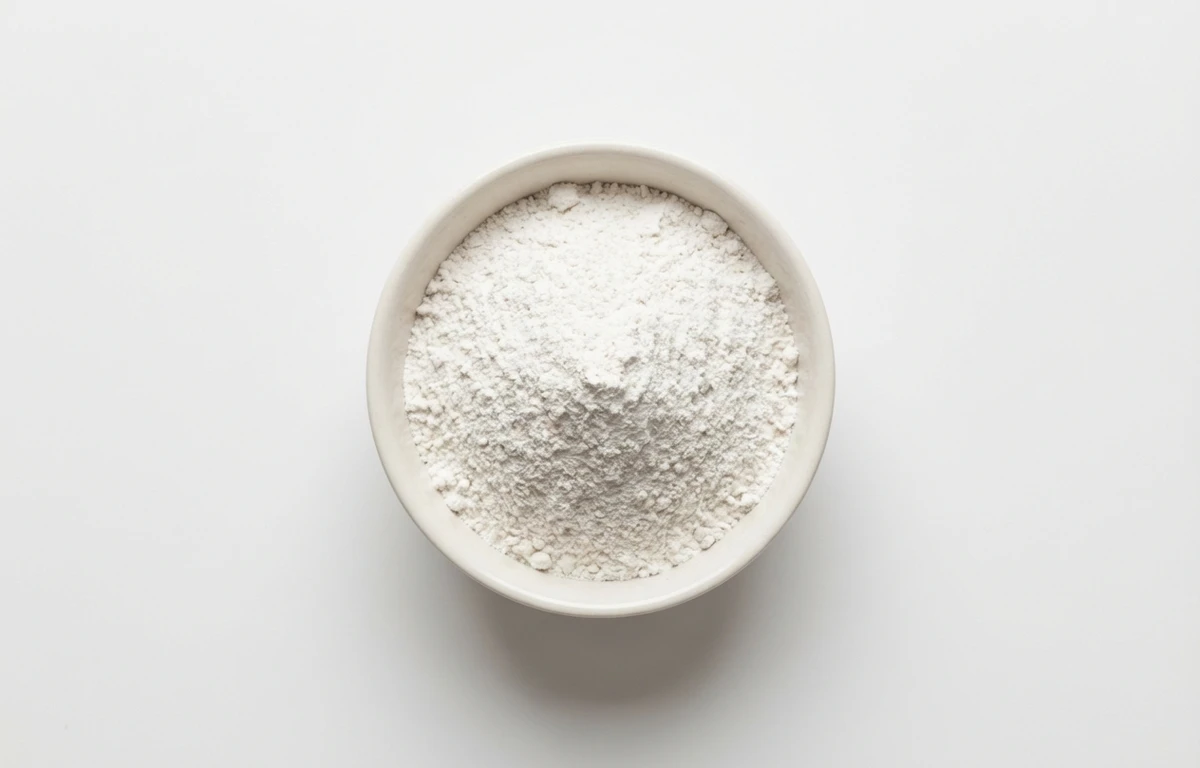
SERVING
CALORIES
0
PROTEIN
0g
CARBS
0g
FAT
0g
FIBER
0g
This ingredient is flagged as naturally gluten-free. Per 100 g, it provides 0 µg of vitamin K.
NUTRITION PROFILE · per 100 g
Everything in this ingredient.
MACRONUTRIENTS
Calories0kcal—
Protein0g0%
Carbohydrates0g0%
Fiber0g0%
Sugar0g0%
Total fat0g0%
Saturated fat0g0%
Trans fat0g—
Cholesterol0mg0%
Water0g—
MINERALS
Sodium0mg0%
Potassium0mg0%
Calcium23250mg1788%
Iron0mg0%
Magnesium0mg0%
Phosphorus0mg0%
Zinc0mg0%
Copper0mg0%
Manganese0mg0%
Selenium0µg0%
VITAMINS
Vitamin A0µg0%
Vitamin C0mg0%
Vitamin D0µg0%
Vitamin E0mg0%
Vitamin K0µg0%
Thiamin (B1)0mg0%
Riboflavin (B2)0mg0%
Niacin (B3)0mg0%
Pantothenic acid (B5)0mg0%
Vitamin B60mg0%
Folate (B9)0µg0%
Vitamin B120µg0%
%DV based on a 2,000 cal diet. Source: USDA FoodData Central. A dash in the %DV column means there’s no established Daily Value for that nutrient.
MEASUREMENT CONVERSIONS
How much is what.
1 cup144g
1 tablespoon9g
1 teaspoon3g
1 ml0.6g
1 liter600g
HEALTH BENEFITS
Why eat it.
- ✓Serves as an excellent source of dietary calcium, which is essential for maintaining strong bones and teeth.
- ✓Acts as a coagulant in food production, most notably in making tofu from soy milk.
- ✓Functions as a firming agent for canned vegetables, helping them maintain their texture during processing.
- ✓In brewing, it's used to add permanent hardness (calcium ions) to water, which can improve mash pH and enhance beer clarity and flavor.
COOKING TIPS
In the kitchen.
- 1When making tofu, dissolve gypsum powder in water and stir it gently into hot soy milk to initiate coagulation.
- 2For homebrewing, add a measured amount to your brewing water to adjust mineral content, particularly to increase calcium and sulfate levels for styles like IPAs.
- 3In baking, add a very small quantity (typically less than 0.5% of flour weight) to bread dough as a yeast food and dough conditioner.
- 4Can be used in mushroom cultivation by adding it to the substrate to provide essential minerals and prevent clumping.
STORAGE
Keep it fresh.
- Store in a cool, dry place, away from direct sunlight and moisture to prevent clumping.
- Keep in a tightly sealed, airtight container to protect it from humidity and contaminants.
FAQ
Frequently asked questions.
Is food-grade gypsum healthy?
Yes, when consumed in appropriate food-grade forms and quantities, gypsum is a beneficial source of dietary calcium. Calcium is essential for maintaining strong bones and teeth, and it plays a role in various bodily functions. It's primarily used as a functional ingredient rather than a direct supplement.
How much calcium does gypsum provide?
Food-grade gypsum, chemically known as calcium sulfate, is approximately 23% calcium by weight. This makes it a highly concentrated source of dietary calcium when incorporated into foods like tofu or baked goods.
Is gypsum vegan?
Yes, gypsum is a naturally occurring mineral and is inherently vegan. It is widely used as a coagulant in the production of tofu, making it a key ingredient in many plant-based food products.
What does food-grade gypsum taste like?
Food-grade gypsum is generally considered tasteless or has a very mild, neutral mineral taste when used in the small quantities required for food applications. Its purpose is to provide functional benefits rather than to impart flavor.
Is it safe to consume gypsum?
Yes, food-grade gypsum (calcium sulfate) is recognized as safe by regulatory bodies like the FDA when used within established limits in food products. It is a common food additive and a valuable source of dietary calcium.
What is the difference between food-grade gypsum and other types of gypsum?
Food-grade gypsum, specifically calcium sulfate dihydrate, is highly purified and processed to meet strict safety and quality standards for human consumption. Other types of gypsum, such as those used in construction or agriculture, are not purified for food use and may contain impurities unsuitable for ingestion.



















