
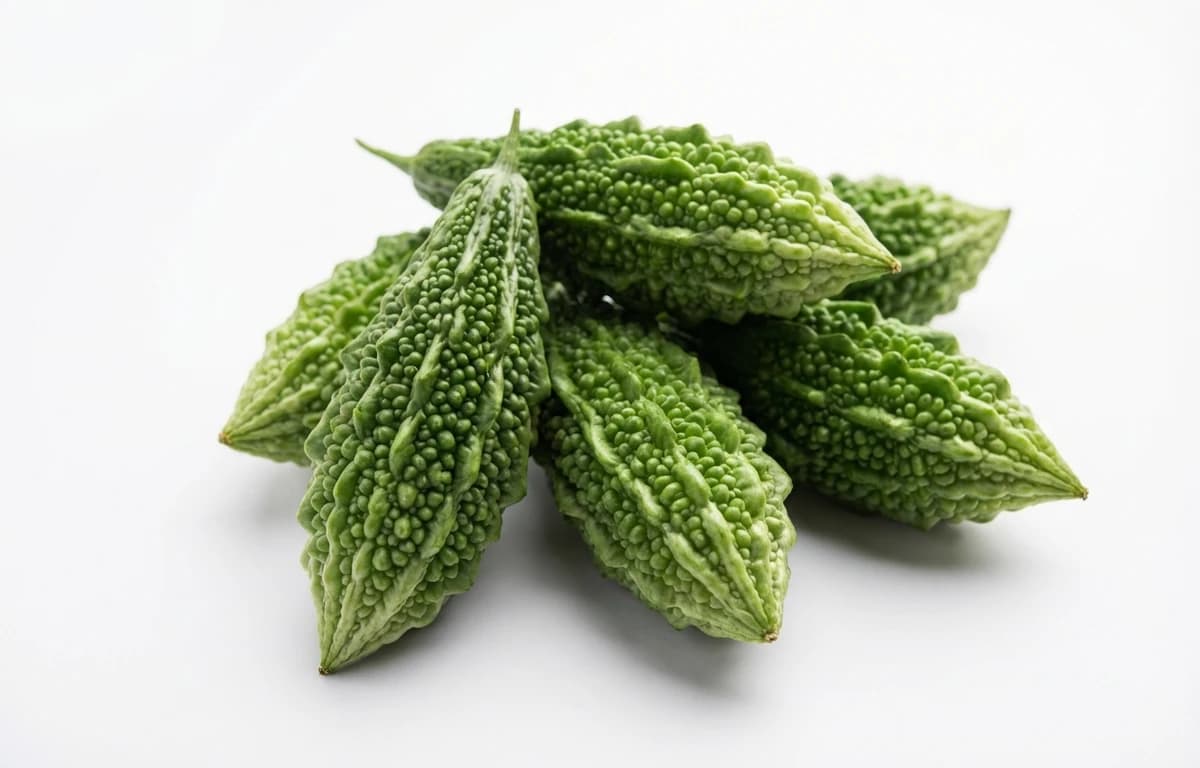
hagalakayi
Also known as:
Loading...
Also known as:
Per 100g
Nutrition data source: USDA FoodData Central

A classic Udupi-style curry where bitter gourd is cooked in a flavorful blend of sweet, sour, and spicy coconut masala. This traditional Karnataka dish, also known as Hagalakayi Menaskai, is a unique and delicious way to enjoy bitter gourd.

A classic Karnataka dish that masterfully balances bitter, sweet, sour, and spicy flavors. Tender bitter gourd is simmered in a tangy tamarind and sweet jaggery gravy, creating a uniquely delicious side dish that pairs perfectly with rice or roti.
Yes, hagalakayi (bitter gourd) is very healthy. It's low in calories and rich in vitamins (C, A, folate), minerals (potassium), and dietary fiber. It's particularly noted for its potential to help manage blood sugar levels.
Hagalakayi is well-known for its potential to help regulate blood sugar. It contains compounds like charantin and polypeptide-p, which are believed to have insulin-like effects, aiding in glucose metabolism. It's also rich in antioxidants, supporting overall cellular health.
Per 100g, hagalakayi is very low in calories, containing approximately 17 calories. It has about 3.7g of carbohydrates, 1g of protein, and a negligible 0.17g of fat, making it a nutrient-dense, low-energy food.
Yes, hagalakayi is highly suitable for keto and low-carb diets. With only about 3.7g of carbohydrates per 100g, it can be easily incorporated into meals while staying within daily carb limits.
Yes, hagalakayi is naturally vegan and gluten-free. As a vegetable, it contains no animal products or gluten, making it suitable for individuals following these dietary restrictions.
To reduce bitterness, slice the hagalakayi, sprinkle with salt, and let it sit for 20-30 minutes. Then, squeeze out the excess water before cooking. Some also blanch it briefly in salted water or soak it in tamarind water.
Hagalakayi is versatile and can be stir-fried, deep-fried, stuffed, or added to curries and stews. Popular dishes include hagalakayi palya (stir-fry), chips, or incorporating it into sambar or rasam.
hagalakayi is a versatile ingredient found in cuisines around the world. With 17 calories per 100g and 1 grams of protein, it's a nutritious addition to many dishes.
Explore more ingredients in the vegetable category with complete nutrition information.
View all vegetable →Hagalakayi has a distinctively bitter taste, which is its most defining characteristic. When cooked properly, especially with methods to reduce bitterness, it develops a unique savory flavor that complements many Indian dishes.
Store fresh hagalakayi in a plastic bag or airtight container in the refrigerator's crisper drawer. It typically stays fresh for about 5-7 days. Avoid washing it until just before use to prolong its shelf life.
While it can be eaten raw, its intense bitterness makes it less common. Some people juice it raw, often mixed with other fruits or vegetables to mask the bitterness, for its health benefits. Cooking generally makes it more palatable.