
Loading...
Also known as: spring wheat
Per 100g
Nutrition data source: USDA FoodData Central
Common measurement equivalents in grams
Yes, hard red spring wheat is very healthy. It's a whole grain rich in dietary fiber, protein, and essential minerals like manganese, selenium, and phosphorus, supporting digestive health, muscle repair, and overall well-being. It also provides B-vitamins for energy metabolism.
Per 100g, hard red spring wheat contains approximately 329 calories and an impressive 15.4g of protein, making it one of the higher-protein grains. It also provides about 68g of carbohydrates and 1.92g of fat.
Hard red spring wheat can be beneficial for weight management due to its high fiber content, which promotes satiety and helps you feel full longer. Its protein content also aids in muscle maintenance, which is important during weight loss. However, portion control is key due to its calorie density.
No, hard red spring wheat is not gluten-free. As a type of wheat, it naturally contains gluten, which is responsible for its excellent baking properties. Individuals with celiac disease or gluten sensitivity should avoid it.
No, hard red spring wheat is not keto-friendly. With approximately 68g of carbohydrates per 100g, it is too high in carbs to fit into a ketogenic diet, which typically restricts net carb intake to 20-50g per day.
Hard red spring wheat is highly valued for its strong gluten content and high protein, making it ideal for baking yeast breads, rolls, and other products requiring good structure and elasticity. It's also used in some pasta and noodle production.
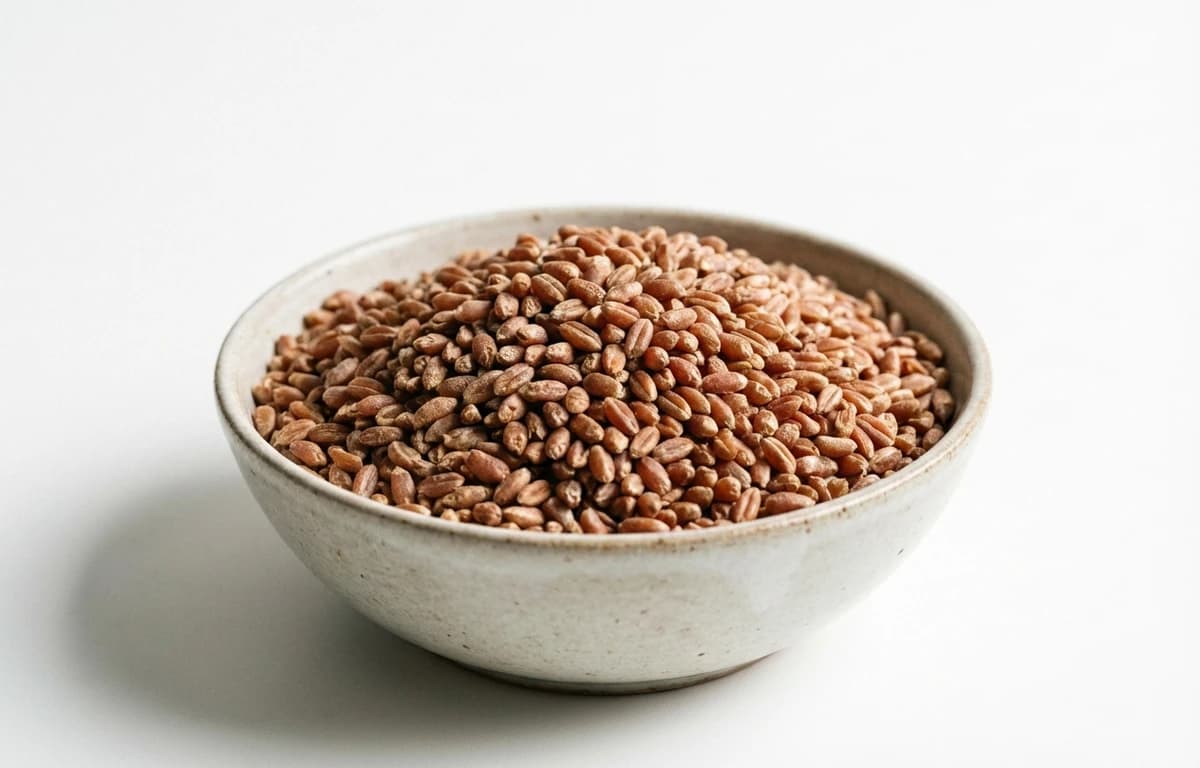
To cook whole hard red spring wheat berries, rinse them thoroughly, then combine one part wheat berries with three parts water or broth. Bring to a boil, then reduce heat, cover, and simmer for 60-90 minutes until tender but still chewy.
hard red spring wheat is a versatile ingredient found in cuisines around the world. With 329 calories per 100g and 15.4 grams of protein, it's a nutritious addition to many dishes.
Explore more ingredients in the grain category with complete nutrition information.
View all grain →Discover 0 recipes featuring hard red spring wheat with step-by-step instructions.
Browse recipes →Explore more ingredients similar to hard red spring wheat.
The most-searched ingredients on CraftMyMeals.
Whole hard red spring wheat berries should be stored in an airtight container in a cool, dark, and dry place to prevent spoilage and insect infestation. Properly stored, they can last for several years. Flour made from it has a shorter shelf life and is best kept in the refrigerator or freezer.
Hard red spring wheat is known for its high protein content and strong gluten, which gives dough excellent elasticity and strength, making it superior for bread baking. Other types like soft wheat have lower protein and are better for cakes or pastries, while durum wheat is primarily for pasta.
While technically edible, it's not recommended to eat raw hard red spring wheat berries due to their hard texture and potential for digestive discomfort. Soaking or sprouting can make them more digestible, but cooking is generally preferred for optimal texture and nutrient absorption.