
Loading...
Also known as:
Per 100g
Nutrition data source: USDA FoodData Central
Common measurement equivalents in grams
Hawaiian Alaea Salt is considered a more natural alternative to table salt because it is less processed and contains trace minerals from red volcanic clay. While it offers some mineral benefits like iron, it is still primarily sodium chloride and should be consumed in moderation to maintain healthy blood pressure levels.
The primary benefit is the presence of up to 80 trace minerals, including iron oxide from the volcanic clay. These minerals can help support electrolyte balance, and because it is less refined than table salt, it lacks the anti-caking agents and additives found in many commercial salts.
It typically contains slightly less sodium by weight than standard table salt because the volcanic clay and trace minerals displace a small percentage of the sodium chloride. However, the difference is relatively small, so it should not be viewed as a low-sodium food.
Yes, it is naturally vegan and gluten-free. It is a mineral product harvested from the sea and mixed with volcanic clay, containing no animal derivatives or grain-based ingredients.
Yes, it is perfectly keto-friendly as it contains zero calories, carbohydrates, or fats. In fact, it can be beneficial for those on a keto diet to help replenish essential electrolytes that are often lost during ketosis.
It has a mellow, earthy flavor that is less sharp and biting than traditional table salt. The addition of volcanic clay provides a subtle richness and a smooth finish, making it highly sought after for seasoning savory dishes.
Hawaiian Alaea Salt is a versatile ingredient found in cuisines around the world. With its calories per 100g and valuable grams of protein, it's a nutritious addition to many dishes.
Explore more ingredients in the mineral category with complete nutrition information.
View all mineral →Discover 2 recipes featuring hawaiian alaea salt with step-by-step instructions.
Browse recipes →Explore more ingredients similar to Hawaiian Alaea Salt.
The most-searched ingredients on CraftMyMeals.
It is traditionally used in authentic Hawaiian dishes like Kalua Pig, Poke, and Pipikaula. It is also excellent as a dry rub for prime rib or pork, as the clay helps seal in the natural juices of the meat during roasting.
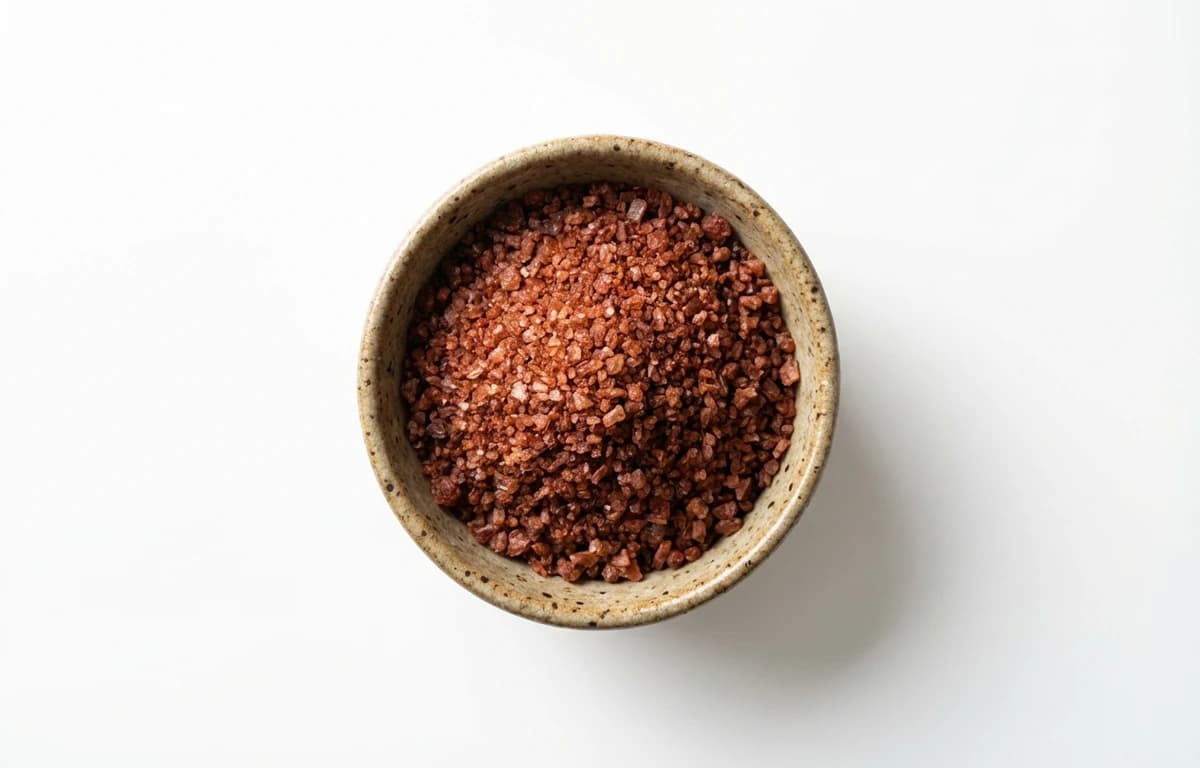
Absolutely. Its vibrant red color and coarse texture make it a beautiful finishing salt. Sprinkling it over seafood, salads, or even chocolate desserts adds a striking visual appeal and a pleasant crunch.
Store the salt in an airtight container in a cool, dry place. Because salt is hygroscopic, it can absorb moisture from the air; keeping it sealed ensures it remains free-flowing and prevents the clay from clumping.
The distinctive red color comes from 'Alaea,' a natural volcanic clay found in Hawaii that is rich in iron oxide. This clay is purified and then mixed with harvested sea salt to create the traditional terracotta hue.