
Loading...
Also known as:
Per 100g
Nutrition data source: USDA FoodData Central
Common measurement equivalents in grams
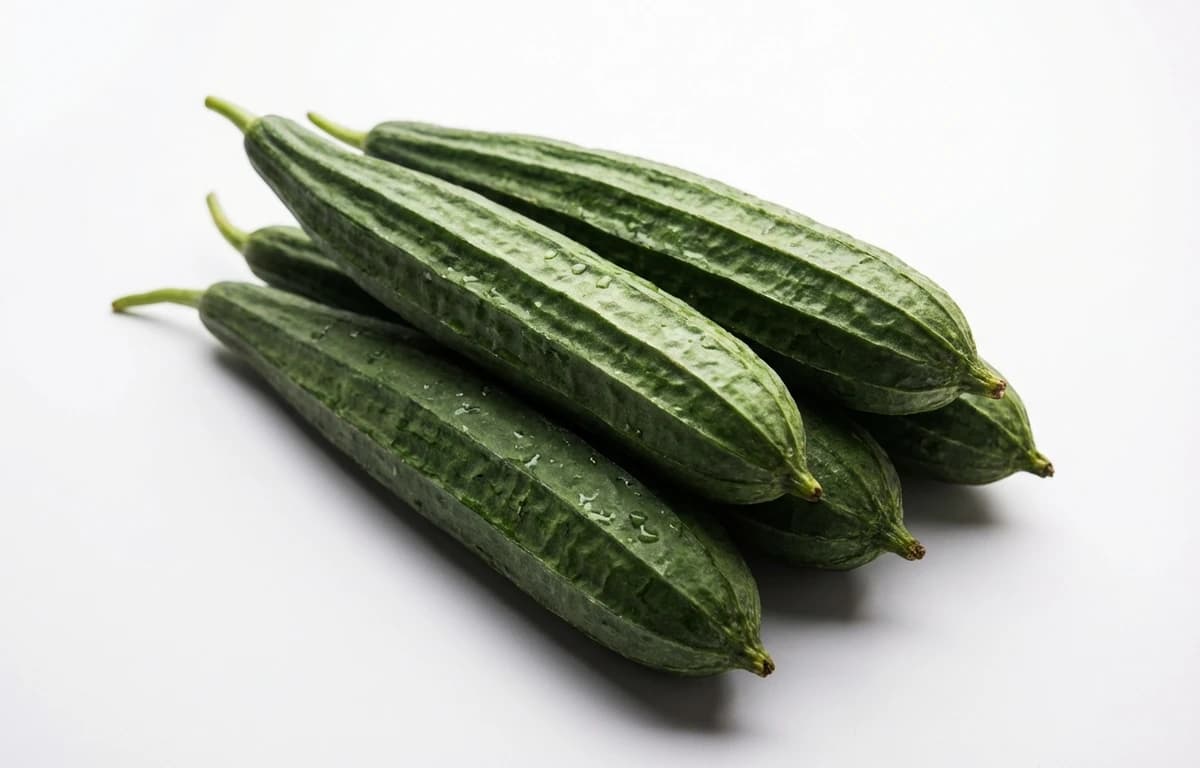
Yes, heerekayi (ridge gourd) is very healthy. It's rich in dietary fiber, aiding digestion and preventing constipation. Its high water content promotes hydration, and it's low in calories and fat, making it excellent for weight management.
Per 100g, heerekayi contains only 20 calories, 0.5g protein, 3.4g carbs, and 0.2g fat. It's a good source of Vitamin C, iron, and magnesium, supporting immunity and overall well-being.
Absolutely. Heerekayi is very low in calories and fat, and high in water and dietary fiber. This combination helps you feel full, aids digestion, and supports a healthy metabolism, making it beneficial for weight management.
Yes, heerekayi is generally suitable for diabetics. It has a low glycemic index due to its high fiber and water content, and low carbohydrate count, which helps manage blood sugar levels.
Yes, as a natural vegetable, heerekayi is inherently vegan and gluten-free. It's a great addition to plant-based and gluten-sensitive diets, offering nutritional benefits without common allergens.
Heerekayi is versatile and can be cooked in various ways. It's commonly used in curries, stir-fries, dals, and stews in Indian cuisine. It can also be steamed, sautéed, or added to soups, absorbing flavors well.
Heerekayi has a mild, slightly sweet, and subtly bitter taste, similar to zucchini or cucumber, but with a firmer texture. When cooked, it becomes tender and readily absorbs the flavors of spices and other ingredients.
heerekayi is a versatile ingredient found in cuisines around the world. With 20 calories per 100g and 0.5 grams of protein, it's a nutritious addition to many dishes.
Explore more ingredients in the vegetable category with complete nutrition information.
View all vegetable →Explore more ingredients similar to heerekayi.
The most-searched ingredients on CraftMyMeals.
Store fresh heerekayi in a cool, dry place or in the refrigerator's vegetable crisper drawer. It typically stays fresh for 4-7 days when stored properly, maintaining its texture and flavor.
Look for heerekayi that is firm to the touch, has a vibrant green color, and is free from soft spots, blemishes, or cuts. Avoid those that appear shriveled or discolored, as these indicate it's past its prime.
It's generally recommended to lightly peel the tough, fibrous ridges of heerekayi, or scrape them off, as they can be unpleasant to eat. The thinner skin between the ridges can be left on or peeled depending on personal preference and the dish.
