
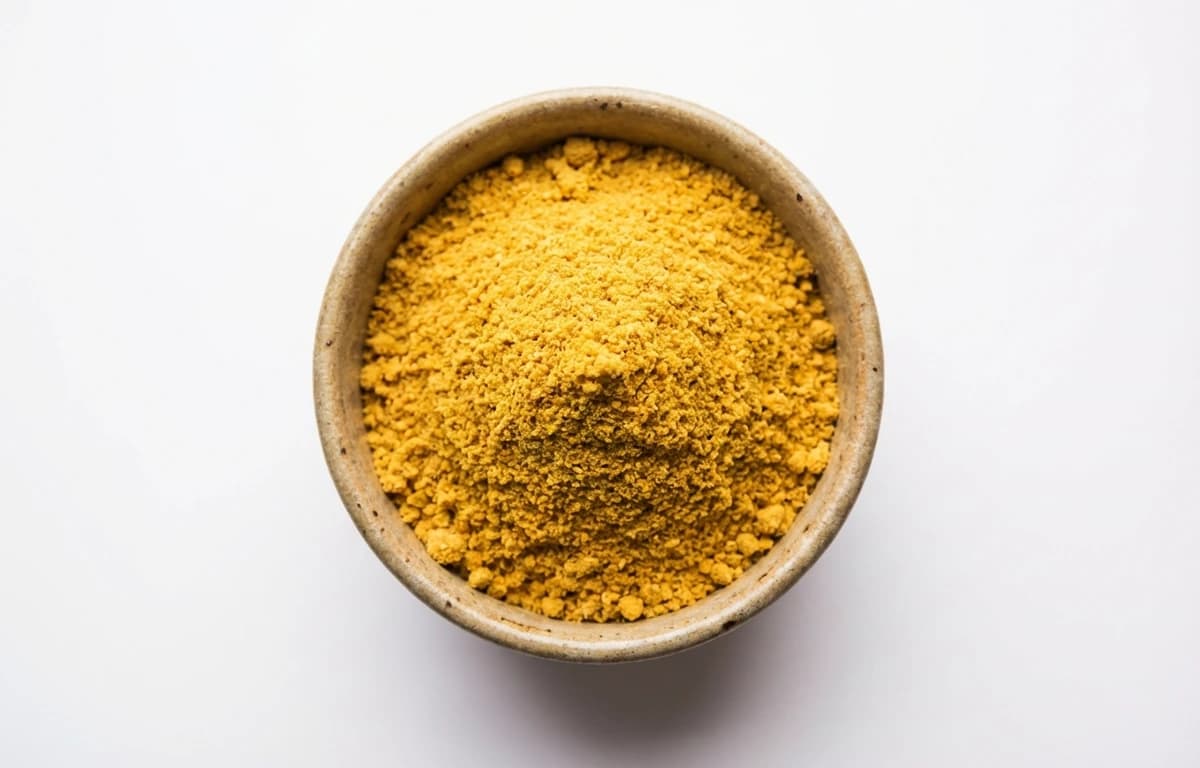
hengu
Also known as: hing, heeng, perungayam, inguva, kayam, devil's dung, food of the gods, compounded asafoetida
Loading...
Also known as: hing, heeng, perungayam, inguva, kayam, devil's dung, food of the gods, compounded asafoetida
Per 100g
Nutrition data source: USDA FoodData Central
Common measurement equivalents in grams
Hengu (Asafoetida) is a dried gum resin extracted from the roots of Ferula plants. It is a staple spice in Indian cuisine known for its strong, pungent aroma that mimics cooked onions and garlic.
When stored in an airtight container in a cool, dry place, it can last for 1 to 2 years. However, its potency and aroma will gradually decrease over time.
Most commercial powdered Asafoetida (Hing) contains wheat flour or rice flour as an anti-caking agent. If you are gluten-intolerant, look for 'gluten-free' labeled versions or pure resin.
The best substitutes are garlic powder or onion powder. For a closer match, use a mix of both or finely chopped leeks.
The pungent odor is due to high concentrations of sulfur compounds. This smell disappears during cooking, transforming into a savory, umami flavor.
Look for a strong, sharp aroma even through the packaging. High-quality hing is usually light yellow or amber in color and should not be overly clumped.
While not harmful, it is extremely unpleasant and bitter when raw. It should always be tempered in hot fat before consumption.
Freezing is not recommended as moisture can ruin the powder. A tightly sealed jar in a dry pantry is the best storage method.
hengu is a versatile ingredient found in cuisines around the world. With 297 calories per 100g and 4 grams of protein, it's a nutritious addition to many dishes.
Explore more ingredients in the spice category with complete nutrition information.
View all spice →It is primarily used in dals because of its antiflatulent properties, which help in digesting legumes and reducing gas.