
Oil
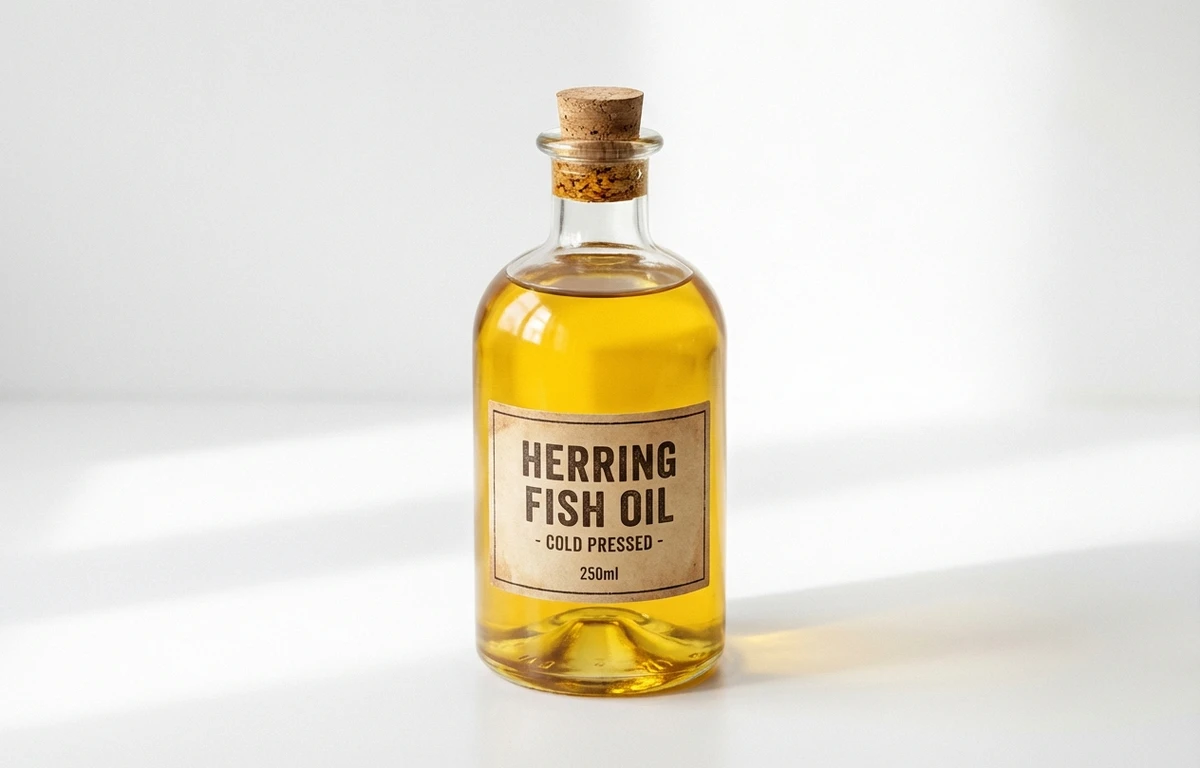
herring fish oil.
VegetarianVeganGluten-freeDairy-freeNut-freePeanut-freeSoy-freeEgg-freeShellfish-freeHoney-freeAlcohol-free
ALSO KNOWN AS
herring oil
SERVING
CALORIES
902
PROTEIN
0g
CARBS
0g
FAT
100g
FIBER
0g
This ingredient is flagged as naturally gluten-free. Per 100 g, it provides 0 µg of vitamin K.
NUTRITION PROFILE · per 100 g
Everything in this ingredient.
MACRONUTRIENTS
Calories902kcal—
Protein0g0%
Carbohydrates0g0%
Fiber0g0%
Sugar0g0%
Total fat100g128%
Saturated fat21.3g107%
Trans fat0g—
Cholesterol766mg255%
Water0g—
MINERALS
Sodium0mg0%
Potassium0mg0%
Calcium0mg0%
Iron0mg0%
Magnesium0mg0%
Phosphorus0mg0%
Zinc0mg0%
Copper0mg0%
Manganese0mg0%
Selenium0µg0%
VITAMINS
Vitamin A0µg0%
Vitamin C0mg0%
Vitamin D0µg0%
Vitamin E1.0mg7%
Vitamin K0µg0%
Thiamin (B1)0mg0%
Riboflavin (B2)0mg0%
Niacin (B3)0mg0%
Pantothenic acid (B5)0mg0%
Vitamin B60mg0%
Folate (B9)0µg0%
Vitamin B120µg0%
%DV based on a 2,000 cal diet. Source: USDA FoodData Central. A dash in the %DV column means there’s no established Daily Value for that nutrient.
MEASUREMENT CONVERSIONS
How much is what.
1 cup218g
1 tablespoon13.6g
1 teaspoon4.5g
1 ml0.9g
1 liter906.7g
HEALTH BENEFITS
Why eat it.
- ✓Extremely rich in omega-3 fatty acids (EPA and DHA), which support cardiovascular health by lowering triglycerides and blood pressure.
- ✓Promotes brain health and cognitive function, potentially reducing the risk of age-related cognitive decline.
COOKING TIPS
In the kitchen.
- 1Due to its strong flavor and lower smoke point, it is not recommended for high-heat cooking like frying.
- 2Use as a finishing oil by drizzling a small amount over salads, soups, or roasted vegetables for a nutrient boost.
- 3Incorporate into cold preparations like salad dressings, marinades for fish, or dips to add a rich, umami flavor.
- 4Can be blended into smoothies to mask the flavor while still getting the omega-3 benefits.
STORAGE
Keep it fresh.
- Store in a cool, dark place away from direct sunlight and heat to prevent oxidation and rancidity.
- After opening, it is best to refrigerate the oil to preserve its freshness and extend its shelf life.
- Ensure the cap is tightly sealed after each use to minimize exposure to air.
FAQ
Frequently asked questions.
Is herring fish oil healthy?
Yes, herring fish oil is considered very healthy due to its exceptionally high concentration of omega-3 fatty acids, specifically EPA and DHA. These essential fats are crucial for various bodily functions and offer significant health benefits. It's a potent source of beneficial fats, but also high in calories.
How much omega-3 (EPA and DHA) is typically in herring fish oil?
The exact amount of EPA and DHA varies by product and processing, but herring fish oil is known to be extremely rich in these omega-3s. A typical serving (e.g., 1000mg capsule) can contain several hundred milligrams of combined EPA and DHA, making it a highly concentrated source compared to many other fish oils.
Is herring fish oil vegan or vegetarian?
No, herring fish oil is neither vegan nor vegetarian. It is derived directly from herring fish, making it an animal product. Vegetarians and vegans seeking omega-3s would need to look for plant-based sources like algal oil or flaxseed oil.
Is herring fish oil gluten-free?
Yes, pure herring fish oil is naturally gluten-free. It does not contain wheat, barley, rye, or their derivatives. However, if purchasing supplements, it's always wise to check the product label for any added ingredients or potential cross-contamination, especially if you have severe gluten sensitivity.
How is herring fish oil typically consumed or used?
Herring fish oil is primarily consumed as a dietary supplement, usually in softgel capsule form or as a liquid oil. It is taken orally to deliver its concentrated omega-3 fatty acids for health benefits. It is not typically used as a culinary oil for cooking or dressing.
Can I cook with herring fish oil?
It is generally not recommended to cook with herring fish oil. Its delicate omega-3 fatty acids are susceptible to oxidation when exposed to high heat, which can degrade their beneficial properties and produce undesirable flavors. It's best consumed raw as a supplement.
How long does herring fish oil last and how do I know if it's spoiled?
The shelf life of herring fish oil typically ranges from 18 to 24 months when properly stored and unopened. Once opened, it should be consumed within a few months. Signs of spoilage include a strong, fishy, or rancid odor and a bitter taste, indicating oxidation.



















