hesaru kaalu
Also known as:
Loading...
Also known as:
Per 100g
Nutrition data source: USDA FoodData Central
Yes, hesaru kaalu (mung beans) are highly nutritious. They are rich in essential nutrients like protein, fiber, folate, magnesium, and B vitamins, contributing to overall well-being. Their high fiber content also promotes digestive health and helps regulate blood sugar.
Per 100g, hesaru kaalu provides approximately 23.86g of protein, 62.62g of carbohydrates, and 1.15g of fat, totaling 347 calories. They are an excellent source of plant-based protein and dietary fiber, which aids in satiety and digestive health. Additionally, they contain antioxidants like vitexin and isovitexin.
Yes, hesaru kaalu can be beneficial for weight loss. Their high protein and fiber content helps you feel full for longer, reducing overall calorie intake. They are also low in fat and have a low glycemic index, which can help manage hunger and blood sugar levels.
Yes, hesaru kaalu is naturally gluten-free, making it suitable for individuals with celiac disease or gluten sensitivity. As a legume, it is also entirely plant-based and vegan, providing an excellent source of protein for those following a vegan diet.
Yes, hesaru kaalu is a good choice for diabetics. It has a low glycemic index, which means it causes a slower and more gradual rise in blood sugar levels compared to high-GI foods. Its fiber content further aids in blood sugar regulation.
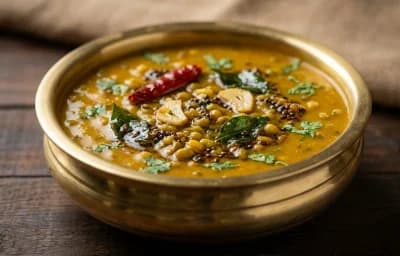
Hesaru kaalu can be cooked by first soaking them for a few hours or overnight to reduce cooking time and improve digestibility. They can then be boiled on the stovetop or pressure cooked until tender. They are commonly used in curries, dals, salads, and sprouts.
hesaru kaalu is a versatile ingredient found in cuisines around the world. With 347 calories per 100g and 23.86 grams of protein, it's a nutritious addition to many dishes.
Explore more ingredients in the legume category with complete nutrition information.
View all legume →Discover 0 recipes featuring hesaru kaalu with step-by-step instructions.
Browse recipes →Hesaru kaalu has a mild, slightly sweet, and earthy flavor. When cooked, it becomes soft and creamy, making it versatile for various dishes. Its subtle taste allows it to absorb the flavors of spices and other ingredients well.
Uncooked hesaru kaalu should be stored in an airtight container in a cool, dry, and dark place, away from direct sunlight and moisture. Properly stored, they can last for up to a year or even longer. Cooked hesaru kaalu should be refrigerated and consumed within 3-4 days.
Yes, hesaru kaalu is excellent for sprouting. Sprouting enhances their nutritional value by increasing vitamin content (especially B vitamins and Vitamin C) and making nutrients more bioavailable. It also improves digestibility and reduces anti-nutrients.
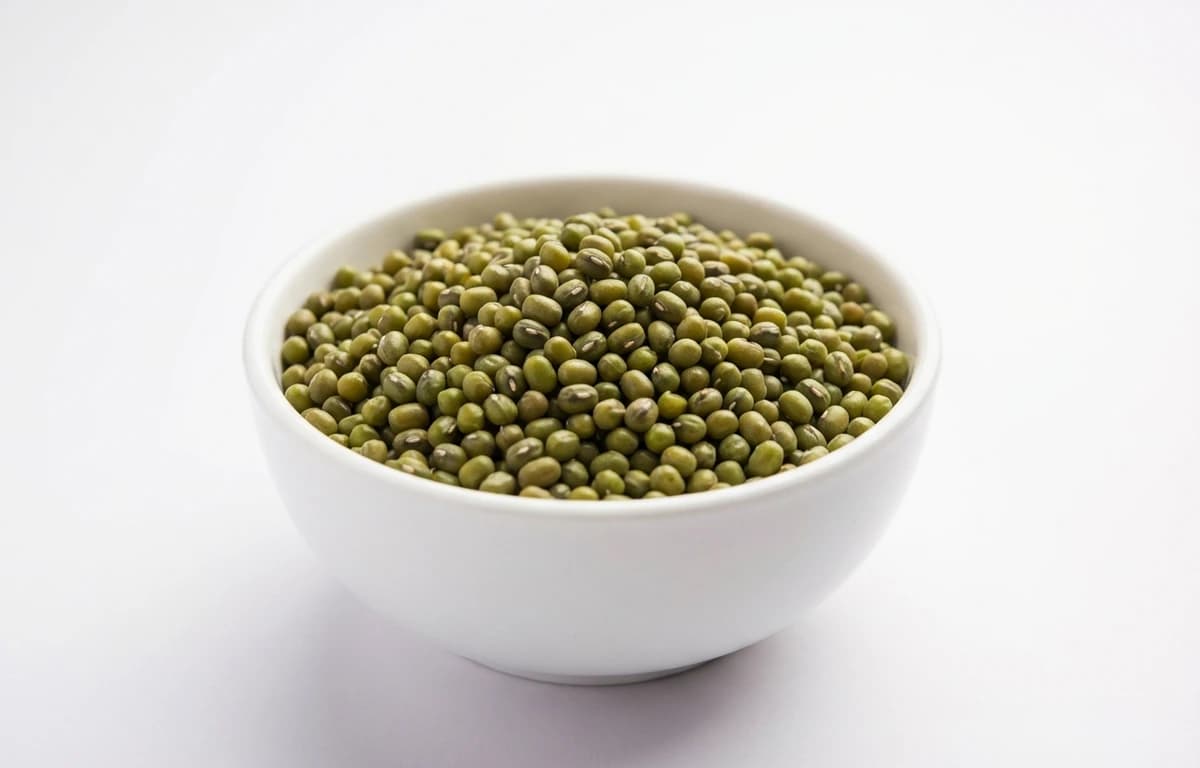
Whole hesaru kaalu refers to the entire bean with its green skin intact, requiring longer cooking times. Split hesaru kaalu, also known as moong dal, has been skinned and split, resulting in a yellow color and much faster cooking time. Both are nutritious but used in different culinary applications.