
Oil
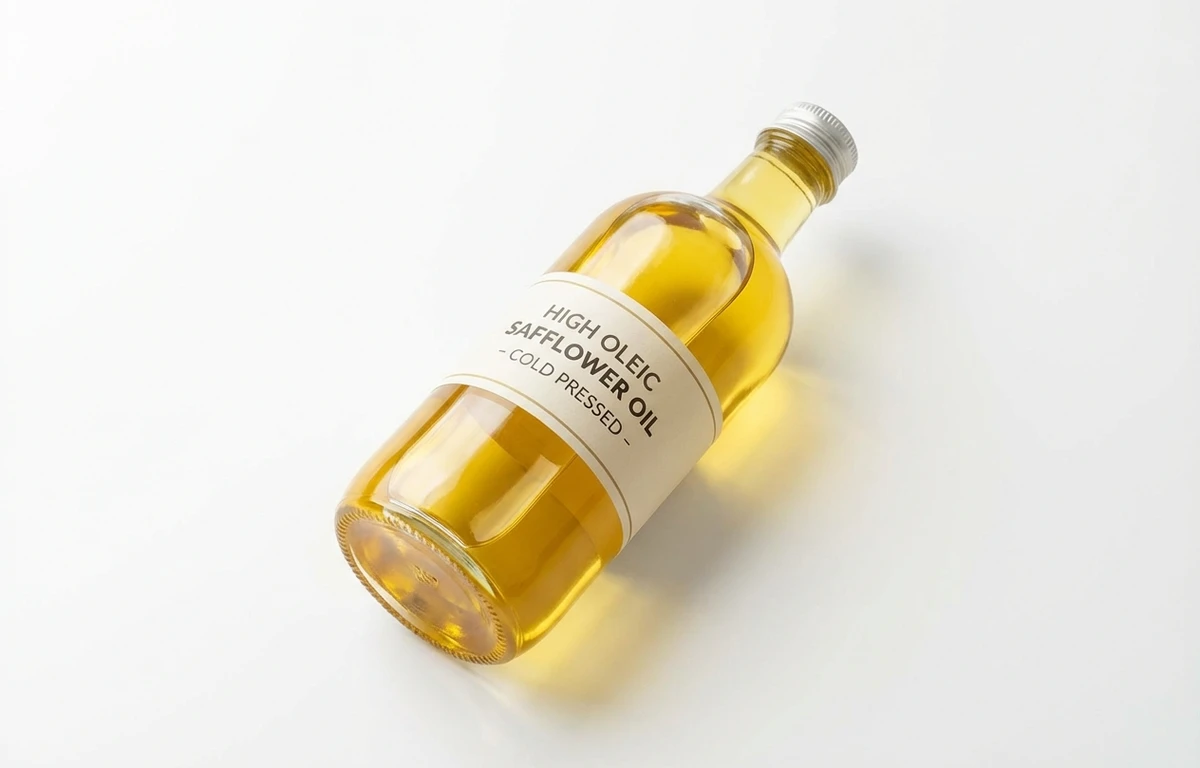
high oleic safflower oil.
VegetarianVeganGluten-freeDairy-freeNut-freePeanut-freeSoy-freeEgg-freeShellfish-freeHoney-freeAlcohol-free
ALSO KNOWN AS
safflower oil
SERVING
CALORIES
884
PROTEIN
0g
CARBS
0g
FAT
100g
FIBER
0g
This ingredient is flagged as naturally gluten-free. Per 100 g, it provides 7.1 µg of vitamin K.
NUTRITION PROFILE · per 100 g
Everything in this ingredient.
MACRONUTRIENTS
Calories884kcal—
Protein0g0%
Carbohydrates0g0%
Fiber0g0%
Sugar0g0%
Total fat100g128%
Saturated fat7.5g38%
Trans fat0.10g—
Cholesterol0mg0%
Water0g—
MINERALS
Sodium0mg0%
Potassium0mg0%
Calcium0mg0%
Iron0mg0%
Magnesium0mg0%
Phosphorus0mg0%
Zinc0mg0%
Copper0mg0%
Manganese0mg0%
Selenium0µg0%
VITAMINS
Vitamin A0µg0%
Vitamin C0mg0%
Vitamin D0µg0%
Vitamin E34.1mg227%
Vitamin K7.1µg6%
Thiamin (B1)0mg0%
Riboflavin (B2)0mg0%
Niacin (B3)0mg0%
Pantothenic acid (B5)0mg0%
Vitamin B60mg0%
Folate (B9)0µg0%
Vitamin B120µg0%
%DV based on a 2,000 cal diet. Source: USDA FoodData Central. A dash in the %DV column means there’s no established Daily Value for that nutrient.
MEASUREMENT CONVERSIONS
How much is what.
1 cup218g
1 tablespoon13.6g
1 teaspoon4.5g
1 ml0.9g
1 liter906.7g
HEALTH BENEFITS
Why eat it.
- ✓Rich in monounsaturated fats (oleic acid), which supports heart health by helping to lower LDL (bad) cholesterol.
- ✓Its high stability at high temperatures reduces the formation of harmful free radicals during cooking.
COOKING TIPS
In the kitchen.
- 1With a high smoke point of around 450°F (232°C), it is ideal for high-heat cooking methods like searing, frying, and roasting.
- 2Its neutral flavor and light texture make it a versatile choice for salad dressings, marinades, and baking where you don't want to impart a strong taste.
- 3Use as a 1:1 substitute for other neutral oils like canola, grapeseed, or vegetable oil in any recipe.
- 4Can be used to make homemade mayonnaise or aioli due to its neutral taste profile.
STORAGE
Keep it fresh.
- Store in a cool, dark place away from direct sunlight and heat, such as a pantry or cupboard, to prevent rancidity.
- Ensure the cap is tightly sealed after each use to minimize exposure to oxygen, which can degrade the oil's quality.
FAQ
Frequently asked questions.
How many calories and how much fat are in high oleic safflower oil?
Per 100g, high oleic safflower oil contains approximately 884 calories and 100g of fat. All of this fat is dietary fat, predominantly monounsaturated, with no protein or carbohydrates.
Is high oleic safflower oil suitable for a keto or low-carb diet?
Yes, high oleic safflower oil is an excellent choice for keto and low-carb diets. It contains 100% fat and zero carbohydrates or protein, making it a pure fat source that aligns well with these dietary approaches.
Is high oleic safflower oil vegan and gluten-free?
Yes, high oleic safflower oil is both vegan and gluten-free. It is a plant-derived oil extracted from safflower seeds and contains no animal products or gluten-containing ingredients.
What is the smoke point of high oleic safflower oil, and what is it best used for in cooking?
High oleic safflower oil has a very high smoke point, typically around 475-510°F (246-266°C). This makes it ideal for high-heat cooking methods such as frying, sautéing, roasting, and baking, as it remains stable and resists breaking down at high temperatures.
How does high oleic safflower oil compare to other cooking oils like olive oil or canola oil?
High oleic safflower oil is similar to olive oil in its high monounsaturated fat content, making both heart-healthy. However, safflower oil generally has a higher smoke point than most olive oils, making it more suitable for very high-heat cooking. Compared to canola oil, it also has a high smoke point and is often preferred by those looking for a non-GMO option.
What is the difference between high oleic safflower oil and regular safflower oil?
The key difference lies in their fatty acid profiles. High oleic safflower oil is specifically bred to contain a much higher percentage of monounsaturated oleic acid (typically over 70%), making it more stable and heat-resistant. Regular (linoleic) safflower oil, in contrast, is high in polyunsaturated linoleic acid and has a lower smoke point.



















