Other
holy basil.
VegetarianVeganGluten-freeDairy-freeNut-freePeanut-freeSoy-freeEgg-freeShellfish-freeHoney-freeAlcohol-freeHalalKosher
ALSO KNOWN AS
tulsitulasisacred basilthai holy basilkaphraoocimum tenuiflorumhot basil
SERVING
CALORIES
29
PROTEIN
3.1g
CARBS
2.6g
FAT
0.64g
FIBER
1.6g
This ingredient is flagged as naturally gluten-free. Per 100 g, it provides 415 µg of vitamin K.
NUTRITION PROFILE · per 100 g
Everything in this ingredient.
MACRONUTRIENTS
Calories29kcal—
Protein3.1g6%
Carbohydrates2.6g1%
Fiber1.6g6%
Sugar0.30g1%
Total fat0.64g1%
Saturated fat0.04g0%
Trans fat0g—
Cholesterol0mg0%
Water92.1g—
MINERALS
Sodium4.0mg0%
Potassium295mg6%
Calcium177mg14%
Iron3.2mg18%
Magnesium64mg15%
Phosphorus56mg4%
Zinc0.81mg7%
Copper0.39mg43%
Manganese1.1mg50%
Selenium0.30µg1%
VITAMINS
Vitamin A264µg29%
Vitamin C18mg20%
Vitamin D0µg0%
Vitamin E0.80mg5%
Vitamin K415µg346%
Thiamin (B1)0.03mg3%
Riboflavin (B2)0.08mg6%
Niacin (B3)0.90mg6%
Pantothenic acid (B5)0.21mg4%
Vitamin B60.16mg9%
Folate (B9)68µg17%
Vitamin B120µg0%
%DV based on a 2,000 cal diet. Source: USDA FoodData Central. A dash in the %DV column means there’s no established Daily Value for that nutrient.
MEASUREMENT CONVERSIONS
How much is what.
1 cup25g
1 tablespoon3g
1 teaspoon1g
1 oz28.4g
1 lb453.6g
1 piece0.3g
HEALTH BENEFITS
Why eat it.
- ✓Acts as an adaptogen to help the body manage stress
- ✓Supports respiratory health and may relieve cough symptoms
COOKING TIPS
In the kitchen.
- 1Add fresh leaves at the very end of cooking to preserve their delicate aroma and oils
- 2Tear leaves by hand instead of chopping with a knife to prevent bruising and oxidation
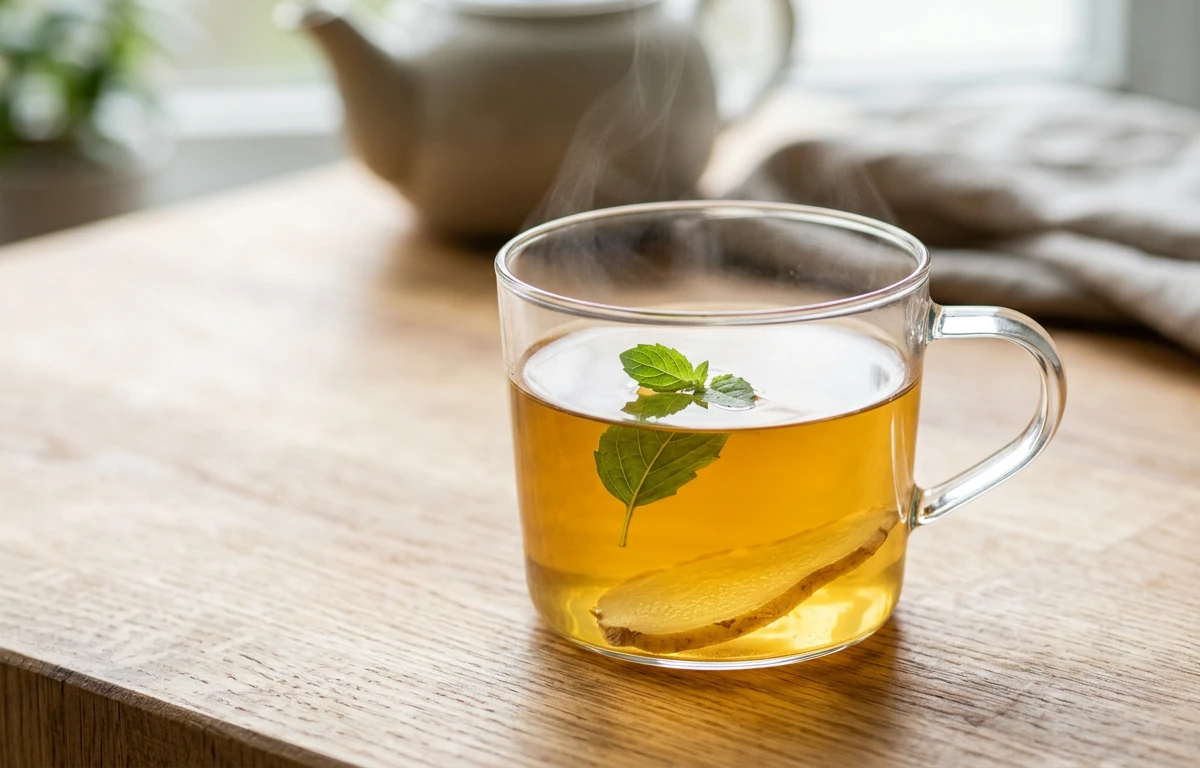
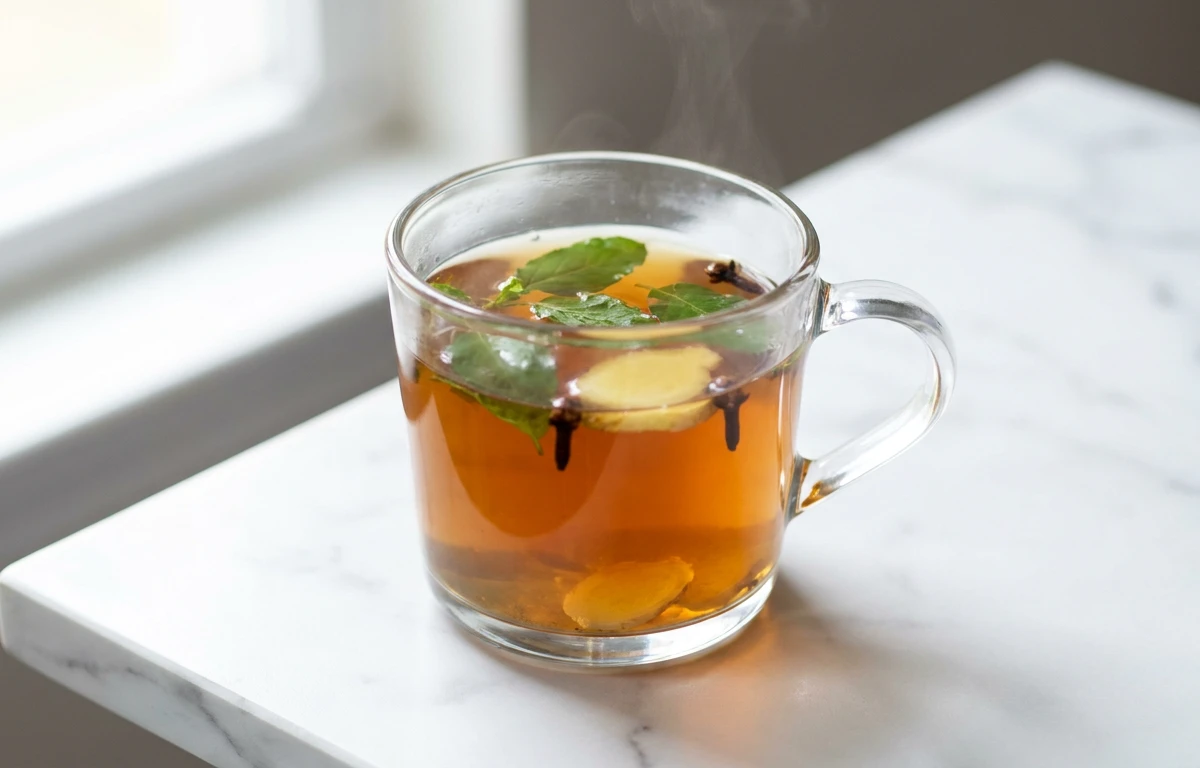
- 3Steep fresh or dried leaves in hot water for 5-10 minutes to make Tulsi tea
STORAGE
Keep it fresh.
- Store fresh stems in a glass of water at room temperature like a bouquet
- If refrigerating, wrap loosely in a damp paper towel and place in a breathable bag
- Avoid washing until immediately before use to prevent premature wilting
FAQ
Frequently asked questions.
How long does fresh holy basil last?
Fresh holy basil typically lasts 3 to 5 days if stored properly in the refrigerator or in water.
Can holy basil be frozen?
Yes, you can freeze the leaves by blanching them quickly and storing in airtight bags, or by blending them into a paste with a little oil and freezing in ice cube trays.
What is the difference between holy basil and sweet basil?
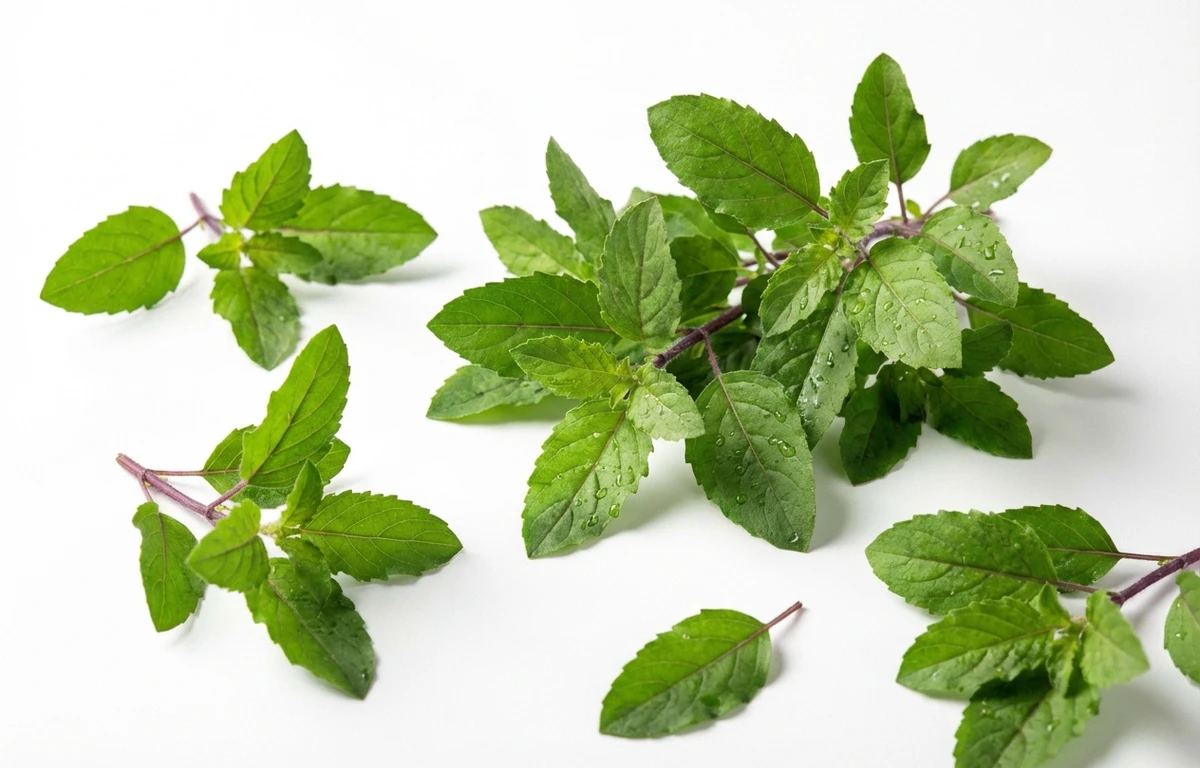
Holy basil (Tulsi) has a peppery, clove-like flavor and serrated leaves, whereas sweet basil is sweeter, more floral, and has smooth leaves.
How do I pick the best holy basil?
Look for vibrant green or purple-tinged leaves that are firm and fragrant. Avoid bunches with yellowing leaves or dark, slimy spots.
What can I use as a substitute for holy basil?
Thai basil is the closest substitute. If unavailable, use sweet basil with a pinch of black pepper or a tiny drop of clove oil.
What are the most common dishes using holy basil?
It is the star ingredient in Thai 'Pad Krapow' (basil stir-fry) and is widely used in Indian herbal teas and Ayurvedic preparations.
Does holy basil contain caffeine?
No, holy basil is naturally caffeine-free, making it a popular choice for evening herbal teas.
How should I clean holy basil?
Gently swish the leaves in a bowl of cool water to remove dirt, then pat dry very carefully with a paper towel.
Is holy basil high in vitamins?
Yes, it is exceptionally high in Vitamin K and is a good source of Vitamin A, Vitamin C, and calcium.
RECIPES
Cook with holy basil.
0 recipes · sorted by what’s quick