
Grain
hulled barley.
VegetarianVeganGluten-freeDairy-freeNut-freePeanut-freeSoy-freeEgg-freeShellfish-freeHoney-freeAlcohol-freeWhole grain
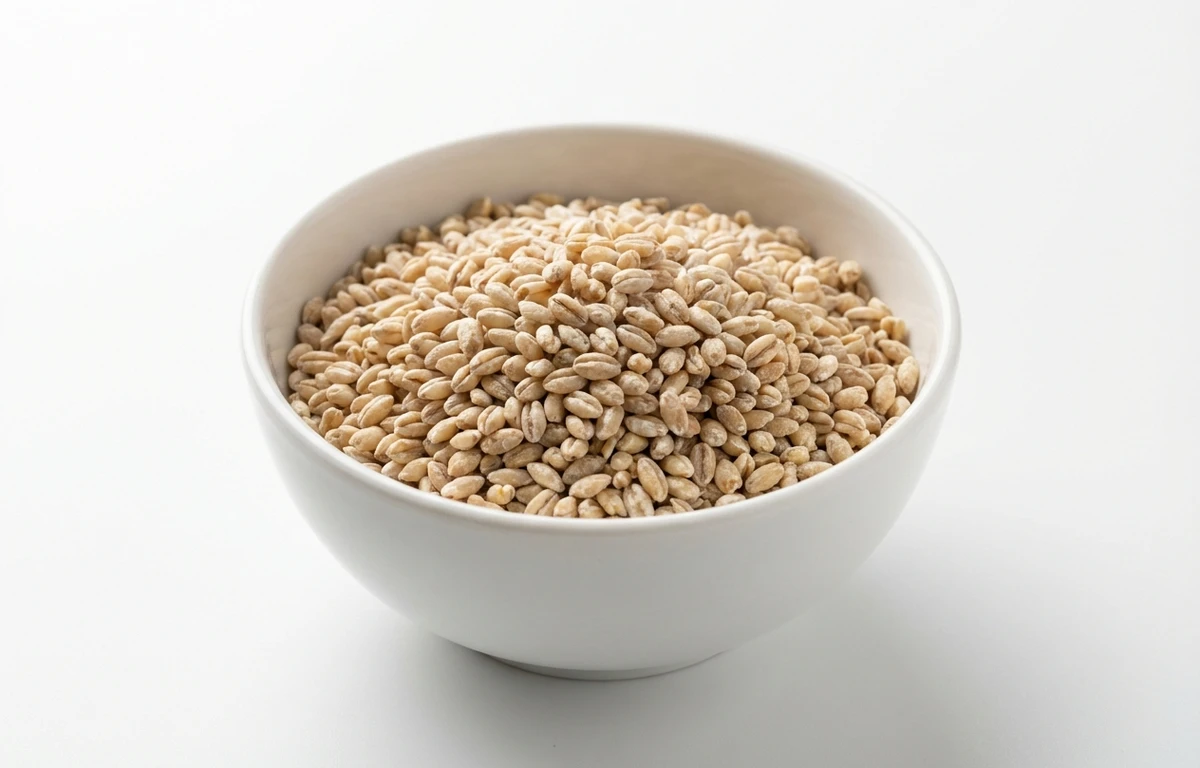
SERVING
CALORIES
354
PROTEIN
12.5g
CARBS
73.5g
FAT
2.3g
FIBER
17.3g
NUTRITION PROFILE · per 100 g
Everything in this ingredient.
MACRONUTRIENTS
Calories354kcal—
Protein12.5g25%
Carbohydrates73.5g27%
Fiber17.3g62%
Sugar0.80g2%
Total fat2.3g3%
Saturated fat0.48g2%
Cholesterol0mg0%
Water9.4g—
MINERALS
Sodium12mg1%
Potassium452mg10%
Calcium33mg3%
Iron3.6mg20%
Magnesium133mg32%
Phosphorus264mg21%
Zinc2.8mg25%
Copper0.50mg56%
Manganese1.9mg84%
Selenium37.7µg69%
VITAMINS
Vitamin A1.0µg0%
Vitamin C0mg0%
Vitamin D0µg0%
Vitamin E0.57mg4%
Vitamin K2.2µg2%
Thiamin (B1)0.65mg54%
Riboflavin (B2)0.29mg22%
Niacin (B3)4.6mg29%
Pantothenic acid (B5)0.28mg6%
Vitamin B60.32mg19%
Folate (B9)19µg5%
Vitamin B120µg0%
%DV based on a 2,000 cal diet. Source: USDA FoodData Central. A dash in the %DV column means there’s no established Daily Value for that nutrient.
MEASUREMENT CONVERSIONS
How much is what.
1 cup184g
1 tablespoon11.5g
1 teaspoon3.8g
1 ml0.8g
1 liter766.7g
HEALTH BENEFITS
Why eat it.
- ✓Rich in beta-glucan fiber, which can help lower LDL ('bad') cholesterol and reduce the risk of heart disease.
- ✓High fiber content promotes digestive health by adding bulk to stool and feeding beneficial gut bacteria.
- ✓Has a low glycemic index, which helps stabilize blood sugar levels, making it beneficial for managing diabetes.
- ✓Good source of essential minerals such as selenium, manganese, magnesium, and B vitamins.
COOKING TIPS
In the kitchen.
- 1Rinse hulled barley under cold water before cooking to remove any dust or debris.
- 2Hulled barley is very chewy and requires a long cooking time, typically 60-90 minutes. Soaking it for several hours or overnight can reduce cooking time significantly.
- 3Use a ratio of approximately 1 part barley to 3 parts liquid (water or broth). Bring to a boil, then reduce heat, cover, and simmer until tender.
- 4Its nutty flavor and firm texture make it an excellent addition to hearty soups, stews, grain salads, or as a base for a pilaf.
STORAGE
Keep it fresh.
- Store in an airtight container in a cool, dark, and dry place like a pantry for up to one year.
- For extended freshness, store in the refrigerator or freezer to prevent the natural oils in the bran and germ from going rancid.
FAQ
Frequently asked questions.
Is hulled barley healthy?
Yes, hulled barley is very healthy. It's a whole grain rich in fiber, especially beta-glucan, which helps lower cholesterol and supports heart health. It also provides essential minerals and B vitamins, contributing to overall well-being.
What are the nutritional benefits of hulled barley?
Hulled barley is packed with nutrients. Per 100g, it offers 12.48g of protein and is an excellent source of dietary fiber, particularly beta-glucan, known for its cholesterol-lowering effects. It also provides manganese, selenium, magnesium, and B vitamins.
How many calories and carbs are in hulled barley?
Per 100g serving, hulled barley contains approximately 354 calories and 73.48g of carbohydrates. It also provides 12.48g of protein and 2.3g of fat, making it a nutrient-dense whole grain.
Is hulled barley gluten-free?
No, hulled barley is not gluten-free. It contains gluten, so it is not suitable for individuals with celiac disease or gluten sensitivity.
Can diabetics eat hulled barley?
Yes, hulled barley can be a good choice for diabetics. Its low glycemic index helps stabilize blood sugar levels, and its high fiber content can improve glucose control. However, portion control is still important.
Is hulled barley keto-friendly?
No, hulled barley is not keto-friendly. With approximately 73.48g of carbohydrates per 100g, it is too high in carbs to fit into a ketogenic diet, which typically restricts net carbs to 20-50g per day.
How do you cook hulled barley?
To cook hulled barley, rinse it thoroughly, then combine one part barley with three parts water or broth. Bring to a boil, then reduce heat, cover, and simmer for about 45-60 minutes until tender and chewy. Drain any excess liquid.
What does hulled barley taste like and how can I use it?
Hulled barley has a nutty, earthy flavor and a chewy texture. It can be used as a hearty side dish, added to soups and stews for thickness, or incorporated into salads, pilafs, and even breakfast porridges.
How should I store hulled barley?
Store uncooked hulled barley in an airtight container in a cool, dark, dry place, where it can last for up to a year. Cooked barley should be refrigerated in a sealed container and consumed within 3-5 days.
What is the difference between hulled barley and pearl barley?
Hulled barley is a whole grain where only the outermost inedible hull has been removed, retaining the bran and germ. Pearl barley, on the other hand, has been polished to remove the bran layer and sometimes the germ, making it cook faster but reducing its fiber and nutrient content.



















