
Oil
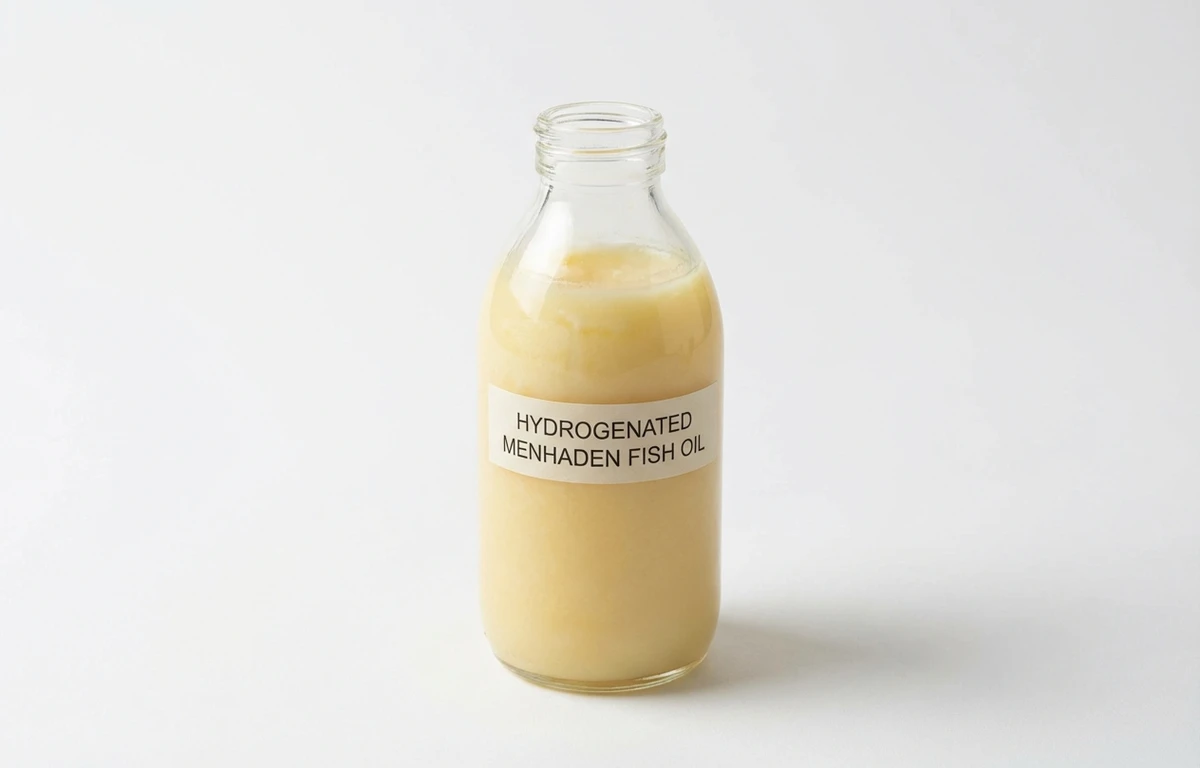
hydrogenated menhaden fish oil.
VegetarianVeganGluten-freeDairy-freeNut-freePeanut-freeSoy-freeEgg-freeShellfish-freeHoney-freeAlcohol-free
ALSO KNOWN AS
hydrogenated menhaden oil
SERVING
CALORIES
900
PROTEIN
0g
CARBS
0g
FAT
100g
FIBER
0g
This ingredient is flagged as naturally gluten-free. Per 100 g, it provides 0 µg of vitamin K.
NUTRITION PROFILE · per 100 g
Everything in this ingredient.
MACRONUTRIENTS
Calories900kcal—
Protein0g0%
Carbohydrates0g0%
Fiber0g0%
Sugar0g0%
Total fat100g128%
Saturated fat32.7g164%
Trans fat25g—
Cholesterol521mg174%
Water0g—
MINERALS
Sodium0mg0%
Potassium0mg0%
Calcium0mg0%
Iron0mg0%
Magnesium0mg0%
Phosphorus0mg0%
Zinc0mg0%
Copper0mg0%
Manganese0mg0%
Selenium0µg0%
VITAMINS
Vitamin A0µg0%
Vitamin C0mg0%
Vitamin D0µg0%
Vitamin E1.5mg10%
Vitamin K0µg0%
Thiamin (B1)0mg0%
Riboflavin (B2)0mg0%
Niacin (B3)0mg0%
Pantothenic acid (B5)0mg0%
Vitamin B60mg0%
Folate (B9)0µg0%
Vitamin B120µg0%
%DV based on a 2,000 cal diet. Source: USDA FoodData Central. A dash in the %DV column means there’s no established Daily Value for that nutrient.
MEASUREMENT CONVERSIONS
How much is what.
1 cup205g
1 tablespoon12.5g
1 teaspoon4.5g
1 ml0.8g
1 liter833.3g
HEALTH BENEFITS
Why eat it.
- ✓Creates a solid, stable fat from liquid oil, used to make shortening and margarine.
- ✓Increases the shelf-life of processed foods by being highly resistant to oxidation and rancidity.
- ✓Provides specific textures in commercial baked goods, such as flakiness in pastries.
- ✓Note: The hydrogenation process, particularly partial hydrogenation, creates trans fats, which are linked to negative cardiovascular health outcomes. It also destroys the beneficial omega-3 fatty acids found in natural fish oil.
COOKING TIPS
In the kitchen.
- 1This is an industrial ingredient and is not intended for home cooking.
- 2Used in the manufacturing of margarine, shortening, and commercial baked goods to provide structure and stability.
- 3It has a very high smoke point, making it suitable for commercial deep-frying, though it is a nutritionally poor choice.
- 4Its primary function is to alter the texture of food products, creating a specific mouthfeel or crumb.
STORAGE
Keep it fresh.
- Store in a cool, dark, and dry place, away from direct heat and sunlight.
- Keep in a tightly sealed, airtight container to prevent the absorption of foreign odors.
FAQ
Frequently asked questions.
What are the nutritional facts for hydrogenated menhaden fish oil?
Per 100g, hydrogenated menhaden fish oil contains approximately 900 calories and 100g of fat. It provides no protein or carbohydrates. The fat content primarily consists of saturated and trans fats, with minimal or no beneficial unsaturated fats.
Does hydrogenated menhaden fish oil provide beneficial omega-3 fatty acids?
No, despite originating from fish oil, the hydrogenation process significantly alters the fatty acid profile and destroys the beneficial omega-3 fatty acids (like EPA and DHA) that are naturally present in unhydrogenated fish oil. Therefore, it does not offer the cardiovascular benefits associated with omega-3s.
Is hydrogenated menhaden fish oil vegan or vegetarian?
No, hydrogenated menhaden fish oil is neither vegan nor vegetarian. Menhaden is a type of fish, and the oil is derived from its tissues, making it an animal product.
What is hydrogenated menhaden fish oil used for in food products?
It is primarily used in processed foods to create a solid, stable fat from liquid oil, similar to shortening or margarine. Its high resistance to oxidation and rancidity increases the shelf-life of products, and it provides specific textures, such as flakiness in commercial baked goods.
Can hydrogenated menhaden fish oil be used for home cooking?
While technically possible, hydrogenated menhaden fish oil is not typically sold for direct home cooking. It's primarily an industrial ingredient used in commercial food manufacturing due to its specific functional properties and the presence of trans fats makes it an unhealthy choice for regular consumption.
How does hydrogenation change fish oil?
Hydrogenation is a chemical process that adds hydrogen atoms to unsaturated fatty acids, converting them into saturated or trans fatty acids. This process solidifies liquid oils at room temperature, increases their stability and shelf-life, but also creates unhealthy trans fats and eliminates beneficial unsaturated fats like omega-3s.
Is hydrogenated menhaden fish oil gluten-free?
Yes, as a pure fat product, hydrogenated menhaden fish oil itself is naturally gluten-free. However, it is often an ingredient in processed foods, so always check the full ingredient list of the final product for other gluten-containing components.
How should products containing hydrogenated menhaden fish oil be stored?
Products containing hydrogenated menhaden fish oil benefit from its increased stability. They should generally be stored in a cool, dry place, away from direct sunlight and heat, to maintain their quality and extend shelf-life as indicated on the product packaging.



















