Other10 recipes
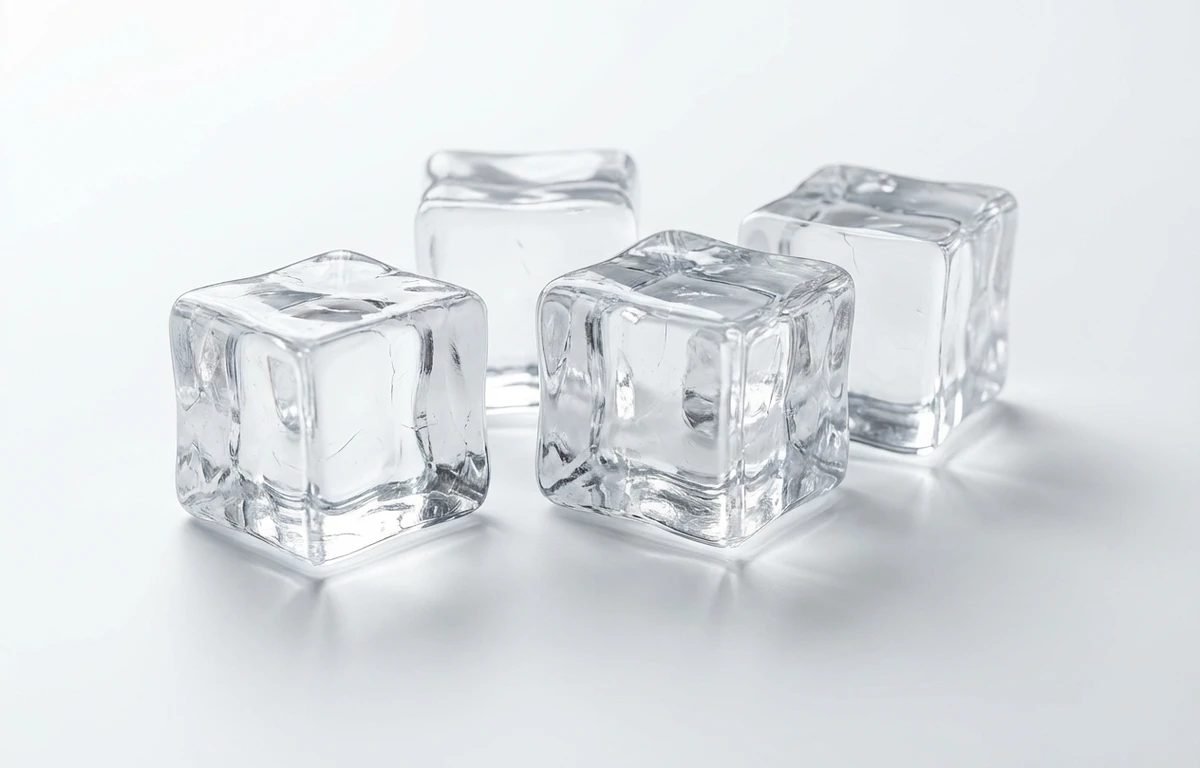
ice cubes.
VegetarianVeganGluten-freeDairy-freeNut-freePeanut-freeSoy-freeEgg-freeShellfish-freeHoney-freeAlcohol-freeHalalKosher
SERVING
CALORIES
0
PROTEIN
0g
CARBS
0g
FAT
0g
FIBER
0g
This ingredient is flagged as naturally gluten-free. Per 100 g, it provides 0 µg of vitamin K.
NUTRITION PROFILE · per 100 g
Everything in this ingredient.
MACRONUTRIENTS
Calories0kcal—
Protein0g0%
Carbohydrates0g0%
Fiber0g0%
Sugar0g0%
Total fat0g0%
Saturated fat0g0%
Trans fat0g—
Cholesterol0mg0%
Water100g—
MINERALS
Sodium1.0mg0%
VITAMINS
Vitamin A0µg0%
Vitamin C0mg0%
Vitamin D0µg0%
Vitamin E0mg0%
Vitamin K0µg0%
Thiamin (B1)0mg0%
Riboflavin (B2)0mg0%
Niacin (B3)0mg0%
Pantothenic acid (B5)0mg0%
Vitamin B60mg0%
Folate (B9)0µg0%
Vitamin B120µg0%
%DV based on a 2,000 cal diet. Source: USDA FoodData Central. A dash in the %DV column means there’s no established Daily Value for that nutrient.
MEASUREMENT CONVERSIONS
How much is what.
1 cup140g
1 oz28.4g
1 lb453.6g
1 piece25g
HEALTH BENEFITS
Why eat it.
- ✓Essential for hydration
- ✓Helps regulate body temperature
- ✓Calorie-free beverage cooling
- ✓Can help soothe minor burns or stings
COOKING TIPS
In the kitchen.
- 1Use filtered or distilled water for clearer, better-tasting ice
- 2Boil water twice before freezing to remove air for crystal clear cubes
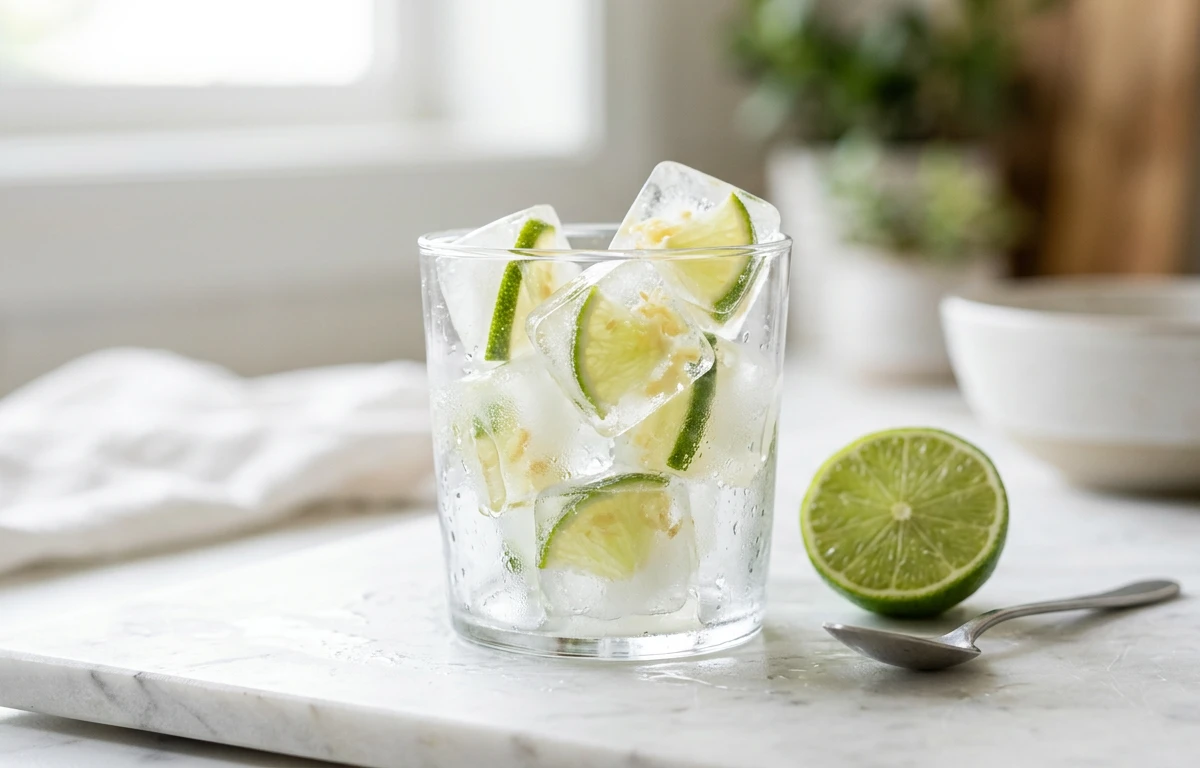
- 3Freeze herbs, citrus slices, or edible flowers inside cubes for decorative drinks
STORAGE
Keep it fresh.
- Store in an airtight bag or container to prevent absorbing freezer odors
- Keep at 0°F (-18°C) or lower to prevent melting and clumping
- Discard ice that has shrunk or developed a stale smell
FAQ
Frequently asked questions.
How long do ice cubes last in the freezer?
While they don't spoil, ice cubes are best used within 2-4 weeks. Over time, they undergo sublimation (shrink) and absorb odors from other foods in the freezer.
Why is my ice cloudy?
Cloudiness is caused by trapped air bubbles and minerals. Using filtered water and boiling it before freezing can help create clearer ice.
Can I freeze things other than water in ice trays?
Yes, you can freeze coffee, juice, wine, or herb-infused oil to use in cooking or to chill drinks without diluting them.
How do I get ice cubes out of the tray easily?
Briefly run the bottom of the tray under warm water or let it sit at room temperature for 60 seconds to loosen the cubes.
Is it safe to eat ice cubes?
Yes, but chewing hard ice frequently can lead to tooth enamel damage or cracked teeth.
How many calories are in ice?
Ice cubes contain zero calories as they are simply frozen water.
What can I use as a substitute for an ice tray?
You can use clean egg cartons, small muffin tins, or even a clean silicone chocolate mold.
Does ice expire?
Ice does not have a biological expiration date, but it can become unpalatable if it absorbs freezer 'funk' or odors from nearby meats and vegetables.
RECIPES
Cook with ice cubes.
10 recipes · sorted by what’s quick