
Other
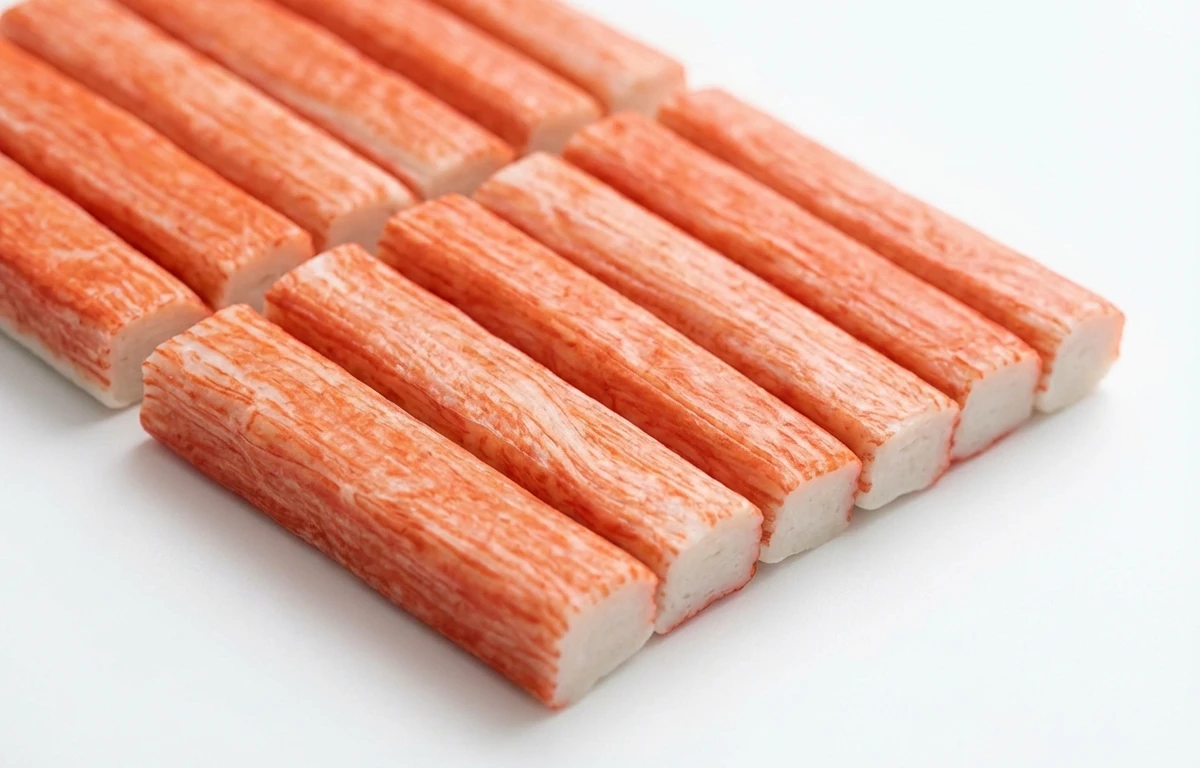
imitation crab meat.
VegetarianVeganGluten-freeDairy-freeNut-freePeanut-freeSoy-freeEgg-freeShellfish-freeHoney-freeAlcohol-free
ALSO KNOWN AS
krab meatsurimi seafood
SERVING
CALORIES
95
PROTEIN
7.6g
CARBS
13.3g
FAT
0.50g
FIBER
0g
Per 100 g, it provides 1.0 µg of vitamin K.
NUTRITION PROFILE · per 100 g
Everything in this ingredient.
MACRONUTRIENTS
Calories95kcal—
Protein7.6g15%
Carbohydrates13.3g5%
Fiber0g0%
Sugar6.6g13%
Total fat0.50g1%
Saturated fat0.10g1%
Cholesterol19mg6%
Water77.6g—
MINERALS
Sodium700mg30%
Potassium100mg2%
Calcium10mg1%
Iron0.20mg1%
Magnesium58mg14%
Phosphorus381mg30%
Zinc0.45mg4%
Copper0.04mg4%
Selenium30.1µg55%
VITAMINS
Vitamin A0µg0%
Vitamin C0mg0%
Vitamin D0µg0%
Vitamin E0.23mg2%
Vitamin K1.0µg1%
Thiamin (B1)0.04mg3%
Riboflavin (B2)0.11mg8%
Niacin (B3)0.84mg5%
Vitamin B60.18mg11%
Folate (B9)0µg0%
Vitamin B120.77µg32%
%DV based on a 2,000 cal diet. Source: USDA FoodData Central. A dash in the %DV column means there’s no established Daily Value for that nutrient.
MEASUREMENT CONVERSIONS
How much is what.
1 cup135g
1 tablespoon8.4g
1 teaspoon2.8g
1 oz28.4g
1 lb453.6g
1 ml0.6g
1 liter562.5g
HEALTH BENEFITS
Why eat it.
- ✓Lower in fat, calories, and cholesterol compared to real crab meat.
- ✓Provides a source of lean protein, primarily from pollock or other whitefish.
- ✓An affordable and accessible alternative to real crab, making it easier to incorporate seafood flavors into meals.
COOKING TIPS
In the kitchen.
- 1As it is pre-cooked, it is best used in cold dishes like salads, dips, and sushi (e.g., California rolls).
- 2If adding to hot dishes like soups, pastas, or casseroles, stir it in during the last few minutes of cooking just to heat through, as overcooking can make it rubbery.
- 3Gently shred the sticks by hand to mimic the texture of flaked crab meat for fillings and salads.
- 4Avoid high-heat cooking methods like grilling or pan-searing, which can cause it to fall apart or burn due to its starch content.
STORAGE
Keep it fresh.
- Store unopened packages in the refrigerator at or below 40°F (4°C) and use by the expiration date.
- Once opened, transfer to an airtight container, refrigerate, and consume within 3 days for best quality and safety.
FAQ
Frequently asked questions.
Is imitation crab healthy?
Imitation crab can be a part of a balanced diet, offering a lower-fat, lower-calorie, and lower-cholesterol alternative to real crab meat. It provides a source of lean protein, primarily from pollock or other whitefish. However, it is a processed food that often contains added sugars, sodium, and starches, so moderation is key.
What is imitation crab made of?
Imitation crab is primarily made from surimi, a paste created from finely minced and washed fish, usually pollock. This surimi is then mixed with other ingredients like starch (often wheat or tapioca), egg whites, sugar, salt, vegetable oil, and artificial flavorings and colorings to mimic the taste and texture of real crab meat.
What are the nutritional values of imitation crab?
Per 100g, imitation crab typically contains around 95 calories, 7.6g of protein, 13.3g of carbohydrates, and 0.5g of fat. It's relatively low in fat and calories but has a moderate amount of carbohydrates due to added starches and sugars.
Is imitation crab vegan or vegetarian?
No, imitation crab is neither vegan nor vegetarian. It is made from fish (surimi), which means it is a seafood product. Additionally, some varieties may contain egg whites, further excluding it from a vegan diet.
How do you cook or prepare imitation crab?
Imitation crab is typically sold pre-cooked and can be eaten straight from the package. It's commonly used cold in salads, sushi rolls, and seafood cocktails. If heating, do so gently and briefly, as overcooking can make it rubbery; it's best added at the end of cooking to warm through.
What does imitation crab taste like?
Imitation crab has a mild, slightly sweet, and subtly fishy flavor, designed to mimic the delicate taste of real crab. Its texture is typically flaky and somewhat chewy, though less fibrous than natural crab meat. It's often described as having a pleasant, inoffensive seafood flavor.
How long does imitation crab last?
An unopened package of imitation crab can last for several weeks in the refrigerator, up to the printed 'best by' date. Once opened, it's best to consume it within 3 to 5 days. Freezing imitation crab is possible for longer storage, up to 2-3 months, though the texture may change slightly upon thawing.
Does imitation crab contain real crab meat?
Generally, imitation crab does not contain real crab meat. It is primarily made from surimi, which is a paste of whitefish. While some premium brands might add a very small amount of real crab extract for flavor, it's not a significant component, and most varieties contain none.



















