
Protein6 recipes
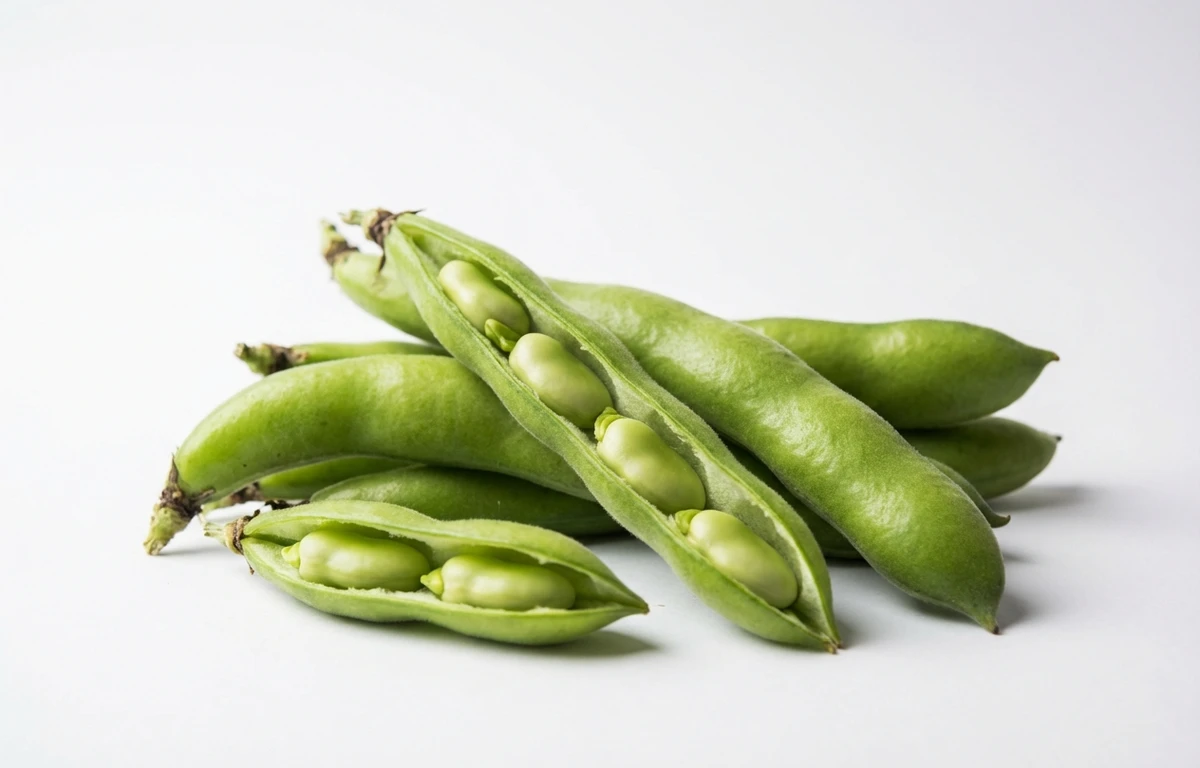
indian broad beans.
VegetarianVeganGluten-freeDairy-freeNut-freePeanut-freeSoy-freeEgg-freeShellfish-freeHoney-freeAlcohol-free
ALSO KNOWN AS
semsem phalivalpapdichikkudukayaavarakkaihyacinth beanslablab beanssurti papdiavarekalulablab beanfield beandolichos beanIndian beansraw hyacinth beans
SERVING
CALORIES
49
PROTEIN
3.2g
CARBS
8.5g
FAT
0.20g
FIBER
3.5g
NUTRITION PROFILE · per 100 g
Everything in this ingredient.
MACRONUTRIENTS
Calories48.6kcal—
Protein3.2g6%
Carbohydrates8.5g3%
Fiber3.5g13%
Sugar1.5g3%
Total fat0.20g0%
Saturated fat0.04g0%
Trans fat0g—
Cholesterol0mg0%
Water87g—
MINERALS
Sodium5.0mg0%
Potassium260mg6%
Calcium42mg3%
Iron1.1mg6%
Magnesium40mg10%
Phosphorus52mg4%
Zinc0.40mg4%
Copper0.10mg11%
Manganese0.20mg9%
Selenium0.80µg1%
VITAMINS
Vitamin A43µg5%
Vitamin C12.5mg14%
Vitamin D0µg0%
Vitamin E0.10mg1%
Vitamin K15µg13%
Thiamin (B1)0.10mg8%
Riboflavin (B2)0.10mg8%
Niacin (B3)0.70mg4%
Pantothenic acid (B5)0.20mg4%
Vitamin B60.10mg6%
Folate (B9)47µg12%
Vitamin B120µg0%
%DV based on a 2,000 cal diet. Source: USDA FoodData Central. A dash in the %DV column means there’s no established Daily Value for that nutrient.
MEASUREMENT CONVERSIONS
How much is what.
1 cup120g
1 tablespoon7.5g
1 teaspoon2.5g
1 oz28.4g
1 lb453.6g
1 ml0.5g
1 liter500g
1 piece10g
HEALTH BENEFITS
Why eat it.
- ✓High in dietary fiber which aids digestion and prevents constipation
- ✓Good source of plant-based protein for muscle maintenance
- ✓Rich in folate (Vitamin B9) which is essential for cell division and DNA synthesis
- ✓Contains antioxidants that help reduce oxidative stress in the body
- ✓Low glycemic index makes it suitable for blood sugar management
COOKING TIPS
In the kitchen.
- 1Always remove the tough fibrous string from both sides of the pod before cooking
- 2Can be cooked whole if young and tender, but larger pods should be chopped
- 3Pairs exceptionally well with potatoes (Aloo Sem) and mustard-based spice pastes
STORAGE
Keep it fresh.
- Store in a breathable mesh bag or paper bag in the refrigerator crisper drawer
- Keep the beans dry; moisture on the surface can lead to rapid spoilage and mold
- Best consumed within 3 to 5 days of purchase for optimal freshness and snap
FAQ
Frequently asked questions.
How long do Indian broad beans last in the fridge?
They typically stay fresh for 3 to 5 days when stored in a cool, dry place like the refrigerator crisper drawer.
Do I need to peel Indian broad beans?
You don't peel them like a potato, but you must 'string' them by pulling the fibrous thread along the edges of the pod.
Can I freeze Indian broad beans?
Yes, blanch them in boiling water for 2 minutes, cool in ice water, dry thoroughly, and store in airtight freezer bags for up to 6 months.
What is a good substitute for Indian broad beans?
Flat green beans, runner beans, or snap peas can be used as substitutes, though the flavor profile will slightly differ.
Are Indian broad beans the same as Fava beans?
No, Indian broad beans (Hyacinth beans/Lablab) are different from Fava beans (Vicia faba) in both appearance and taste.
How do I pick the best quality beans?
Look for pods that are firm, bright green, and snap easily when bent. Avoid pods that are limp, yellowed, or have dark spots.
Are the seeds inside edible?
Yes, the seeds inside are edible and highly nutritious. In mature pods, the seeds are often the main part consumed.
What are the common regional names in India?
They are known as Sem in Hindi, Avarakkai in Tamil, Chikkudukaya in Telugu, and Val in Marathi/Gujarati.
Can they be eaten raw?
It is generally recommended to cook them as raw mature beans can contain cyanogenic glycosides which are neutralized by cooking.
RECIPES
Cook with indian broad beans.
6 recipes · sorted by what’s quick



















