
Dairy
indian buffalo milk.
VegetarianVeganGluten-freeDairy-freeNut-freePeanut-freeSoy-freeEgg-freeShellfish-freeHoney-freeAlcohol-free
ALSO KNOWN AS
buffalo milk
SERVING
CALORIES
97
PROTEIN
3.8g
CARBS
4.9g
FAT
7.5g
FIBER
0g
NUTRITION PROFILE · per 100 g
Everything in this ingredient.
MACRONUTRIENTS
Calories97kcal—
Protein3.8g8%
Carbohydrates4.9g2%
Fiber0g0%
Sugar4.9g10%
Total fat7.5g10%
Saturated fat4.6g23%
Trans fat0.20g—
Cholesterol19mg6%
Water83.4g—
MINERALS
Sodium52mg2%
Potassium178mg4%
Calcium169mg13%
Iron0.12mg1%
Magnesium31mg7%
Phosphorus117mg9%
Zinc0.22mg2%
Copper0.01mg1%
Manganese0.02mg1%
Selenium2.5µg5%
VITAMINS
Vitamin A53µg6%
Vitamin C2.3mg3%
Vitamin D0.10µg1%
Vitamin E0.10mg1%
Vitamin K0.30µg0%
Thiamin (B1)0.05mg4%
Riboflavin (B2)0.14mg11%
Niacin (B3)0.09mg1%
Pantothenic acid (B5)0.31mg6%
Vitamin B60.02mg1%
Folate (B9)5.0µg1%
Vitamin B120.36µg15%
%DV based on a 2,000 cal diet. Source: USDA FoodData Central. A dash in the %DV column means there’s no established Daily Value for that nutrient.
MEASUREMENT CONVERSIONS
How much is what.
1 cup244g
1 tablespoon15.3g
1 teaspoon5.1g
1 ml1g
1 liter1016.7g
HEALTH BENEFITS
Why eat it.
- ✓Higher in protein and calcium than cow's milk, supporting bone health and muscle development.
- ✓Rich in fat content, providing a dense source of energy and creating creamier dairy products.
- ✓Contains significant amounts of minerals like magnesium, potassium, and phosphorus, which are vital for heart health and metabolic functions.
- ✓May be a suitable alternative for some with cow's milk allergies, as it has a different casein protein structure.
COOKING TIPS
In the kitchen.
- 1Due to its high fat content (7-8%), it is ideal for making rich, creamy products like thick yogurt (dahi), paneer, ghee, and traditional Indian sweets (khoya, rabri).
- 2The higher protein and fat make it more heat-stable, reducing the likelihood of curdling when used in sauces or heated for beverages.
- 3When boiling, heat it slowly and stir frequently to prevent a thick layer of cream (malai) from forming on top and to avoid scorching the bottom of the pan.
- 4Use it as a direct substitute for cow's milk in coffee, tea, or smoothies for a significantly richer and creamier texture.
STORAGE
Keep it fresh.
- Refrigerate immediately at a temperature below 40°F (4°C) to maintain freshness and prevent bacterial growth.
- Keep in its original, opaque container and store it in the main body of the refrigerator, not the door, to ensure a consistent cold temperature.
- Consume within 5-7 days after opening or by the 'use by' date printed on the packaging.
FAQ
Frequently asked questions.
Is Indian buffalo milk healthy?
Yes, Indian buffalo milk is highly nutritious. It's richer in protein and calcium than cow's milk, supporting bone health and muscle development. Its higher fat content provides a dense energy source, and it contains essential minerals like magnesium, potassium, and phosphorus.
What are the specific nutritional values of Indian buffalo milk?
Per 100g, Indian buffalo milk provides approximately 97 calories, 3.8 grams of protein, 4.9 grams of carbohydrates, and 7.5 grams of fat. It's also a good source of calcium, phosphorus, and other essential minerals, often surpassing cow's milk in these aspects.
How does Indian buffalo milk compare nutritionally to cow's milk?
Indian buffalo milk generally has higher fat, protein, and calcium content than cow's milk. This makes it a richer and creamier option, providing more energy and bone-strengthening minerals per serving compared to typical cow's milk.
Is Indian buffalo milk lactose-free?
No, Indian buffalo milk is not lactose-free. Like cow's milk, it contains lactose, the natural sugar found in milk. While some individuals might find it slightly easier to digest due to different protein structures, it is not suitable for those with severe lactose intolerance.
Can people with cow's milk allergies consume Indian buffalo milk?
Some individuals with cow's milk allergies may tolerate buffalo milk because it has a different casein protein structure. However, it's not guaranteed, and those with allergies should consult a doctor before trying it, as cross-reactivity can occur.
Is Indian buffalo milk vegan?
No, Indian buffalo milk is not vegan. It is a dairy product derived from animals, specifically buffaloes, and therefore does not fit into a vegan diet.
What is Indian buffalo milk commonly used for in cooking?
Due to its higher fat content, Indian buffalo milk is prized for making rich, creamy dairy products like paneer, mozzarella cheese, ghee, and yogurt (dahi). It's also widely used in traditional Indian sweets and desserts for its thick texture and distinct flavor.
Does Indian buffalo milk taste different from cow's milk?
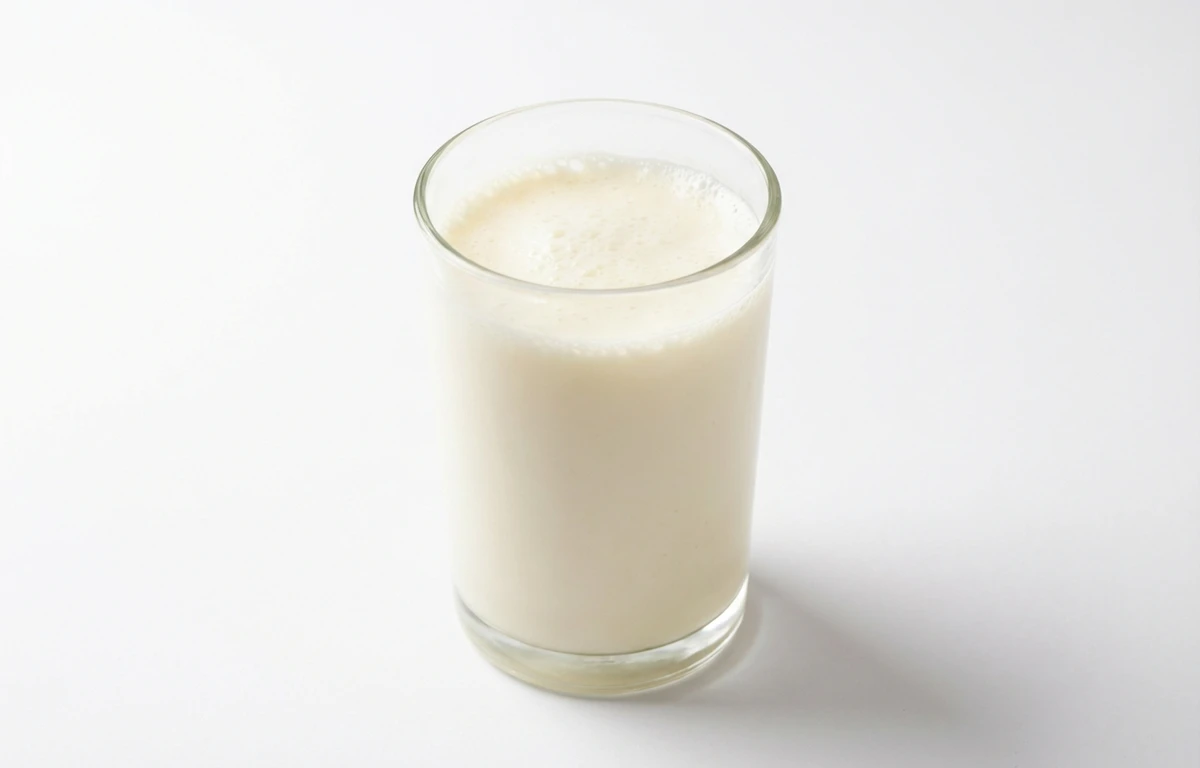
Yes, Indian buffalo milk generally has a richer, creamier, and slightly sweeter taste compared to cow's milk, largely due to its higher fat content. It also tends to be whiter in color and has a thicker consistency.
How should I store Indian buffalo milk?
Indian buffalo milk should be stored in the refrigerator at or below 4°C (40°F) in an airtight container. Once opened, consume it within 3-5 days, similar to cow's milk, to maintain freshness and prevent spoilage.
Can Indian buffalo milk be frozen?
Yes, Indian buffalo milk can be frozen for longer storage, typically up to 3-6 months. Freeze it in airtight containers, leaving some headspace as it expands. Thaw it in the refrigerator and shake well before use, as some separation may occur.



















