
Other
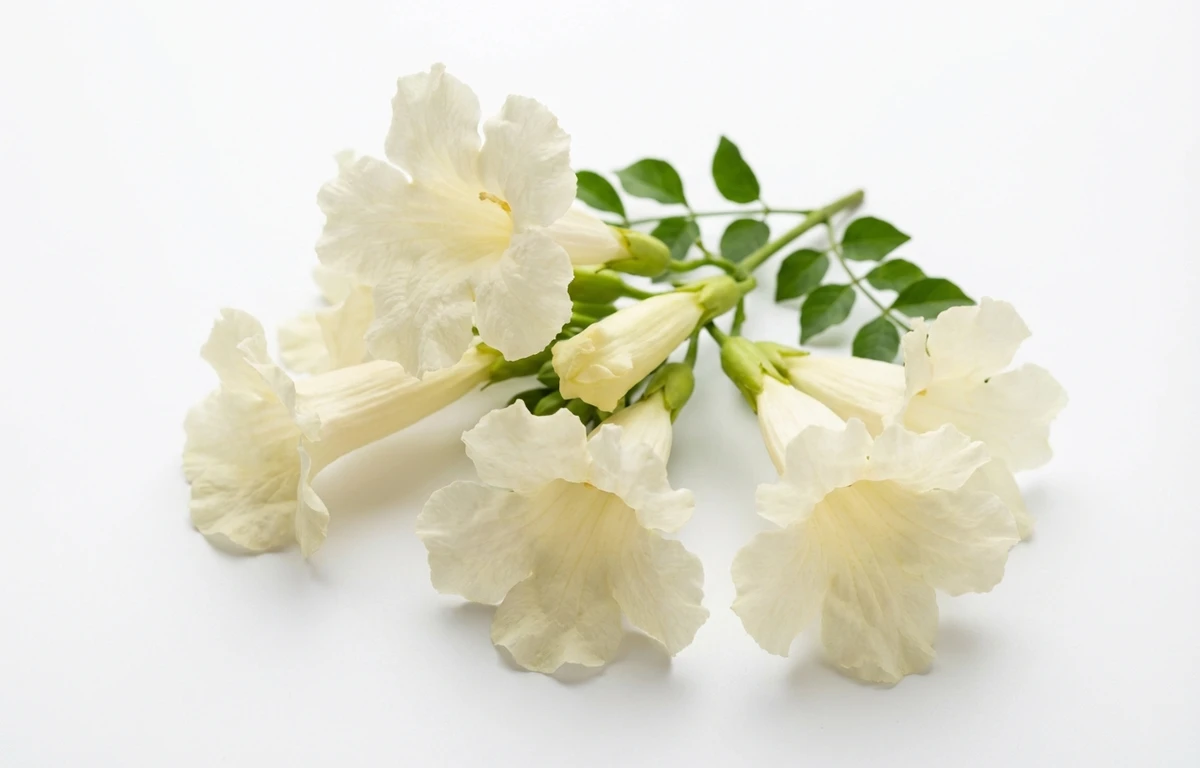
indian trumpet flower.
VegetarianVeganGluten-freeDairy-freeNut-freePeanut-freeSoy-freeEgg-freeShellfish-freeHoney-freeAlcohol-free
ALSO KNOWN AS
broken bones tree flowertotilashyonakasonapathamidnight horror floweroroxylum indicumshetupharkondam-pala
SERVING
CALORIES
35
PROTEIN
1.8g
CARBS
7.2g
FAT
0.30g
FIBER
3.5g
This ingredient is flagged as naturally gluten-free. Per 100 g, it provides 12 µg of vitamin K.
NUTRITION PROFILE · per 100 g
Everything in this ingredient.
MACRONUTRIENTS
Calories35kcal—
Protein1.8g4%
Carbohydrates7.2g3%
Fiber3.5g13%
Sugar1.2g2%
Total fat0.30g0%
Saturated fat0.05g0%
Trans fat0g—
Cholesterol0mg0%
Water88g—
MINERALS
Sodium5.0mg0%
Potassium245mg5%
Calcium62mg5%
Iron1.1mg6%
Magnesium28mg7%
Phosphorus40mg3%
Zinc0.40mg4%
Copper0.08mg9%
Manganese0.15mg7%
Selenium0.50µg1%
VITAMINS
Vitamin A22µg2%
Vitamin C18mg20%
Vitamin D0µg0%
Vitamin E0.40mg3%
Vitamin K12µg10%
Thiamin (B1)0.05mg4%
Riboflavin (B2)0.08mg6%
Niacin (B3)0.60mg4%
Pantothenic acid (B5)0.20mg4%
Vitamin B60.10mg6%
Folate (B9)35µg9%
Vitamin B120µg0%
%DV based on a 2,000 cal diet. Source: USDA FoodData Central. A dash in the %DV column means there’s no established Daily Value for that nutrient.
MEASUREMENT CONVERSIONS
How much is what.
1 cup120g
1 oz28.4g
1 lb453.6g
1 piece25g
HEALTH BENEFITS
Why eat it.
- ✓High fiber content aids in healthy digestion and bowel movements.
COOKING TIPS
In the kitchen.
- 1Remove the inner stamens and pistils before cooking as they can be excessively bitter.
- 2Blanch the flowers in boiling salted water for 2 minutes to reduce natural bitterness.
- 3Sauté with aromatic spices like turmeric and cumin to complement its unique earthy flavor.
STORAGE
Keep it fresh.
- Store fresh flowers in a paper bag in the refrigerator crisper drawer.
- Keep the flowers dry; moisture will cause them to wilt and rot quickly.
- Best consumed within 2-3 days of harvesting or purchase for optimal flavor.
FAQ
Frequently asked questions.
What does Indian Trumpet Flower taste like?
It has a unique, slightly bitter, and earthy flavor profile, similar to bitter gourd but with a floral note.
How do I select the best Indian Trumpet Flowers?
Look for flowers that are firm, vibrant in color (usually cream or purplish-red depending on variety), and free from dark spots or wilting.
Can the pods of the Indian Trumpet tree also be eaten?
Yes, the young, tender green pods are often sliced and cooked as a vegetable, while the mature pods are too woody.
What is a good substitute for Indian Trumpet Flower?
Bitter gourd (karela) or Sesbania grandiflora (Agathi Poo) are the best substitutes due to their similar bitter-savory profiles.
How should I prepare it for a stir-fry?
Wash thoroughly, remove the bitter centers, chop into bite-sized pieces, and blanch briefly before adding to the pan.
Can I freeze Indian Trumpet Flowers?
It is best to blanch them first, then pat dry and freeze in airtight bags for up to 3 months.
Are there any religious restrictions for this vegetable?
No, it is generally considered Sattvic and is acceptable in most vegetarian and religious diets, including Jain diets as it is not a root vegetable.
When is it in season?
It typically blooms and is available during the monsoon and post-monsoon seasons in tropical regions.



















