
Loading...
Also known as:
Per 100g
Nutrition data source: USDA FoodData Central
Common measurement equivalents in grams
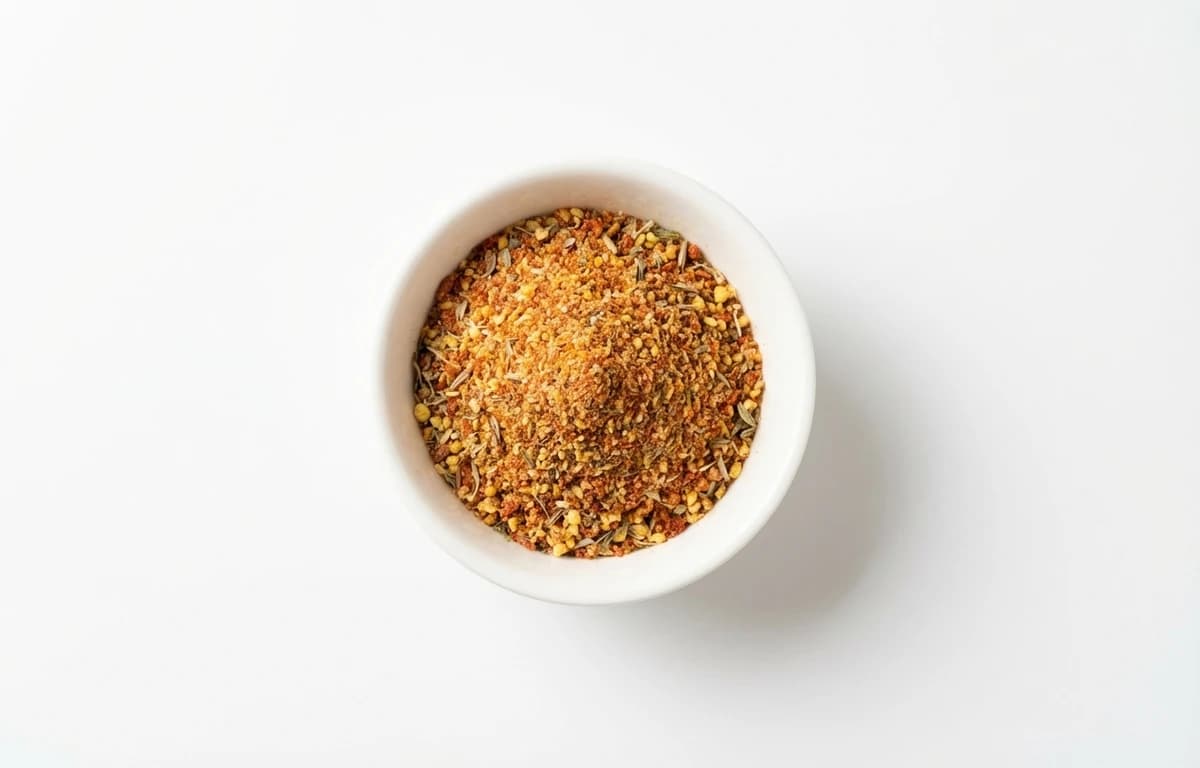
Instant noodle tastemakers are primarily designed for flavor and convenience. While they add taste, they are generally high in sodium, artificial flavors, and sometimes preservatives. They offer minimal nutritional value and should be consumed in moderation as part of a balanced diet.
Per 100g, instant noodle tastemaker typically contains around 350 calories, 8g protein, 55g carbohydrates, and 10g fat. It's important to note that a single serving packet is usually much smaller than 100g, so actual intake per meal would be less.
Yes, instant noodle tastemakers are notoriously high in sodium. This is a key component for flavor enhancement and preservation. Excessive sodium intake can contribute to high blood pressure and other health issues, so moderation is advised.
It depends on the specific brand and flavor. Many tastemakers contain animal-derived ingredients like meat extracts, dairy, or seafood. Always check the ingredient list for specific allergens and animal products if you follow a vegan or vegetarian diet.
Most instant noodle tastemakers are not gluten-free, as they often contain wheat flour, soy sauce (which can contain wheat), or other gluten-containing ingredients as thickeners or flavor bases. Always check the label for certified gluten-free options if you have celiac disease or gluten sensitivity.
Diabetics should consume instant noodle tastemakers with caution due to their carbohydrate content (55g per 100g) and high sodium levels. The high sodium can impact blood pressure, and the carbs can affect blood sugar. It's best to consult a healthcare professional or dietitian.
instant noodle tastemaker is a versatile ingredient found in cuisines around the world. With 350 calories per 100g and 8 grams of protein, it's a nutritious addition to many dishes.
Explore more ingredients in the processed category with complete nutrition information.
View all processed →Discover 1 recipes featuring instant noodle tastemaker with step-by-step instructions.
Browse recipes →Explore more ingredients similar to instant noodle tastemaker.
The most-searched ingredients on CraftMyMeals.
The primary use is to flavor instant noodles. Typically, you add the tastemaker packet to boiling water along with the noodles, or stir it into cooked noodles and water. It can also be used as a seasoning for other dishes like stir-fries, soups, or rice for a quick flavor boost.
The taste varies widely by flavor (e.g., chicken, beef, vegetable, spicy). Generally, it provides a savory, umami-rich, and often salty flavor profile, sometimes with a hint of sweetness, spice, or tanginess, designed to mimic the intended dish.
Instant noodle tastemaker packets are shelf-stable and should be stored in a cool, dry place away from direct sunlight and moisture. Once opened, it's best to use the entire packet or seal any remaining portion tightly to maintain freshness and prevent clumping.
Many instant noodle tastemakers do contain Monosodium Glutamate (MSG) as a flavor enhancer. MSG is generally recognized as safe (GRAS) by regulatory bodies, but some individuals report sensitivity. Check the ingredient list if you wish to avoid MSG.