Grain1 recipes
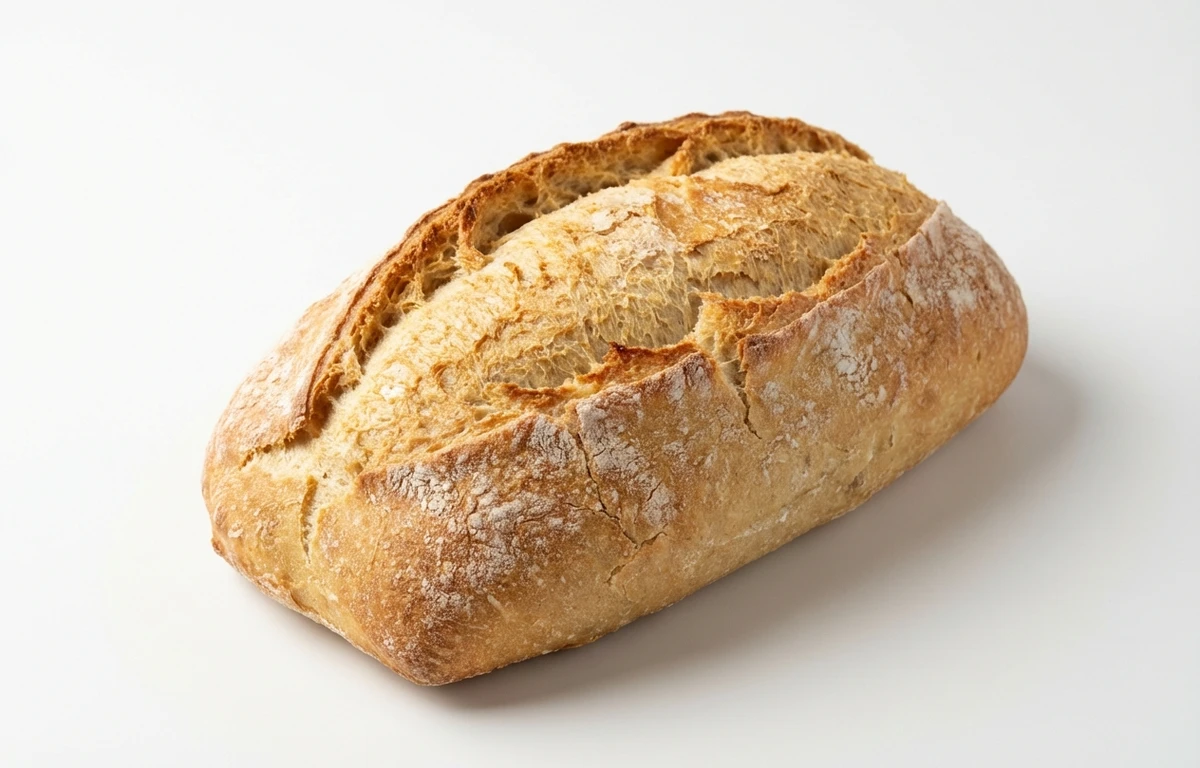
italian bread.
VegetarianVeganGluten-freeDairy-freeNut-freePeanut-freeSoy-freeEgg-freeShellfish-freeHoney-freeAlcohol-freeFermented
ALSO KNOWN AS
Italian loaf
SERVING
CALORIES
259
PROTEIN
9.5g
CARBS
48.1g
FAT
2.7g
FIBER
2.1g
NUTRITION PROFILE · per 100 g
Everything in this ingredient.
MACRONUTRIENTS
Calories259kcal—
Protein9.5g19%
Carbohydrates48.1g17%
Fiber2.1g8%
Sugar4.7g9%
Total fat2.7g3%
Saturated fat0.54g3%
Trans fat0.02g—
Cholesterol0mg0%
Water37.5g—
MINERALS
Sodium618mg27%
Potassium124mg3%
Calcium105mg8%
Iron3.5mg19%
Magnesium26mg6%
Phosphorus95mg8%
Zinc0.79mg7%
Copper0.12mg13%
Manganese0.49mg21%
Selenium17.2µg31%
VITAMINS
Vitamin A0µg0%
Vitamin C0mg0%
Vitamin D0µg0%
Vitamin E0.29mg2%
Vitamin K3.0µg3%
Thiamin (B1)0.58mg48%
Riboflavin (B2)0.32mg25%
Niacin (B3)4.5mg28%
Pantothenic acid (B5)0.37mg7%
Vitamin B60.10mg6%
Folate (B9)102µg26%
Vitamin B120µg0%
%DV based on a 2,000 cal diet. Source: USDA FoodData Central. A dash in the %DV column means there’s no established Daily Value for that nutrient.
MEASUREMENT CONVERSIONS
How much is what.
1 piece340g
HEALTH BENEFITS
Why eat it.
- ✓Provides a quick source of carbohydrates for energy.
- ✓Often fortified with B vitamins (thiamin, niacin, riboflavin) and iron.
- ✓Naturally low in fat and cholesterol when consumed plain.
- ✓The fermentation process can create prebiotics that may support gut health.
COOKING TIPS
In the kitchen.
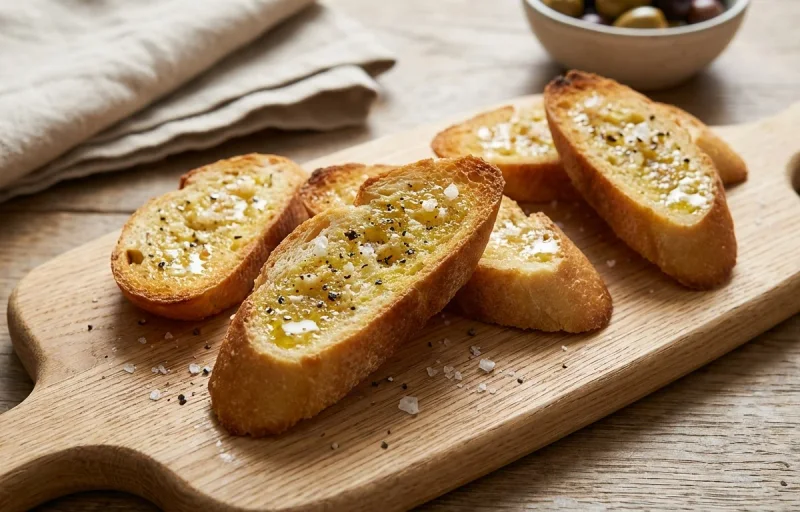
- 1Slice and toast to create a base for bruschetta or crostini.
- 2Use stale or day-old bread to make homemade croutons or breadcrumbs.
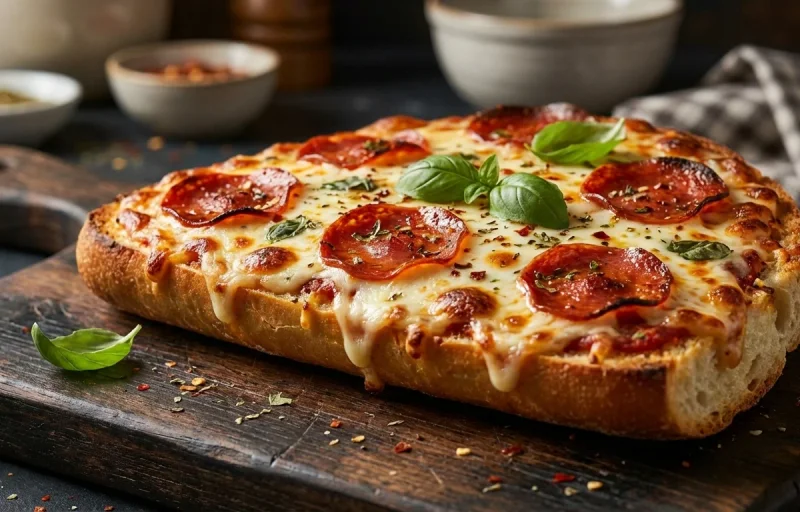
- 3Its sturdy crust and soft interior make it ideal for paninis and grilled sandwiches.
- 4Serve alongside soups, stews, or pasta to soak up sauces and broth.
STORAGE
Keep it fresh.
- Store at room temperature in a paper bag or bread box for up to 3 days to maintain a crisp crust; avoid plastic bags which trap moisture and soften the crust.
- For longer storage, slice and freeze in an airtight freezer bag for up to 3 months. Toast or bake slices directly from frozen.
FAQ
Frequently asked questions.
Is Italian bread healthy?
Italian bread provides a quick source of energy from carbohydrates and is often fortified with B vitamins and iron. It's naturally low in fat and cholesterol when eaten plain. However, like all breads, it should be consumed in moderation as part of a balanced diet due to its calorie and carb content.
How many calories and carbs are in Italian bread?
Approximately 100g of Italian bread contains about 259 calories and 48.11g of carbohydrates. It also provides around 9.49g of protein and 2.73g of fat.
Is Italian bread good for weight loss?
While Italian bread is low in fat, its high carbohydrate and calorie content means it should be consumed in moderation if you're aiming for weight loss. Portion control is key, as excessive intake can contribute to a calorie surplus. Opting for whole-grain versions, if available, can add more fiber.
Is Italian bread gluten-free?
No, traditional Italian bread is not gluten-free. It is typically made from wheat flour, which contains gluten. Individuals with celiac disease or gluten sensitivity should avoid it or seek specifically labeled gluten-free alternatives.
Can diabetics eat Italian bread?
Diabetics can eat Italian bread, but careful portion control is essential due to its high carbohydrate content, which can impact blood sugar levels. It's best consumed with protein and fiber to help slow glucose absorption, and monitoring blood sugar is recommended. Consulting a healthcare professional or dietitian for personalized advice is always best.
Is Italian bread vegan?
Most traditional Italian bread recipes are vegan, typically made from flour, water, yeast, and salt. However, some variations might include ingredients like milk, butter, or eggs for added richness or texture, so it's always best to check the ingredient list if you're strictly vegan.
What is Italian bread best used for?
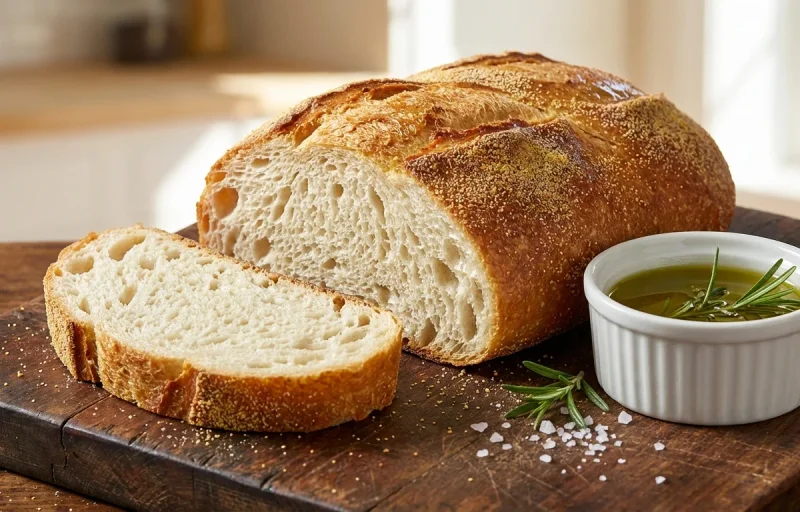
Italian bread is incredibly versatile. It's excellent for making sandwiches, bruschetta, garlic bread, or simply served alongside pasta dishes, soups, and salads for dipping in olive oil or sauce. Its crusty exterior and soft interior make it perfect for absorbing flavors.
What does Italian bread taste like?
Italian bread typically has a mild, slightly yeasty flavor with a satisfyingly chewy, soft interior crumb. Its defining characteristic is often a crisp, golden-brown crust that provides a pleasant textural contrast. The taste is generally neutral, making it a great accompaniment to many dishes.
How do you store Italian bread to keep it fresh?
To keep Italian bread fresh for a day or two, store it at room temperature in a paper bag to maintain its crust, or in a bread box. For longer storage, wrap it tightly in plastic wrap or foil, then place it in an airtight container or freezer bag. Avoid refrigeration, as it can make the bread stale faster.
Can you freeze Italian bread?
Yes, Italian bread freezes very well. To freeze, wrap the whole loaf or sliced portions tightly in plastic wrap, then place in a freezer-safe bag. It can be stored for up to 3 months. Thaw at room temperature or reheat in the oven for a fresh-baked texture.
RECIPES
Cook with italian bread.
1 recipes · sorted by what’s quick