
Loading...
Per 100g
Nutrition data source: USDA FoodData Central
Common measurement equivalents in grams
When stored in a cool, dry place in an airtight container, it can last for 1-2 years. For maximum freshness, consume within 6 months.
Sushi rice is a short-grain variety that is starchier and stickier when cooked, allowing it to hold its shape in rolls and nigiri.
It is not recommended for sushi or onigiri as Jasmine rice is long-grain and lacks the necessary stickiness to hold together.
Rinsing removes surface starch that can make the rice gummy or slimy rather than pleasantly sticky and distinct.
Yes, all natural rice varieties, including short-grain 'glutinous' rice (which refers to texture, not gluten), are gluten-free.
Yes, cooked rice freezes very well. Wrap it tightly in plastic wrap while still warm to retain moisture, then freeze.
Look for uniform, translucent white grains with very few broken pieces or chalky white spots.
Generally, a 1:1 or 1:1.1 ratio of rice to water works best for most modern rice cookers.
No. While short-grain rice is sticky, 'sticky rice' usually refers to Mochigome (glutinous rice), which is much stickier and used for mochi.
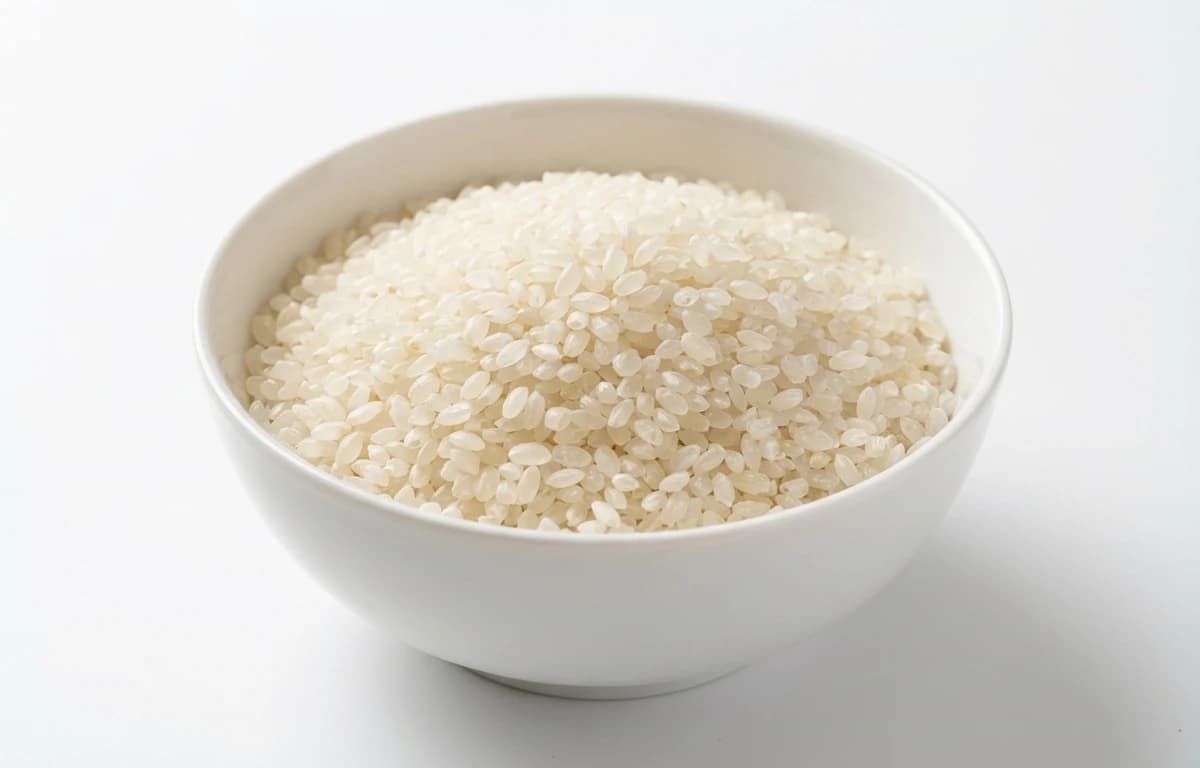
Japanese Short-Grain Rice is a versatile ingredient found in cuisines around the world. With 358 calories per 100g and 6.5 grams of protein, it's a nutritious addition to many dishes.
Explore more ingredients in the grain category with complete nutrition information.
View all grain →Discover 1 recipes featuring japanese short-grain rice with step-by-step instructions.
Browse recipes →