Other1 recipes
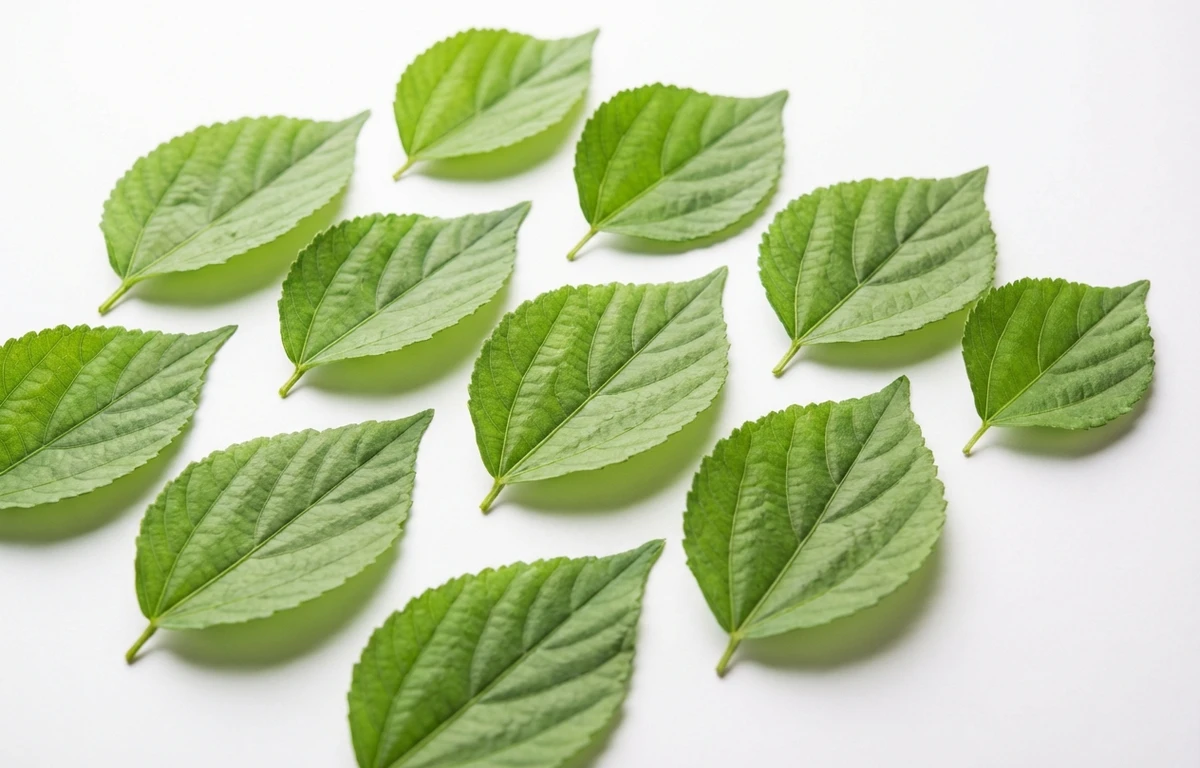
jute leaves.
VegetarianVeganGluten-freeDairy-freeNut-freePeanut-freeSoy-freeEgg-freeShellfish-freeHoney-freeAlcohol-free
ALSO KNOWN AS
babori xaakmolokhia leavessaluyot
SERVING
CALORIES
44
PROTEIN
4.5g
CARBS
5.8g
FAT
0.30g
FIBER
2.0g
This ingredient is flagged as naturally gluten-free. Per 100 g, it provides 108 µg of vitamin K.
NUTRITION PROFILE · per 100 g
Everything in this ingredient.
MACRONUTRIENTS
Calories43.9kcal—
Protein4.5g9%
Carbohydrates5.8g2%
Fiber2.0g7%
Sugar0.50g1%
Total fat0.30g0%
Saturated fat0.05g0%
Trans fat0g—
Cholesterol0mg0%
Water80.4g—
MINERALS
Sodium8.0mg0%
Potassium444mg9%
Calcium208mg16%
Iron4.8mg27%
Magnesium64mg15%
Phosphorus83mg7%
Zinc0.80mg7%
Copper0.20mg22%
Manganese0.50mg22%
Selenium0.90µg2%
VITAMINS
Vitamin A278µg31%
Vitamin C37mg41%
Vitamin D0µg0%
Vitamin E1.5mg10%
Vitamin K108µg90%
Thiamin (B1)0.13mg11%
Riboflavin (B2)0.28mg22%
Niacin (B3)1.2mg8%
Pantothenic acid (B5)0.07mg1%
Vitamin B60.60mg35%
Folate (B9)123µg31%
Vitamin B120µg0%
%DV based on a 2,000 cal diet. Source: USDA FoodData Central. A dash in the %DV column means there’s no established Daily Value for that nutrient.
MEASUREMENT CONVERSIONS
How much is what.
1 cup28g
1 tablespoon1.8g
1 teaspoon0.6g
1 ml0.1g
1 liter116.7g
HEALTH BENEFITS
Why eat it.
- ✓Rich in vitamins and minerals, particularly Vitamin A (as beta-carotene), Vitamin C, iron, and calcium.
- ✓Supports digestive health due to its high content of mucilaginous fiber, which can soothe the digestive tract.
COOKING TIPS
In the kitchen.
- 1Jute leaves release a mucilaginous (slimy) substance when cooked; to reduce this, add an acidic ingredient like lemon juice, vinegar, or tomatoes near the end of cooking.
- 2Finely chop or mince the leaves before adding to soups or stews, like the classic Egyptian dish Molokhia, to ensure they cook down into a smooth, consistent sauce.
- 3Sauté with garlic and onions as a base before adding broth or other liquids to build a flavorful foundation for your dish.
- 4Avoid overcooking, as it can intensify the slimy texture and diminish the vibrant green color. A brief simmer of 10-15 minutes is usually sufficient.
STORAGE
Keep it fresh.
- For fresh leaves, wrap them loosely in a damp paper towel, place in a plastic bag, and store in the refrigerator's crisper drawer for up to 5 days.
- To freeze, blanch the leaves for 1-2 minutes, plunge into an ice bath to stop the cooking, drain thoroughly, and store in an airtight container or freezer bag for up to 6 months.
FAQ
Frequently asked questions.
What are the nutritional values of jute leaves?
Per 100g, jute leaves are low in calories, providing only about 34 calories. They offer a good amount of protein (around 4.5g), moderate carbohydrates (about 5.8g), and are very low in fat (around 0.3g). They are also packed with vitamins A, C, iron, and calcium.
Are jute leaves good for digestion?
Absolutely. Jute leaves are known for their high content of mucilaginous fiber, which gives them a slightly slimy texture when cooked. This fiber is excellent for digestive health, helping to soothe the digestive tract and promote regular bowel movements.
Are jute leaves vegan and gluten-free?
Yes, jute leaves are naturally vegan as they are a plant-based vegetable. They are also inherently gluten-free, making them suitable for individuals following a gluten-free diet.
How do you cook jute leaves?
Jute leaves are typically cooked by boiling or simmering until tender. They are often used in stews, soups, or as a side dish, particularly in African, Middle Eastern, and Asian cuisines. Common preparations involve combining them with other vegetables, meats, or spices.
What do jute leaves taste like and what is their texture?
Jute leaves have a mild, slightly bitter taste, often described as earthy or grassy. When cooked, their most distinctive feature is their mucilaginous or 'slimy' texture, similar to okra, which helps thicken dishes.
How should I store fresh jute leaves?
Fresh jute leaves should be stored in the refrigerator. Wrap them loosely in a damp paper towel and place them in a plastic bag or airtight container. They typically stay fresh for 3-5 days.
Can jute leaves be eaten raw?
While some young jute leaves might be consumed raw in salads in certain cultures, they are most commonly cooked. Cooking helps to reduce any potential bitterness and enhances their palatability, especially due to their unique mucilaginous texture.
Why are jute leaves often described as 'slimy' or 'mucilaginous'?
The 'slimy' or mucilaginous texture of jute leaves is due to their high content of soluble fiber, specifically mucilage. This natural compound is released when the leaves are cooked, contributing to their unique mouthfeel and thickening properties in dishes.
RECIPES
Cook with jute leaves.
1 recipes · sorted by what’s quick