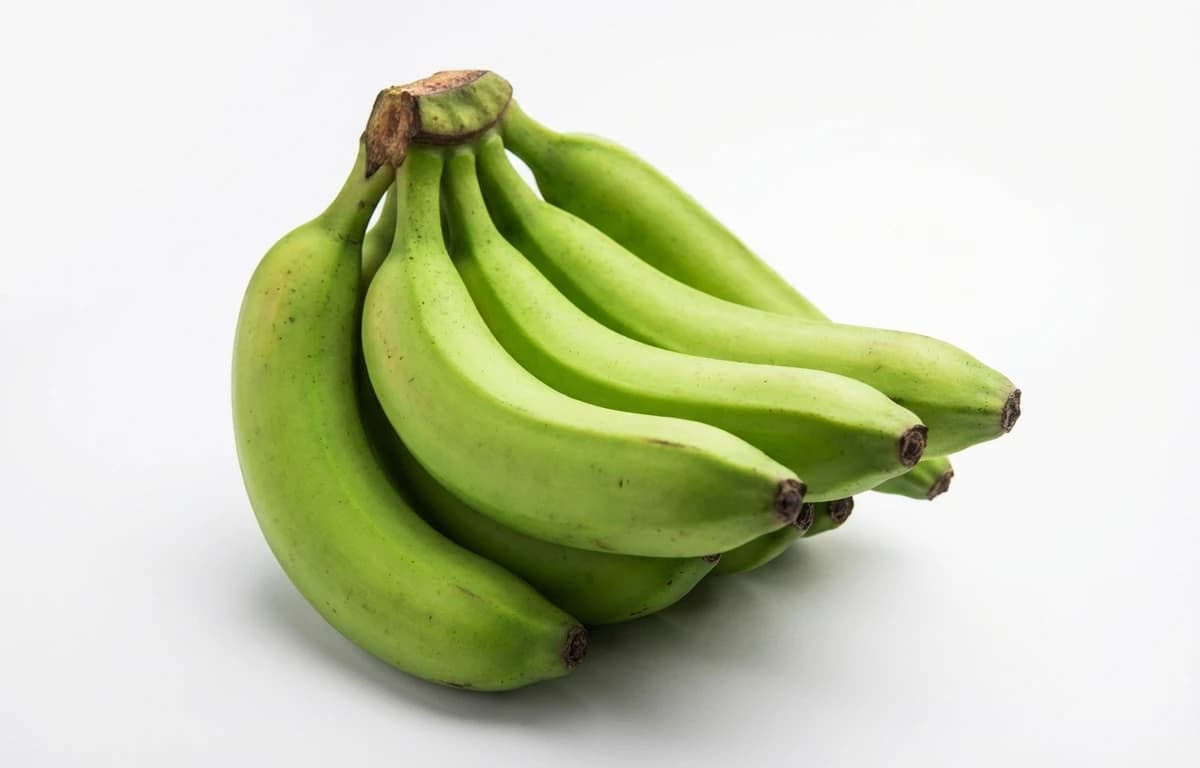
kacche kele
Also known as:
Loading...
Also known as:
Per 100g
Nutrition data source: USDA FoodData Central
Yes, kacche kele (raw banana) is very healthy. It's rich in resistant starch, which supports gut health, and an excellent source of potassium for heart function. It also provides dietary fiber for digestion and satiety, along with essential vitamins like B6 and C.
Kacche kele is notable for its high resistant starch content, which acts as a prebiotic, feeding beneficial gut bacteria. It's also packed with potassium, vital for blood pressure regulation, and dietary fiber, which aids digestion and promotes fullness. Additionally, it provides Vitamin B6 for metabolism and Vitamin C for immune support.
Per 100g, kacche kele contains approximately 89 calories and 22.8g of carbohydrates. It also provides 1.1g of protein and 0.3g of fat, making it a low-fat, moderate-calorie, and carb-rich vegetable.
Yes, kacche kele can be beneficial for weight loss due to its high fiber and resistant starch content. Fiber promotes satiety, helping you feel full longer and reducing overall calorie intake. The resistant starch also contributes to better gut health, which can indirectly support weight management.
Kacche kele can be a good option for diabetics in moderation. Its high resistant starch content means it has a lower glycemic index compared to ripe bananas, leading to a slower rise in blood sugar. However, portion control is still important due to its carbohydrate content.
Yes, kacche kele is naturally gluten-free, making it suitable for individuals with celiac disease or gluten sensitivity. As a plant-based vegetable, it is also inherently vegan.
kacche kele is a versatile ingredient found in cuisines around the world. With 89 calories per 100g and 1.1 grams of protein, it's a nutritious addition to many dishes.
Explore more ingredients in the vegetable category with complete nutrition information.
View all vegetable →Discover 0 recipes featuring kacche kele with step-by-step instructions.
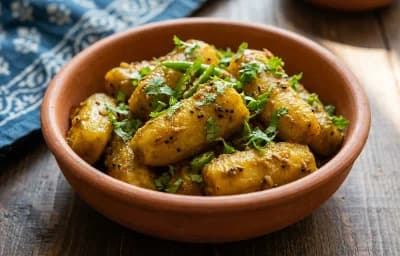
Browse recipes →Kacche kele must be cooked before consumption. Common methods include boiling, steaming, frying, or baking. It's often used in curries, stir-fries, chips, or mashed as a vegetable side dish. The skin is typically peeled before cooking, though some recipes might call for cooking with the skin on.
When cooked, kacche kele has a mild, slightly starchy, and earthy flavor, less sweet than ripe bananas. Its texture is firm and dense, similar to a potato, and it can become creamy when mashed or soft when boiled.
Store raw, unripe kacche kele at room temperature, away from direct sunlight, where they can last for several days. To slow down ripening, you can store them in a cool, dark place. Once cooked, store any leftovers in an airtight container in the refrigerator for 2-3 days.
No, kacche kele should not be eaten raw. Raw bananas are very starchy, firm, and have a bitter, astringent taste due to high tannin content, making them unpalatable and difficult to digest. They must be cooked to be edible and to unlock their nutritional benefits.