
Other2 recipes
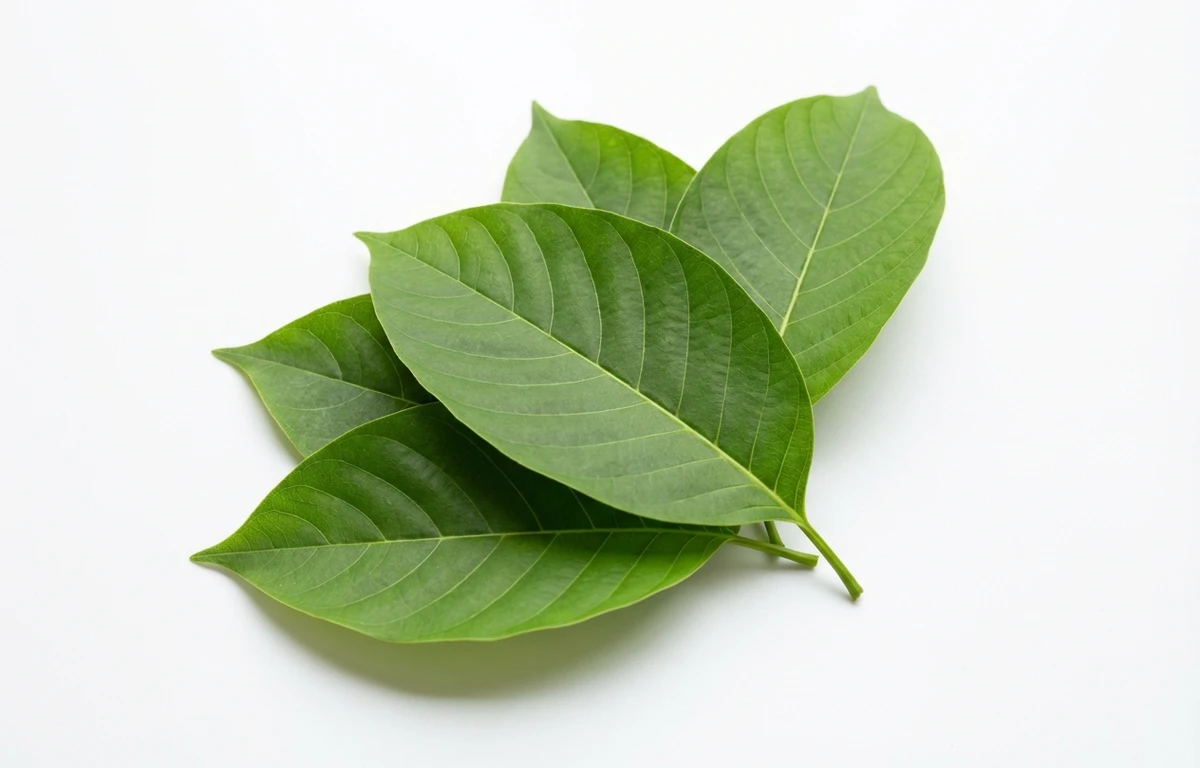
kadam leaves.
VegetarianVeganGluten-freeDairy-freeNut-freePeanut-freeSoy-freeEgg-freeShellfish-freeHoney-freeAlcohol-freeHalalKosher
ALSO KNOWN AS
kadam saag
SERVING
CALORIES
25
PROTEIN
2.0g
CARBS
4.0g
FAT
0.30g
FIBER
2.0g
This ingredient is flagged as naturally gluten-free.
NUTRITION PROFILE · per 100 g
Everything in this ingredient.
MACRONUTRIENTS
Calories25kcal—
Protein2.0g4%
Carbohydrates4.0g1%
Fiber2.0g7%
Sugar0.50g1%
Total fat0.30g0%
Saturated fat0.10g1%
Cholesterol0mg0%
Water88g—
MINERALS
Sodium10mg0%
Potassium300mg6%
Calcium100mg8%
Iron3.0mg17%
Magnesium40mg10%
Phosphorus50mg4%
Zinc0.50mg5%
VITAMINS
Vitamin A200µg22%
Vitamin C20mg22%
Vitamin D0µg0%
Thiamin (B1)0.08mg7%
Riboflavin (B2)0.15mg12%
Niacin (B3)0.60mg4%
Vitamin B60.12mg7%
%DV based on a 2,000 cal diet. Source: USDA FoodData Central. A dash in the %DV column means there’s no established Daily Value for that nutrient.
MEASUREMENT CONVERSIONS
How much is what.
1 cup40g
1 tablespoon2.5g
1 teaspoon0.8g
1 ml0.2g
1 liter166.7g
HEALTH BENEFITS
Why eat it.
- ✓Exhibits antimicrobial and antifungal activity, helping to combat certain infections.
- ✓May have antidiabetic potential, as some studies suggest leaf extracts can help lower blood glucose levels.
- ✓Traditionally used as a poultice for wound healing due to its antiseptic qualities.
COOKING TIPS
In the kitchen.
- 1Prepare a medicinal tea (decoction) by boiling fresh or dried leaves in water. The taste can be bitter, so it may be sweetened with honey.
- 2Create a paste by grinding fresh leaves with a little water for traditional topical applications on skin ailments.
- 3Can be cooked as a leafy green vegetable (saag) in curries or stir-fries, often blanched first to reduce bitterness.
STORAGE
Keep it fresh.
- Store fresh leaves wrapped in a damp paper towel inside a plastic bag in the refrigerator for up to one week.
- For long-term storage, dry the leaves completely in a cool, dark place, then store in an airtight container for several months.
FAQ
Frequently asked questions.
Are kadam leaves vegan and gluten-free?
Yes, as a plant-based leafy green, kadam leaves are naturally vegan and gluten-free. This makes them suitable for individuals following these specific dietary restrictions.
How do you cook kadam leaves?
Kadam leaves can be prepared similarly to other leafy greens. They can be blanched, sautéed, or added to curries, soups, and stews. Traditional preparations often involve cooking them to reduce any potential bitterness and enhance palatability.
How should I store fresh kadam leaves?
To keep kadam leaves fresh, store them in the refrigerator. Wrap them loosely in a damp paper towel and place them in a perforated plastic bag or an airtight container in the crisper drawer. They typically last for 3-5 days.
Can kadam leaves be eaten raw?
While some leafy greens are eaten raw, kadam leaves are traditionally cooked. Cooking can help reduce any potential bitterness and may improve the digestibility and bioavailability of certain nutrients. It's generally recommended to cook them.
RECIPES
Cook with kadam leaves.
2 recipes · sorted by what’s quick



















