kaddoo
Also known as:
Loading...
Also known as:
Per 100g
Nutrition data source: USDA FoodData Central
Yes, kaddoo is very healthy. It's low in calories and fat, while being rich in essential nutrients like Vitamin A (from beta-carotene), dietary fiber, and potassium. Its antioxidant content also contributes to overall well-being.
Kaddoo is an excellent source of Vitamin A, crucial for vision and immune health. It also provides antioxidants like alpha-carotene and beta-cryptoxanthin, which protect cells from damage. Additionally, it offers dietary fiber for digestion and potassium for heart function.
Yes, kaddoo can be beneficial for weight loss. With only 26 calories and 0.1g of fat per 100g, it's a low-calorie food. Its high fiber content also helps promote satiety, keeping you feeling full longer and potentially reducing overall calorie intake.
Yes, kaddoo is generally suitable for diabetics. Its high fiber content helps regulate blood sugar levels, and it has a relatively low glycemic index. However, portion control is always important, and it's best consumed as part of a balanced diet.
Yes, kaddoo is naturally gluten-free and vegan. As a whole vegetable, it contains no animal products or gluten-containing grains, making it suitable for individuals following these dietary restrictions.
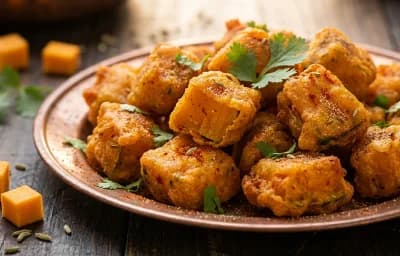
Kaddoo is very versatile and can be cooked in many ways. It can be roasted, boiled, steamed, stir-fried, or pureed into soups and curries. Common preparations include savory curries, sweet dishes, or simply roasted with spices.
Kaddoo has a mild, slightly sweet, and earthy flavor. Its texture becomes soft and creamy when cooked. The taste can vary slightly depending on the variety, but it generally absorbs flavors well from spices and other ingredients.
kaddoo is a versatile ingredient found in cuisines around the world. With 26 calories per 100g and 1 grams of protein, it's a nutritious addition to many dishes.
Explore more ingredients in the vegetable category with complete nutrition information.
View all vegetable →Whole, uncut kaddoo should be stored in a cool, dry, dark place, where it can last for several weeks to a few months. Once cut, wrap the pieces tightly in plastic wrap and store them in the refrigerator, where they will stay fresh for 3-5 days.
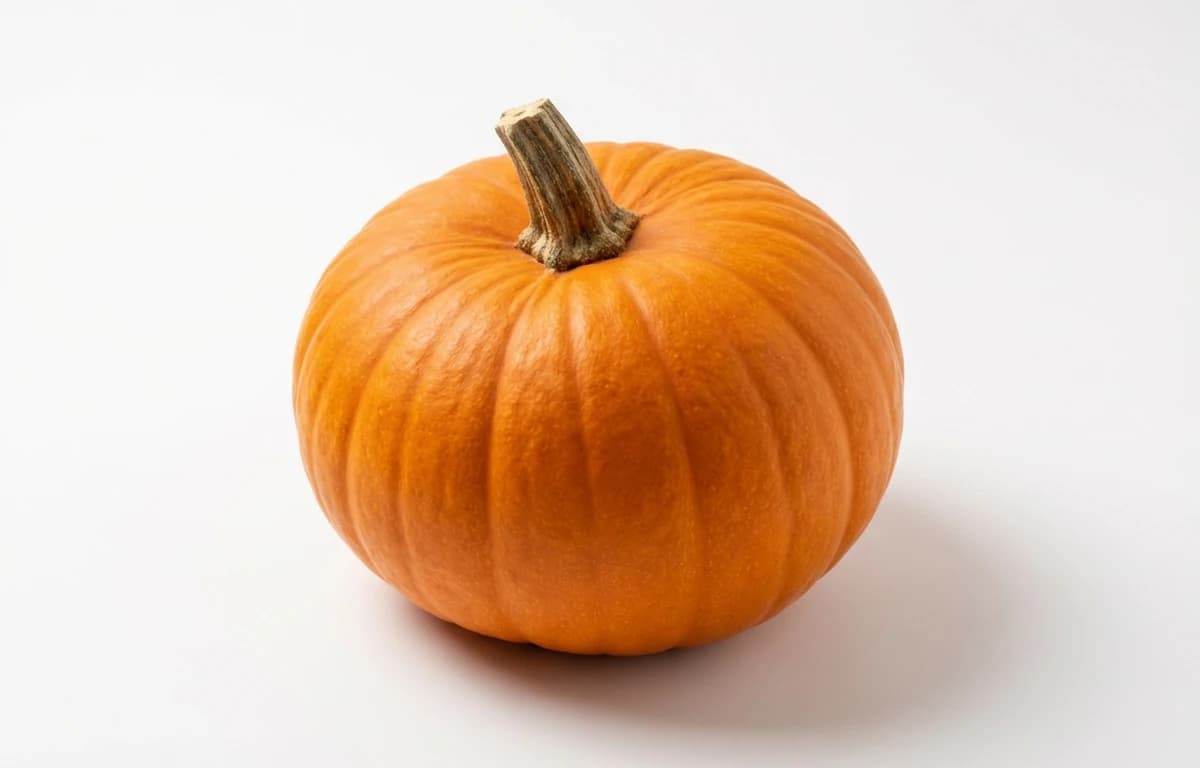
Look for kaddoo that feels heavy for its size and has firm, unblemished skin without any soft spots, cuts, or mold. A dull, matte finish is often a sign of ripeness, and the stem should be intact and firm.
The edibility of kaddoo skin depends on the variety and how it's prepared. For many softer-skinned varieties, especially when young, the skin is thin and can be eaten after cooking. For thicker-skinned varieties, it's often peeled, especially if roasting or pureeing, as it can be tough.